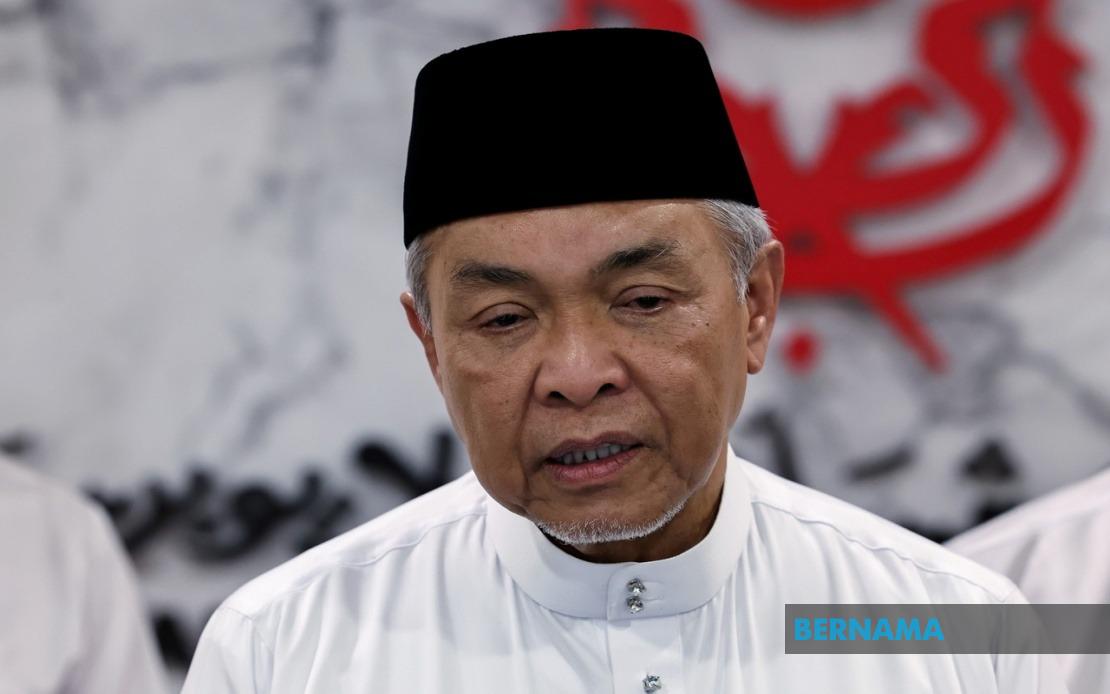
UMNO will formally engage with potential coalition partners for the upcoming Melaka state election once the state legislative assembly is dissolved, party president Datuk Seri Dr Ahmad Zahid Hamidi announced on Thursday. The Deputy Prime Minister confirmed that Chief Minister Datuk Seri Ab Rauf Yusoh will spearhead these crucial negotiations, marking a structured approach to the critical regional polls.
Ahmad Zahid's clarification distinguishes between the informal discussions already taking place and the formal negotiations that will only materialise following the assembly's dissolution. This procedural stance suggests UMNO is attempting to manage expectations whilst maintaining strategic flexibility in an increasingly complex political landscape where coalition configurations remain fluid across Malaysian states.
The timing of these discussions carries significance within the broader context of Malaysia's evolving political architecture. Melaka has become a bellwether for coalition dynamics, particularly following the 2022 elections that reshaped the state's political alignment. UMNO's position as a dominant force in the state necessitates careful deliberation over which partners align with both its strategic interests and grassroots expectations.
When asked directly about the possibility of cooperating with Perikatan Nasional, Ahmad Zahid neither confirmed nor ruled out the prospect, indicating that all options remain on the table pending formal discussions. This measured response reflects the delicate political calculations at play, as PN has positioned itself as an alternative coalition option across several Malaysian states, creating competitive pressure on traditional alliances.
Ahead of formal negotiations, UMNO has been conducting intensive internal preparations through its Melaka Political Bureau. Ahmad Zahid noted that the party's leadership had reviewed comprehensive data compiled by UMNO Melaka's war room, which assessed the party's electoral prospects and strategic positioning. This information subsequently formed the basis of detailed deliberations within the UMNO Supreme Council.
The deployment of data-driven analysis and war room operations reflects UMNO's recognition that state elections demand granular political intelligence. By leveraging sophisticated organisational machinery to evaluate candidate viability, constituency-level dynamics, and voter sentiment, UMNO appears intent on maximising its electoral performance whilst maintaining party unity during coalition negotiations.
The distinction between informal and formal talks also carries procedural importance within Malaysian electoral law. State assembly dissolutions typically trigger official campaign periods and regulatory frameworks governing political activity. By confining formal negotiations to the post-dissolution phase, UMNO may be ensuring compliance with electoral guidelines whilst avoiding the appearance of premature horse-trading that could alienate voters or internal party factions.
For Malaysian observers, UMNO's approach illuminates the complexity of managing coalition politics at the state level. Unlike federal arrangements where coalition mathematics involve numerous parties and shifting parliamentary arithmetic, state elections present more binary configurations between competing blocs. Melaka's strategic importance—both economically and symbolically for UMNO's Malay-Muslim base—ensures that coalition decisions will have ramifications extending beyond the state's boundaries.
The involvement of Chief Minister Ab Rauf Yusoh in leading negotiations underscores UMNO's confidence in his political acumen and legitimacy as state administrator. As the primary executive responsible for Melaka's governance, his role as chief negotiator potentially strengthens UMNO's bargaining position whilst ensuring that coalition arrangements reflect the ground realities and administrative challenges of running the state government.
Regional observers note that UMNO's careful calibration of its coalition strategy reflects lessons learned from recent Malaysian electoral experiences. The party has witnessed how premature or poorly managed alliance arrangements can fracture voter coalitions, embolden rivals, and create internal dissension. By maintaining formal discipline around negotiation timelines, UMNO signals organisational maturity whilst preserving strategic optionality until formal discussions commence.
The upcoming Melaka election will serve as a critical test of UMNO's organisational resilience and coalition-building capabilities in an era of volatile electoral politics. The party's performance will likely influence coalition configurations in other states whilst affecting its leverage in national political equations. Ahmad Zahid's emphasis on data-driven preparation and structured negotiation protocols suggests UMNO is determined to secure a strong outcome rather than hastily enter alliances that might compromise long-term positioning.

