UMNO's top leadership will gather on August 28 to settle a pivotal question facing the party ahead of the Melaka state election: whether to chart its own course or forge alliances with rival coalitions. The meeting of the UMNO Supreme Council, chaired by party president Datuk Seri Dr Ahmad Zahid Hamidi, represents a critical juncture for Barisan Nasional's electoral prospects in the state, with the discussion expected to encompass the party's overall political direction alongside the tactical approach most likely to secure a decisive victory at the polls.
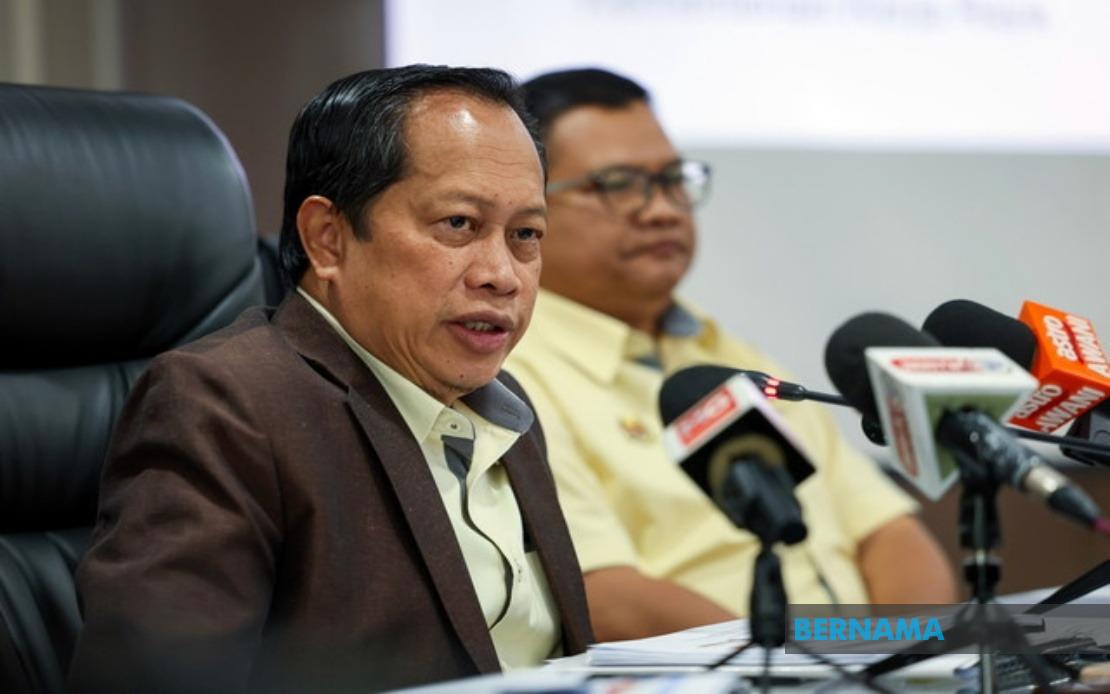
Datuk Seri Dr Ahmad Maslan, a senior UMNO Supreme Council member and Deputy Works Minister, clarified that no conclusive determination has yet been made regarding the party's stance, despite weeks of speculation and public commentary. The vacuum in official direction has permitted considerable conjecture within party ranks and among observers, with various UMNO figures in Melaka—alongside commentators in the broader political sphere—advancing competing visions for potential cooperation. These discussions have centred on two distinct scenarios: a coalition between Barisan Nasional and Pakatan Harapan, or alternatively, an arrangement bridging Barisan Nasional and Perikatan Nasional.
The timing of this deliberation carries particular weight, as the current Melaka state administration's mandate approaches expiration on December 31. This deadline creates an urgent imperative for UMNO and its coalition partners to crystallise their electoral strategy, ensuring sufficient preparation time for campaign mobilisation and candidate selection. The compressed timeline distinguishes Melaka's political calendar from typical state electoral cycles, lending additional pressure to the August 28 decision-making process.
Melaka's current political configuration reflects the complex bargaining that has characterised Malaysian governance in recent years. Barisan Nasional secured 21 of the state assembly's 28 seats during the fifteenth state election, establishing a commanding parliamentary position. Pakatan Harapan captured five seats, while Perikatan Nasional managed two, a distribution that ostensibly suggested clear-cut factional lines. However, the actual composition of the state executive council reveals deeper integration, with Pakatan Harapan assemblymen appointed to the cabinet structure despite their minority standing. This arrangement mirrors the federal-level Unity Government configuration, where UMNO and Barisan Nasional share executive responsibility with Pakatan Harapan despite leading different coalition brands.
Dr Ahmad Maslan's public statements emphasise the party's commitment to collective discipline regarding whatever resolution emerges from the Supreme Council deliberations. He urged all UMNO members and associated figures to respect and adhere to the central leadership's decision, signalling that internal dissent or independent action by state-level politicians would be unwelcome. This messaging reflects institutional concerns about fragmentation, particularly given the competitive pressures from Perikatan Nasional, which has demonstrated capacity to mobilise grassroots support in Peninsular Malaysia.
The Deputy Works Minister also articulated a principle that appears central to UMNO's strategic thinking: the notion that political configurations should remain adaptable according to each state's particular circumstances and electoral dynamics. This flexibility framework suggests that Melaka's specific situational factors—demographic composition, historical voting patterns, local sentiment, and existing institutional arrangements—will substantially influence the party's ultimate choice. Rather than applying a uniform coalition template across all state contests, UMNO leadership appears inclined toward contextualised decision-making that weighs localized considerations alongside broader party interests.
The prospective alliance options carry markedly different implications for Malaysian politics. A Barisan Nasional-Pakatan Harapan arrangement would extend and deepen the Unity Government framework that has governed federal affairs since late 2022, essentially replicating at state level the power-sharing model adopted nationally. Conversely, a Barisan Nasional-Perikatan Nasional configuration would represent a dramatic political realignment, potentially signalling fractures in the federal government coalition or deliberate UMNO strategy to hedge institutional bets by maintaining relationships across multiple political blocs.
For Malaysian observers and regional analysts, the Melaka election outcome carries significance beyond the state itself. Melaka has historically functioned as a political bellwether, with electoral results often presaging broader shifts in voter sentiment. The state's geographic position along the western economic corridor and its mixed demographic profile—encompassing urban centres, industrial zones, and traditional constituencies—render its voting patterns particularly indicative of peninsular trends. A decisive victory by any coalition would provide momentum heading into potential federal elections, while a narrower outcome might encourage rethinking of existing political structures.
The international dimension merits consideration as well. Malaysia's political stability and coalition governance models attract regional attention, particularly from neighbouring states contemplating power-sharing arrangements of their own. How UMNO and its potential partners manage the Melaka election—whether through consensus, compromise, or organisational tension—could offer instructive lessons for other Southeast Asian democracies navigating similar coalition complexities.
Beyond the immediate question of electoral coalition, the August 28 Supreme Council meeting will likely assess organisational readiness and candidate quality. UMNO's capacity to field competitive candidates across Melaka's 28 state assembly constituencies will substantially determine election outcomes regardless of coalition configuration. The party has faced recurring challenges in candidate selection, with concerns about both competence and perceptions of patronage potentially undermining electoral appeal among critical voter demographics, particularly younger and urban-oriented electorates.
The coming weeks will reveal whether UMNO's leadership achieves consensus on the Melaka political direction or whether internal divisions persist into public view. The Supreme Council meeting represents a formal decision point, yet implementation and subsequent political dynamics may prove more complex. State-level UMNO figures, particularly those with deep constituency roots and personal electoral interests, might navigate central decisions with varying degrees of enthusiasm depending on how closely the adopted strategy aligns with their individual calculations.

