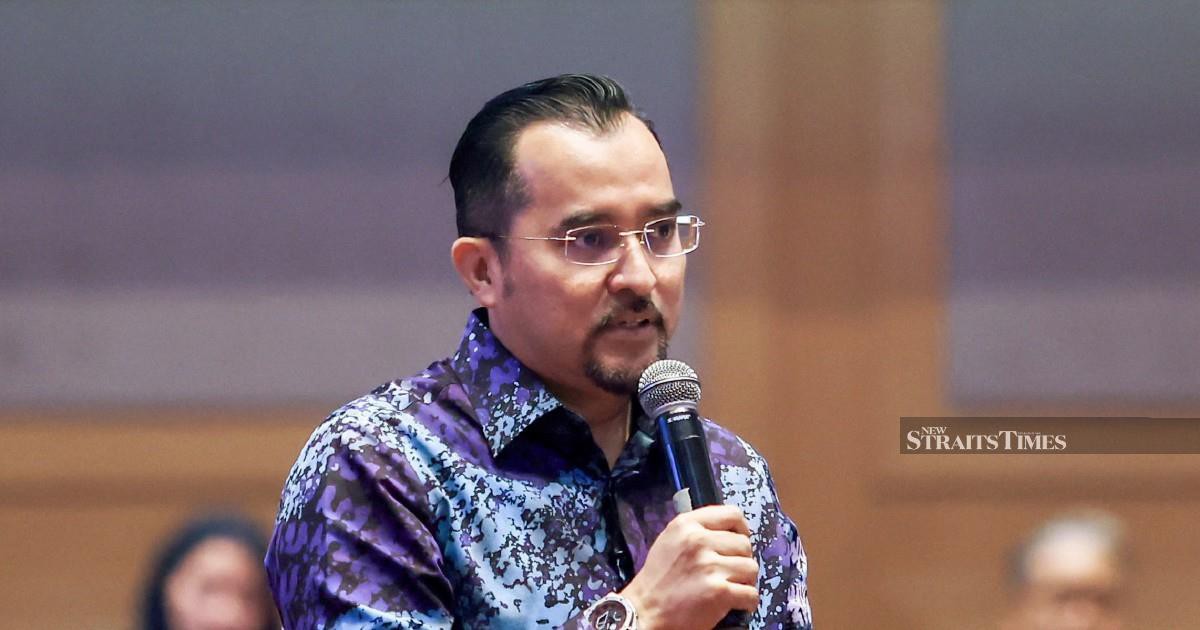
Umno secretary-general Datuk Dr Asyraf Wajdi Dusuki has firmly rejected claims that the party is staging a coordinated effort to shield those responsible for financial misconduct at Lembaga Tabung Haji (TH), Malaysia's principal Islamic pilgrimage financing institution. The denial comes amid mounting scrutiny of the embattled fund manager, which oversees savings from millions of Malaysian Muslims preparing for the hajj pilgrimage to Mecca.
The TH scandal represents one of the most significant governance failures in Malaysia's Islamic financial sector in recent years. The institution, which manages accumulated deposits from pilgrims across the country, has faced persistent questions regarding operational transparency and financial irregularities that have allegedly caused substantial losses to contributors. These concerns have rippled through Malaysian political circles, creating pressure for comprehensive accountability and meaningful reforms within the organisation.
The allegation that Umno might be coordinating a defensive strategy to protect party-linked individuals underscores deeper anxieties about political interference in institutional investigations. Malaysia's governance landscape has repeatedly grappled with concerns about political patronage networks affecting the course of official inquiries, particularly when prominent figures from ruling coalitions face potential scrutiny. The TH case has become emblematic of these broader tensions between party politics and institutional independence.
Dusuki's categorical rejection suggests that Umno is attempting to distance itself from any perception of obstructing accountability mechanisms. By publicly disavowing involvement in a coordinated cover-up narrative, the party appears intent on signalling its commitment to institutional integrity—a crucial consideration given Umno's dominant position within Malaysia's political establishment. However, such denials rarely fully extinguish public suspicion when powerful institutions remain under investigation for substantial financial mismanagement.
The controversy highlights the complexities facing Malaysia's financial oversight framework. TH operates at the intersection of religious, financial, and political interests, making governance particularly delicate. The institution manages contributions from millions of Malaysian Muslims with significant life savings invested in hajj preparations, rendering any institutional failures deeply consequential for ordinary citizens rather than abstract policy matters. This direct impact on everyday Malaysians elevates public concern considerably.
For Southeast Asian observers monitoring institutional governance standards across the region, the TH situation offers instructive lessons about the challenges facing Islamic financial institutions operating within politically complex environments. Malaysia's experience demonstrates how governance frameworks can face pressure when political considerations intersect with financial accountability. Similar tensions exist across the region's Islamic banking and finance sector, where institutional independence remains an ongoing challenge.
The political economy surrounding TH extends beyond simple financial impropriety. The institution represents a significant wealth management vehicle for Muslim communities, creating multiple stakeholder interests beyond traditional shareholders. Governance failures thus carry implications for religious institutional confidence, financial sector credibility, and political legitimacy simultaneously. Any perception of political protection for wrongdoers can undermine faith across multiple domains simultaneously.
Umno's defensive posture also reflects broader political calculations within Malaysia's coalition dynamics. The party operates within the broader Malaysian government structure, and institutional scandals affecting significant Muslim-oriented organisations carry implications for the ruling coalition's standing with important voter constituencies. Demonstrating commitment to accountability becomes strategically important for maintaining political capital, particularly among devout Muslim voters who might view institutional failure as especially significant from a religious perspective.
Regulatory authorities investigating TH face implicit pressure to demonstrate independence while navigating the political sensitivities surrounding the institution. Malaysian oversight bodies must balance thorough investigation with awareness of political realities, a tension that inevitably generates public speculation about whether inquiries receive adequate resources and authority to pursue findings wherever evidence leads. Public confidence in investigation outcomes requires visible demonstration of institutional autonomy from political influence.
The broader context of Malaysia's governance reform agenda adds significance to the TH controversy. Recent years have witnessed Malaysian society increasingly demanding institutional accountability, improved transparency standards, and meaningful consequences for financial misconduct. The TH case has become a test of whether these expectations for institutional reform can be sustained when politically prominent figures potentially face exposure. Public perception of how authorities handle this matter will influence societal confidence in governance mechanisms more broadly.
Moving forward, resolving public concerns about potential political interference requires more than verbal denials from party officials. Transparent processes, publicly observable investigation procedures, and consistent accountability mechanisms will determine whether the narrative of institutional shield-building can be overcome. Malaysian authorities will need to demonstrate through substantive actions rather than statements that genuine independence guides their examination of TH's operational and financial matters, regardless of which political figures or party-linked individuals might face scrutiny during investigations.

