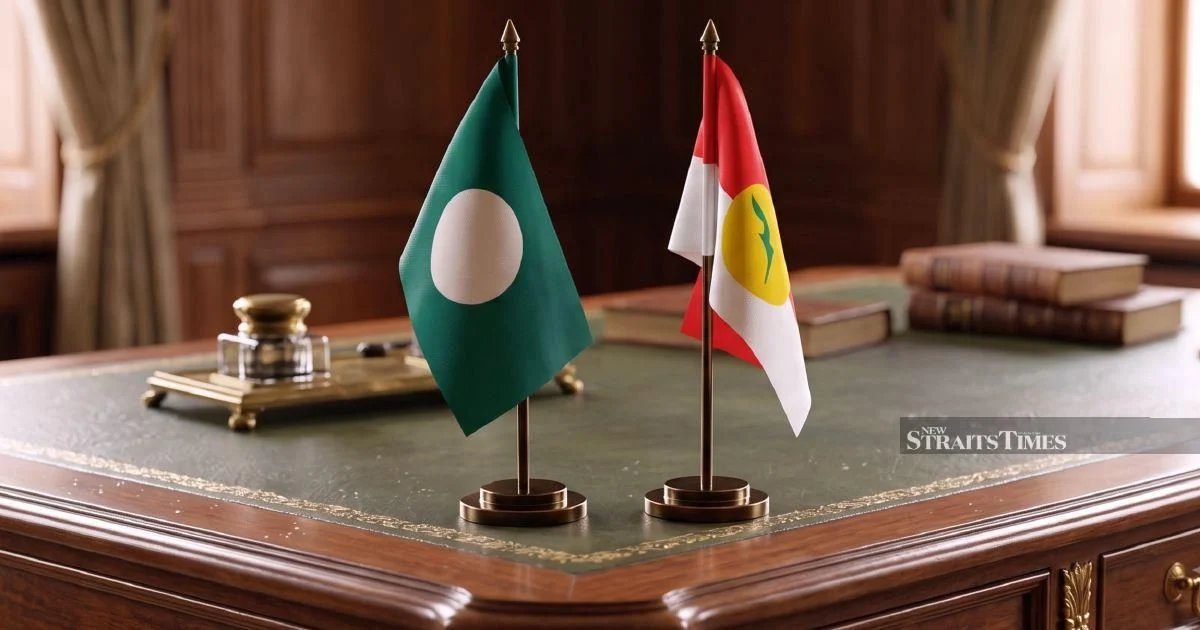
Barisan Nasional's commanding performance in the recent Johor state election has prompted speculation about deeper political realignments among Malaysia's major Malay-Muslim parties, yet political analysts remain sceptical that Umno and Pas will move towards an official merger in the immediate term, particularly ahead of the forthcoming Negri Sembilan legislative elections.
The sweeping victory in Johor, where Barisan Nasional candidates secured dominance across multiple constituencies, has raised questions about whether this success might catalyse a formal structural union between Umno, the coalition's traditional anchor, and Pas, the Islamist party that has sat in varying degrees of partnership with the ruling structure. Observers suggest, however, that the electoral triumph—though significant—has not fundamentally altered the underlying political calculations that have kept the two parties in a complex dance of cooperation without institutional merger.
Analysts point to the distinct organizational identities and differing ideological positions of Umno and Pas as persistent barriers to a complete formalization of their relationship. While both parties have drawn support from overlapping voter bases and share common ground on matters pertaining to Islam and bumiputera rights, their respective party structures, leadership hierarchies, and long-standing internal constituencies create practical complications that extend beyond simple electoral convenience. A formal alliance would require resolving questions of internal governance, seat allocation mechanisms, and broader policy coherence that parties have managed to navigate through looser cooperative arrangements.
The Negri Sembilan context adds particular complexity to this question. The state election represents a crucial test case where either party's individual electoral strength, or their capacity to operate without formal institutional merger, might be assessed by both internal party critics and external observers. Analysts suggest that proceeding with existing informal coordination structures allows both Umno and Pas to claim independent legitimacy with their respective grassroots supporters whilst simultaneously benefiting from coordinated campaign strategies and voter mobilization efforts.
Furthermore, Malaysian political precedent suggests that formal alliances at state level often precede—rather than follow—national-level mergers. The absence of a consolidated Umno-Pas framework at the federal government level, despite shared parliamentary space within broader coalitions, indicates that significant structural obstacles remain unresolved. National-level negotiations would necessarily precede any state-specific formal arrangement, creating a sequencing problem that both parties appear reluctant to initiate in the current political environment.
The Johor result, whilst validating Barisan Nasional's broad appeal and demonstrating continued voter confidence in the coalition framework, paradoxically may reduce rather than increase pressure for institutional consolidation. When electoral objectives are being achieved through existing mechanisms, the urgency driving parties toward closer structural integration diminishes. Both Umno and Pas can present the Johor outcome as evidence that their current cooperative model functions effectively, thereby reducing incentives for either party to compromise organizational autonomy through formalization.
Intra-party dynamics within both organizations further complicate prospects for formal merger. Umno's historical dominance of federal politics, established administrative machinery, and entrenched leadership structures sit uneasily alongside Pas's distinct organizational culture and theological positioning. Merging these institutional frameworks would inevitably generate internal opposition from constituencies within each party who value organizational independence or who harbour historical antagonisms rooted in decades of political competition. Leadership figures in both parties must navigate these internal sensitivities whilst responding to external political circumstances.
The timing of the Negri Sembilan election itself militates against rapid formalization of alliance structures. Electoral management requires clarity regarding candidacy, campaign messaging, and resource allocation—objectives better served by existing informal coordination mechanisms that allow flexibility and pragmatic problem-solving than by rigid formal structures still being negotiated. Both parties can respond dynamically to local conditions without becoming constrained by freshly established constitutional arrangements.
Regionally, Malaysia's political development reflects broader Southeast Asian patterns where Islamist and secular-nationalist parties frequently cooperate at electoral and parliamentary levels whilst maintaining organizational distinction. This model has proven resilient across multiple election cycles and different governance contexts, suggesting that it addresses genuine political needs within Malaysian society that formal merger might actually undermine rather than resolve.
Analysts conclude that whilst Umno and Pas will almost certainly continue coordinating campaign activities, resource-sharing, and parliamentary strategies for the Negri Sembilan election, the institutional architecture linking these efforts will remain intentionally informal. Such arrangements provide sufficient coordination benefits whilst preserving the distinct identities and internal autonomy that both parties' leaderships and support bases continue to value. The Johor success, paradoxically, likely reduces rather than increases the probability of formal institutional merger in the foreseeable future.

