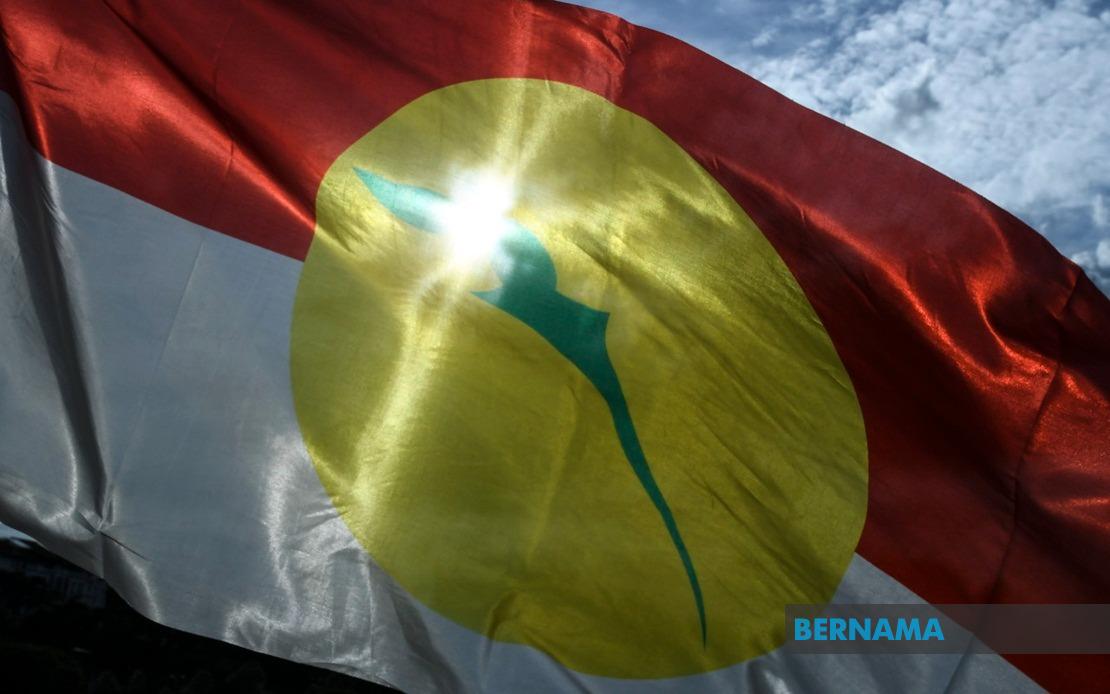
The leadership of UMNO has issued a forceful call for internal cohesion as the party prepares for the 16th Johor state election, with Information Chief Datuk Seri Azalina Othman Said emphasising that party members must subordinate individual grievances to the broader struggle and principles of the organisation. Speaking in Johor Bahru on June 25, Azalina addressed growing discontent within UMNO ranks stemming from the candidate nomination process, a stage that routinely generates tension within any major political party as hopefuls discover whether they have secured positions on the ballot.
The selection of candidates represents one of the most consequential moments in any electoral cycle, determining which aspiring politicians will contest seats and which will be sidelined. For those passed over, the disappointment can be acute, and Azalina acknowledged this reality directly. She recognised that differences of opinion exist within the party and that criticism and dissatisfaction are natural responses to selection decisions. However, she insisted that once the formal party machinery has rendered its verdict, members have an obligation grounded in organisational discipline to accept the outcome and work collectively toward electoral success.
Azalina's message carries particular weight because it addresses a perennial challenge facing major political parties across Malaysia and the broader region: maintaining cohesion when internal processes produce losers alongside winners. The tension between allowing genuine debate and enforcing loyalty once decisions are made sits at the heart of party management, and how organisations navigate this balance often determines their electoral fortunes. Azalina framed party discipline not as authoritarian suppression but as a mark of maturity, suggesting that true strength lies in the ability to disagree constructively and then unite behind decisions.
The backdrop to these remarks includes the high-profile resignation of UMNO Supreme Council member Datuk Dr Mohd Puad Zarkashi, who departed the party on the grounds that he wished to express his views freely without constraint. According to UMNO Secretary-General Datuk Dr Asyraf Wajdi Dusuki, Mohd Puad's exit was motivated by dissatisfaction over the non-selection of his son as a candidate for the Rengit state seat. This episode exemplifies the precise dynamic Azalina addressed, where personal investment in a specific outcome clashes with party decisions and produces visible ruptures in the organisation's ranks.
Azalina took the opportunity to praise Johor UMNO Liaison Committee chairman Datuk Onn Hafiz Ghazi and his selection committee, crediting them with navigating an inherently difficult process with composure, discipline, and political courage. The selection of candidates inevitably creates winners and losers, and those tasked with making these determinations face pressure from multiple factions and individuals seeking advantage. Azalina's public endorsement of Onn Hafiz serves to legitimise the process and signal that the leadership stands united behind the decisions made, sending a message to dissatisfied members that further complaints are unlikely to yield reconsideration.
The party's bench strength represents another argument Azalina deployed to encourage acceptance of candidate choices. She pointed out that UMNO maintains a continuous pipeline of emerging leaders, talented younger figures, and fresh faces preparing to serve the organisation, suggesting that those not selected in this election cycle need not despair, as opportunities will emerge in subsequent contests. This framing attempts to broaden perspectives beyond the immediate Johor polls and position a missed candidacy as a temporary setback rather than a terminal career blow within the party structure.
From a broader strategic perspective, UMNO faces significant incentives to present a unified front in the Johor election. The state represents an electoral heartland for UMNO, and any visible fracturing of party discipline or morale could provide openings for rival coalitions to exploit. The Pakatan Harapan opposition and other competing political forces will be watching for signs of internal UMNO weakness, and public resignations or vocal dissent from senior figures sends potentially damaging signals about the party's cohesion and leadership legitimacy. In this context, Azalina's appeal to discipline can be read as a defensive move aimed at preventing internal discord from metastasising into broader organisational instability.
The Election Commission's timeline compounds the urgency of these appeals. With nominations scheduled for June 27 and polling day set for July 11, UMNO has mere days to consolidate its ranks and mobilise campaigning efforts. This compressed schedule leaves little room for extended internal wrangling, and party leaders have a vested interest in moving past the candidate selection phase quickly and presenting voters with a clear, unified message. The quicker dissent can be contained and members rallied around the chosen candidates, the more effectively UMNO can focus organisational energy on contesting seats against opposition challengers.
For Malaysian voters and observers, the internal dynamics playing out within UMNO carry broader implications for how political parties in Malaysia manage democracy and internal governance. The tension between openness to internal debate and the need for eventual unity reflects challenges that extend beyond UMNO to the broader Malaysian political ecosystem. How parties resolve this tension—whether through coercion, persuasion, or inclusive processes that genuinely address grievances—speaks to the quality of democratic practice within these organisations and, by extension, the health of Malaysian democracy itself.
The Johor election will serve as a litmus test of whether Azalina's appeals to discipline have succeeded in keeping dissatisfied party members engaged and motivated. Should UMNO candidates underperform or voter turnout among traditional party supporters decline, it may suggest that the candidate selection process left deeper wounds than leadership statements acknowledge. Conversely, strong UMNO electoral performance would validate the party's approach and reinforce the message that unity and discipline are prerequisites for success. The coming weeks will reveal whether internal unity can be maintained or whether further defections and public expressions of discontent will undermine the party's ability to contest the election effectively.

