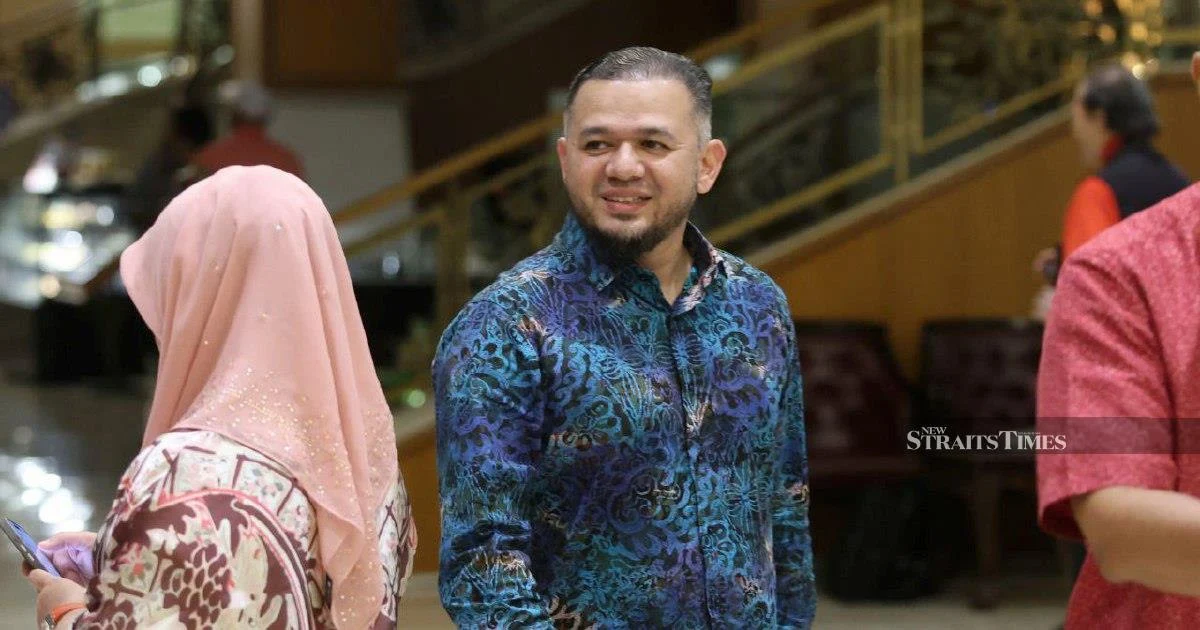
The High Court in Kuala Lumpur has handed down a significant financial ruling against Kangar Umno division chief Datuk Dr Fathul Bari Mat Jahya and two other former company directors, requiring them to repay RM492,480 to a haj and umrah service provider after rejecting their application to stay the execution of the court's judgment.
The three individuals, acting in their capacity as former directors of the company involved, had sought a stay of execution to delay implementing the court's financial obligation. However, the High Court determined that their application lacked sufficient legal merit, effectively closing off this avenue of appeal and paving the way for immediate enforcement of the repayment order.
The case centres on a financial dispute with a haj and umrah services provider—a business sector that plays an important role in Malaysia's religious tourism and hospitality economy. These service providers facilitate pilgrimages to Mecca and religious tours to holy sites, serving thousands of Malaysian Muslims annually. The specific nature of the financial disagreement that led to the judgment remains rooted in the defendants' responsibilities as company directors during their tenure.
For Malaysian readers following political developments, this ruling carries implications beyond the immediate financial matter. It underscores that political office and prominence within party structures do not exempt individuals from their civil and financial obligations as company directors. The decision reflects judicial consistency in holding corporate decision-makers accountable, regardless of their status within political parties or government structures.
The dismissal of the stay application represents a critical juncture in the litigation process. A stay of execution, had it been granted, would have temporarily halted the enforcement of the judgment, allowing the defendants time to pursue further appeals or negotiate settlement terms. The High Court's rejection suggests that the judges found no compelling grounds—whether legal, procedural, or factual—to justify such a delay.
This development also illustrates the broader landscape of corporate accountability in Malaysia, where directors and company leadership face legal consequences for financial mismanagement or breach of contractual obligations. The ruling reinforces established principles of company law whereby directors bear fiduciary responsibilities to other parties, including service providers and contractors with whom their company engages in business.
The RM492,480 figure represents a substantial sum that the defendants must now recover from their personal or business resources. For those involved in corporate or business circles in Malaysia, such rulings serve as reminders of the financial risks associated with directorship and the importance of maintaining meticulous records and fulfilling contractual commitments on behalf of companies.
From a procedural standpoint, the dismissal of the stay application likely exhausts the defendants' immediate legal remedies at the High Court level. They may still pursue further appeals to higher courts, though the High Court's firm rejection of the stay suggests that judicial sentiment is against their position. The path forward would involve either compliance with the repayment order or pursuing appeals through the appellate courts, each option carrying different timelines and financial implications.
In the Malaysian corporate and legal context, cases like these contribute to the body of jurisprudence governing director liability and corporate obligations. They establish precedent for how courts view attempts to delay judgment execution and reinforce the principle that financial obligations stemming from corporate mismanagement cannot be indefinitely postponed through procedural tactics.
The involvement of Umno's Kangar division and one of its leaders in this dispute may also attract attention from the broader political community, particularly regarding standards of financial conduct expected of party officials and their involvement in business ventures. Political parties in Malaysia have increasingly faced scrutiny regarding the financial dealings of their members, making cases like this relevant to ongoing discussions about governance and accountability within party structures.
For the haj and umrah service provider at the centre of the dispute, the court's decision represents vindication of their legal position and a clear pathway to recovering the outstanding amount. This sector, which depends on reliable financial relationships with corporate partners and clients, benefits from judicial rulings that enforce contractual obligations and punish financial breaches.
The three defendants now face the practical reality of executing the High Court's judgment. Whether they choose to settle immediately, pursue further appeals, or negotiate alternative arrangements remains to be seen. However, the dismissal of their stay application indicates that time is not on their side, and the courts have clearly signalled that delay tactics will not succeed.
This case serves as a cautionary tale for corporate directors across Malaysia, particularly those occupying prominent positions in business and political circles. It demonstrates that judicial processes will ultimately hold individuals accountable for their financial obligations, regardless of status, and that attempts to circumvent such accountability through procedural means will be viewed unfavourably by the courts.

