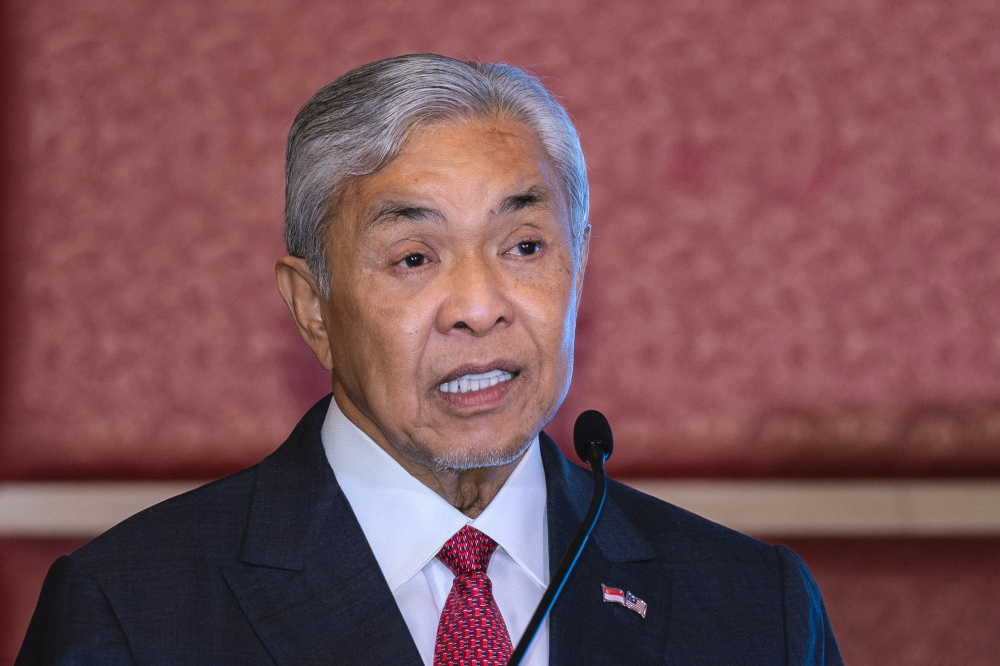
Umno president Datuk Seri Dr Ahmad Zahid Hamidi has moved to dispel speculation about a locked-in partnership with PAS in Negeri Sembilan, underscoring instead the fluid nature of Malaysian coalition politics. His statement comes amid mounting interest in how Umno and its Islamist ally will position themselves ahead of the state election, a contest that will test the durability of their broader political understanding at federal level.
Zahid's assertion that no formal arrangement exists between the two parties for Negeri Sembilan suggests a degree of strategic ambiguity that remains characteristic of Malaysian political negotiations. The Umno leader's emphasis that "goalposts can change anytime" signals awareness that electoral mathematics and ground realities in individual states may require flexibility in how coalitions are configured, even between parties nominally aligned in government.
The remarks assume significance because Umno and PAS have been joint architects of the ruling coalition at federal level since 2021, yet their partnership has never been entirely seamless. Tensions periodically surface over seat allocations, policy direction, and the degree to which either party exercises influence over governance priorities. In Negeri Sembilan specifically, where Umno traditionally holds stronger organisational roots and has dominated state politics, the question of how seats would be contested becomes particularly delicate.
Zahid's caution about shifting circumstances reflects the reality that Malaysian electoral politics rarely operates according to predetermined scripts. Seat negotiations between coalition partners frequently extend to the final hours before nomination day, with parties reassessing their own capacity to win particular constituencies based on new opinion data, candidate quality, and ground sentiment. The Umno chief's words effectively signal that any final formula for Negeri Sembilan will emerge only when circumstances crystallise more clearly.
The timing of Zahid's clarification is noteworthy, arriving during a period when both Umno and PAS have been consolidating control over different state administrations. Umno leads governments in several states, while PAS governs Kelantan, Terengganu, and has influence in Kedah. Each party naturally prioritises securing or strengthening its positions in states where it has electoral advantages, which can sometimes create competing interests within the federal coalition.
For Negeri Sembilan voters and political observers, Zahid's statement underscores that no seat-sharing arrangement should be considered irreversible. This uncertainty can cut both ways—it might encourage supporters of both parties to mobilise more actively to demonstrate their party's ground strength, or it could dampen enthusiasm among those who prefer clarity and stability in coalition arrangements. Regional analysts tracking Malaysian politics will note how this approach contrasts with other democracies where coalition agreements are typically formalised in advance.
The broader implications for federal coalition stability merit attention. If Umno and PAS find themselves in genuine disagreement over Negeri Sembilan's electoral strategy, it could signal broader strains within their working relationship. Conversely, if they ultimately cooperate effectively despite the current ambiguity, it would suggest their partnership has sufficient flexibility to accommodate state-level variations without destabilising the central government. Given Malaysia's track record of coalition politics, the latter outcome remains plausible but never certain.
Zahid's insistence that no formal pact exists also carries a domestic political message for Umno members. By maintaining optionality, the party leadership preserves space to make decisions that best serve Umno's interests rather than being bound by prior commitments. This approach resonates with traditional Umno thinking, where the party has historically prioritised its own growth and dominance over strict coalition discipline, particularly in states where it commands substantial support.
The Negeri Sembilan context matters because the state has been governed by Umno-led coalitions for decades, making it core territory for the party. Any diminution of Umno's presence there, whether through ceding seats to PAS or through electoral setbacks, carries symbolic weight beyond mere numerical representation. The state election therefore becomes not just a test of coalition cooperation but also a referendum on each party's legitimacy within the broader anti-opposition front.
Looking ahead, political observers in Malaysia and across Southeast Asia will watch how Umno and PAS reconcile their stated flexibility with the practical demands of mounting an effective campaign. The state election, whenever it occurs, will provide concrete evidence of how well they have negotiated their differences and whether Zahid's caveat about changing goalposts becomes a self-fulfilling prophecy. For now, his careful non-commitment reflects the perpetual dance between coalition partners in Malaysian politics, where yesterday's certainties routinely become tomorrow's negotiating points.

