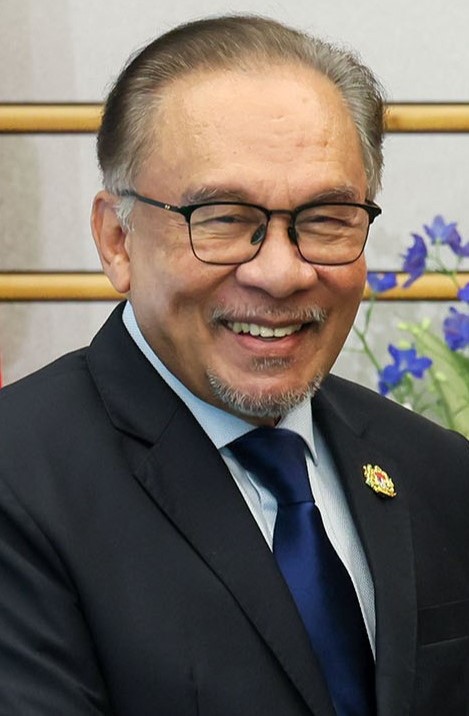
Johor Barisan Nasional has unveiled Umno executive secretary Datuk Mohd Sumali Reduan as its standard bearer for the Benut state seat, marking the longtime administrator's first foray into electoral politics. The nomination signals the coalition's confidence in Reduan's organisational credentials and his capacity to represent the rural constituency in the state assembly.
Sumali Reduan's appointment to contest Benut represents a significant career pivot for an official who has spent decades managing party machinery rather than seeking public office. His elevation reflects a broader pattern within Umno and the broader BN machinery, where administrative expertise and party loyalty increasingly translate into electoral candidacies. The move underscores the importance of technical competence in driving the coalition's electoral strategy across Johor's diverse constituencies.
Benut, located in the southern district of Johor, carries particular strategic significance for BN's overall performance in the state election. The constituency encompasses both urban and rural areas, requiring a candidate capable of bridging the interests of smallholder communities and emerging suburban populations. Reduan's appointment suggests BN intends to contest this seat aggressively, deploying a tested administrator who understands the mechanics of party organisation at the grassroots level.
The Johor state election has assumed heightened importance within Malaysia's broader political landscape, given the state's population size and economic contribution. As the nation's second-largest state by population and a significant economic hub, Johor's electoral outcomes often serve as a barometer for national political sentiment. BN's candidate selections, therefore, reflect calculations about which personalities and profiles can best defend the coalition's traditional strongholds while potentially expanding its appeal.
Umno's decision to field Reduan in Benut also reflects internal deliberations about generational renewal and the balance between veteran politicians and relative newcomers. Across many constituencies, BN faces pressure to revitalise its political brand while maintaining continuity with experienced operators. Reduan's profile as an administrative insider without extensive prior electoral visibility offers a middle path between established faces and fresh candidates.
The nomination process for Benut touched on longstanding debates within BN about meritocratic criteria for candidacy selection. While some positions go to politicians with substantial public profiles, others reward party functionaries whose contributions to organisational effectiveness have been substantial but less visible. Reduan's appointment suggests that BN values technical competence and party management experience as credentials worthy of electoral endorsement.
Benut's socioeconomic composition presents distinct challenges that Reduan will need to address during his campaign. The constituency includes rubber smallholdings, agricultural communities, and increasingly, satellite residential areas accommodating workers from nearby urban centres. Candidate effectiveness in such mixed constituencies depends on understanding both traditional rural concerns around commodity pricing and agricultural support, as well as suburban residents' priorities regarding infrastructure, education, and urban services.
The broader Johor electoral contest sees BN competing not only with Pakatan Harapan but also with Perikatan Nasional, which has made significant inroads into traditionally BN-aligned constituencies in recent years. The three-cornered contest across many seats means that BN candidates require strong ground presence and effective messaging to consolidate support within their core constituencies while preventing vote leakage to rival coalitions. Reduan's administrative background and presumed command of party machinery may provide advantages in mobilising the grassroots organization necessary for such fragmented electoral environments.
Reduan's entry into electoral politics also reflects Umno's strategic emphasis on deploying party administrators in state-level contests. Unlike parliamentary elections, where profile and national prominence matter substantially, state assembly races often hinge on local presence and constituent service delivery. An executive secretary possesses organisational knowledge, network connections, and administrative experience that can translate effectively into state-level representation, particularly in rural or semi-urban constituencies where personal networks and community engagement prove decisive.
The nomination announcement carries implications for other Johor constituencies where BN has yet to confirm candidates. Reduan's selection signals the coalition's commitment to contesting all available seats and its willingness to move beyond reliance on previously elected representatives or high-profile individuals. This suggests a comprehensive candidate pipeline development strategy aimed at maintaining BN's electoral competitiveness across Johor's diverse constituencies.
Looking ahead, Reduan will face the challenge of rapidly building public name recognition in Benut while leveraging whatever party organizational advantages his position affords. First-time candidates in competitive constituencies must overcome inherent disadvantages relative to incumbents or previously elected politicians. However, Reduan's administrative background and presumed access to BN's organizational apparatus may compensate for limited electoral experience, particularly if the campaign emphasizes local development priorities and constituent welfare.