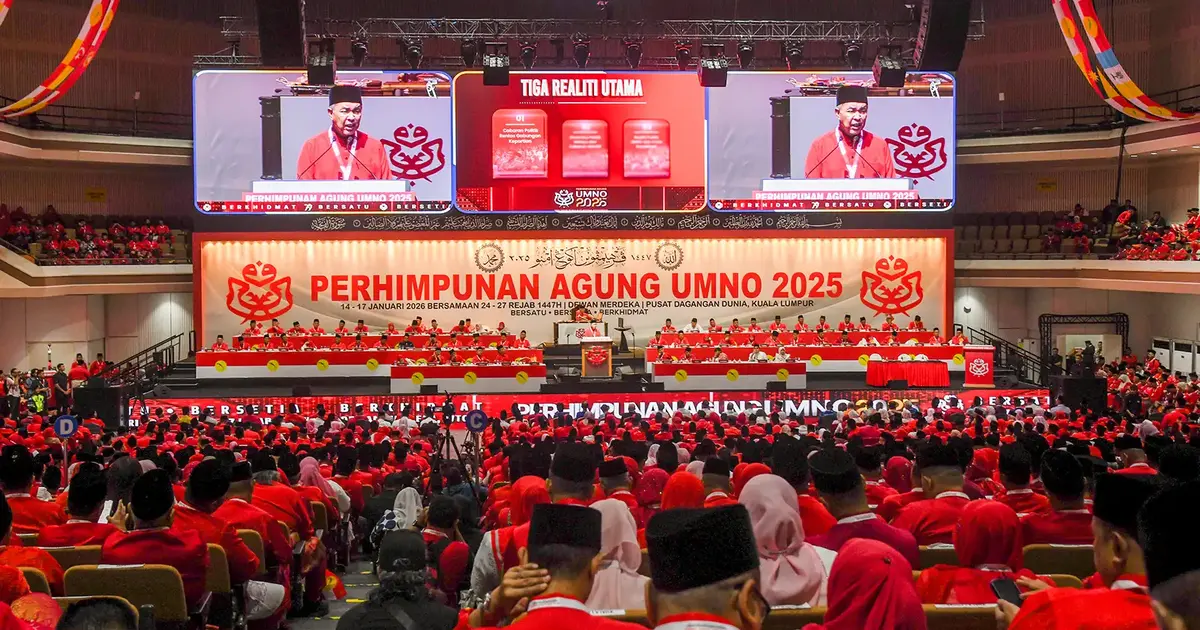
Tensions have surfaced within Umno's grassroots leadership over seat allocations awarded to Perikatan Nasional coalition partners, with internal dissatisfaction brewing over what party divisions view as an inequitable distribution of electoral opportunities. The friction reflects deeper anxieties within Umno's structure about the group's relative standing as the coalition's dominant member and the implications of sharing campaign resources with parties perceived as newer or less established.
The core grievance centres on the allocation of 11 seats to PN-aligned parties, a decision that has prompted pushback from Umno's divisional tier. These division leaders, who serve as the party's organisational backbone in their respective districts, appear concerned that the arrangement disadvantages Umno candidates or dilutes the party's capacity to maximise gains in forthcoming elections. The sentiment reflects a pattern of intra-coalition tension that frequently emerges when larger parties must compromise on seat distribution to maintain unity among multiple partners.
Particular ire has been directed toward Wawasan's receipt of four seats despite the party's inaugural contest. This arrangement has rankled Umno division leaders who argue that allocating a substantial number of winnable positions to a debut competitor represents poor stewardship of coalition resources. The criticism underscores a fundamental tension between rewarding new coalition members and protecting the interests of established parties that have historically borne the organisational and financial burden of electoral campaigns.
Umno's divisional structure wields considerable influence over candidate selection and grassroots mobilisation, making their discontent a matter of strategic concern for party leadership. Division leaders control the mechanics of campaign organisation at the ground level, directing volunteers, coordinating voter outreach, and rallying party members. Their frustration, if allowed to fester, risks translating into reduced enthusiasm or half-hearted campaign efforts during critical election phases.
The seat allocation controversy also reflects broader questions about coalition governance and decision-making authority. When major parties agree to work together, the negotiation of seat distribution becomes a proxy battle over relative party influence and future trajectory. Umno's leaders, accustomed to dominant positions in previous coalitions, appear uncomfortable with an arrangement that grants substantial representation to partners they regard as junior or untested.
Wawasan's unusual positioning in this scenario warrants examination. As a newcomer to major coalition politics, the party's prominent seat allocation may reflect strategic calculations by coalition architects aimed at building incentives for broader PN participation or rewarding specific individuals brought into the alliance. Such considerations, however pragmatic at the negotiating table, can generate friction among established party cadres who view such generosity as unearned and strategically questionable.
For Malaysian voters and political observers, this internal dissatisfaction carries implications beyond internal party management. Division-level discontent can affect campaign intensity, messaging consistency, and ultimately electoral performance. When party machinery is not fully mobilised or when grassroots leaders feel undervalued, campaign effectiveness often suffers, potentially influencing electoral outcomes and post-election coalition dynamics.
The timing of this discontent also matters contextually. Seat allocation decisions typically precede election campaigns, meaning these divisions must be managed before intensive campaigning commences. If Umno leadership fails to address divisional concerns adequately, resentment could colour campaign seasons and complicate coalition governance during the campaign period itself. The party must balance respect for alliance partnerships against the need to maintain internal morale and confidence among its foundational support structures.
Umno's position as Malaysia's largest Malay-majority party and a centrepiece of competing coalitions places particular weight on its internal cohesion. The party's divisional leaders represent constituencies with significant Malay-Muslim voter populations, demographics central to Malaysia's electoral outcomes. Their contentment or discontent ripples outward, affecting not only campaign performance but also the party's capacity to maintain unity across its complex internal factions and geographic divisions.
The Wawasan allocation controversy illustrates a persistent challenge in Malaysian coalition politics: balancing the need for broad partnership with the imperative to reward loyal, established partners. Umno's division leaders, speaking through their reported discontent, are essentially signalling that they expect recognition for their party's continued dominance and historical contributions to governing coalitions. Whether coalition leadership can resolve these tensions through further negotiation, clearer communication of strategic rationale, or alternative compensatory measures remains a significant question for the alliance's electoral prospects.
Looking forward, how Umno's senior leadership responds to divisional grievances will shape both internal party dynamics and broader coalition stability. The reported dissatisfaction serves as an early warning signal that grassroots acceptance of coalition arrangements cannot be assumed and that ongoing communication about strategic decisions at the highest levels must effectively cascade through organisational hierarchies to maintain unity and maximise electoral effectiveness across the alliance.

