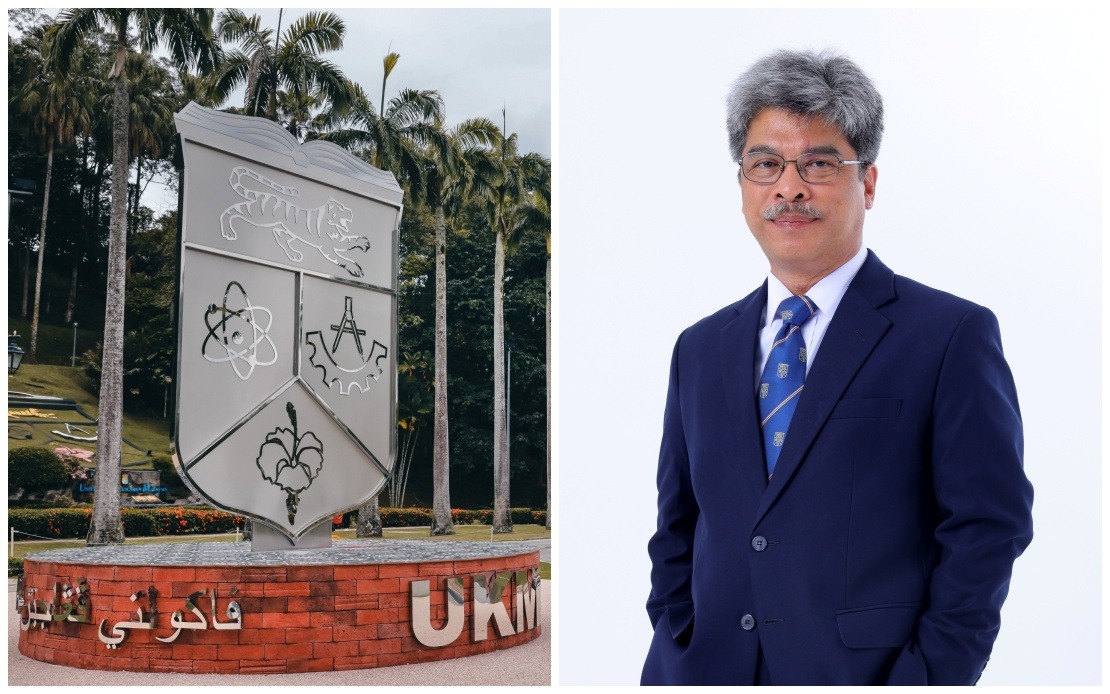
Malaysia's higher education system is poised for a significant legislative overhaul, and Universiti Kebangsaan Malaysia has positioned itself as a key participant in shaping the reform. In a statement issued on August 15, UKM's vice-chancellor Prof Datuk Dr Sufian Jusoh declared the institution's readiness to contribute specialised knowledge throughout the consultation process for the One Higher Education Act, which will supersede the Universities and University Colleges Act 1971 (Act 30), commonly referred to as AUKU.
The reform represents a watershed moment for Malaysia's tertiary education landscape, marking the first comprehensive legislative refresh in more than half a century. The AUKU, enacted during a different era of governance, has become increasingly restrictive by contemporary standards, particularly regarding student activism and institutional autonomy. Prime Minister Datuk Seri Anwar Ibrahim previously signalled the government's intention to dismantle these restrictions, emphasising the need for greater democratic space and freedom for student movements across Malaysian campuses. The Cabinet was scheduled to consider this matter shortly after the announcement, indicating the government's determination to accelerate the legislative process.
UKM's offer of expertise reflects broader institutional interests in shaping a legal framework that serves contemporary higher education needs. The vice-chancellor emphasised that the university welcomes the Higher Education Ministry's commitment to developing a more sophisticated and forward-thinking regulatory structure. Rather than positioning itself as a passive respondent to government initiatives, UKM has signalled ambitions to serve as a principal catalyst during stakeholder discussions, bringing together university leadership, faculty members, industry representatives, and students. This multi-stakeholder approach acknowledges that effective legislation requires diverse perspectives from those directly affected by regulatory change.
Sufian articulated UKM's conviction that comprehensive consultation processes remain essential for producing robust legal frameworks. By incorporating viewpoints from various constituencies, the reformed legislation can better accommodate the distinct characteristics and operational requirements of Malaysia's heterogeneous higher education ecosystem. Public universities, private institutions, research-focused establishments, and teaching-oriented colleges each operate within different contexts and face divergent challenges. A one-size-fits-all legislative approach would inevitably prove inadequate, making inclusive dialogue indispensable during the drafting phase.
The proposed reform aligns strategically with UKM's own institutional roadmap. The university has articulated its vision through the UKM TEKAD 57 Strategic Plan 2026-2030, which frames higher education's role in preparing Malaysia for its centennial independence milestone in 2057. This long-term planning document emphasises several objectives that the new legislative framework is expected to advance: enhanced institutional autonomy, increased governance flexibility, protection of ethical academic freedom, and amplified student leadership participation within university structures. The convergence between UKM's aspirations and the government's reform objectives creates natural synergies that the institution intends to leverage.
The relationship between legal reform and institutional capacity demands careful consideration. UKM's leadership expresses confidence that integrating the One Higher Education Act with TEKAD 57's aspirations will strengthen institutional autonomy while simultaneously reinforcing accountability mechanisms and governance standards. This balance represents a crucial tension in higher education policy: universities require sufficient operational freedom to innovate and respond dynamically to changing circumstances, yet they remain public institutions accountable to government and taxpayers. The new legislation must establish this equilibrium effectively, and UKM's participation in formulating the framework positions the institution to advocate for structures that preserve academic integrity while ensuring responsible stewardship of public resources.
Research excellence constitutes another dimension where UKM anticipates the reform will prove transformative. Malaysian universities increasingly compete on the global stage, with rankings and international reputation influenced heavily by research output and innovation. The AUKU's archaic provisions were designed for a fundamentally different higher education environment and can impede the agility required for competitive research enterprises. By modernising the legislative foundation, the new act should enable universities to establish more sophisticated research governance, facilitate international collaborations more readily, and allocate resources according to evolving research priorities with greater flexibility than current regulations permit.
The broader context includes the Malaysia Higher Education Plan (RPTM) 2026-2035, which the Higher Education Minister Datuk Seri Dr Zambry Abd Kadir has referenced as the policy template for legislative redesign. This strategic plan represents the government's comprehensive vision for sectoral development across the next decade, addressing quality enhancement, accessibility, research intensity, and international competitiveness. The One Higher Education Act will serve as the legislative instrument translating these strategic aspirations into binding regulations, making the drafting process fundamentally consequential for whether policy objectives become achievable or remain aspirational statements.
Student activism dynamics feature prominently in reform discussions, reflecting accumulated dissatisfaction with AUKU's restrictions on campus political expression. Previous restrictions on student organisations and political activities have generated sustained criticism from civil society advocates, student leaders, and international observers. The new framework is expected to substantially broaden student democratic participation, allowing greater scope for political expression, activism, and leadership development. These freedoms potentially transform university campuses into more vibrant civic spaces where young citizens develop democratic competencies through practical engagement.
UKM's engagement with reform efforts also reflects competitive dynamics within Malaysia's higher education sector. By positioning itself as the principal catalyst for stakeholder dialogue, the institution elevates its profile and influence within policy formulation processes. Other universities may follow with their own expertise offerings, potentially creating parallel consultation channels. This multiplication of institutional voices could enrich discussion but might also complicate the government's coordination of feedback, necessitating clear protocols for synthesising diverse contributions into coherent legislative language.
The timeline for reform remains somewhat fluid, though the government's evident momentum suggests enactment within the current parliamentary term is feasible. Legislative drafting typically extends across months, particularly when extensive consultation occurs. UKM's readiness to contribute suggests the institution has already undertaken preliminary analysis of potential provisions and anticipated stakeholder positions, allowing rapid substantive engagement once formal consultation processes commence.
Ultimately, the higher education act reform represents an opportunity for Malaysia to modernise regulatory structures that have constrained institutional development for decades. UKM's proactive stance reflects institutional confidence that participating actively in reform design will yield frameworks aligned with contemporary educational requirements and national aspirations. The success of this legislative transition will substantially influence whether Malaysian universities can effectively compete internationally and whether domestic higher education adequately serves national development goals through the 2030s and beyond.

