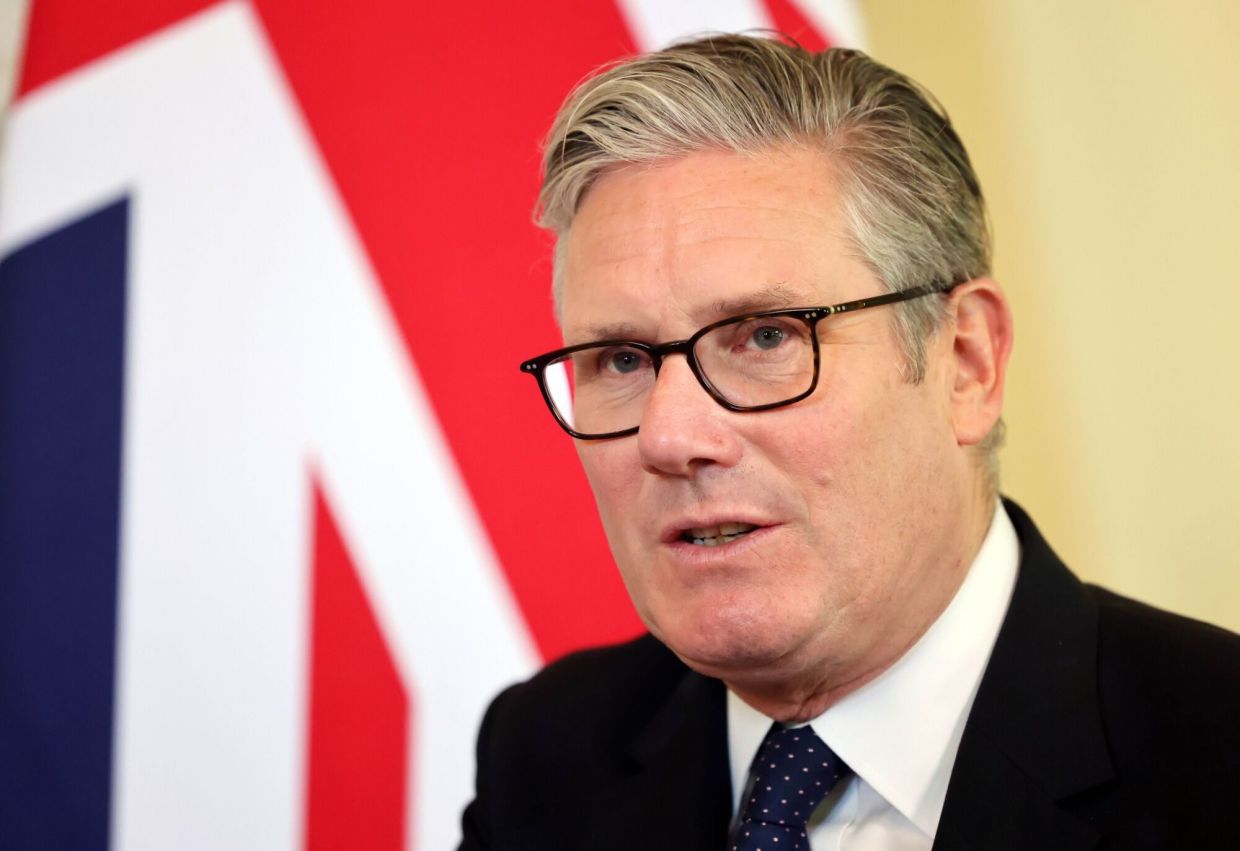
Prime Minister Keir Starmer will unveil a comprehensive set of measures on Monday morning designed to shield British teenagers from digital harms, centring on restricting social media access for those under 16. The announcement comes days before the UK leader travels to Évian-les-Bains for talks with Group of Seven nations, where he faces scrutiny over recent defence ministry departures and ongoing military funding disputes.
The proposed restrictions extend beyond social media to encompass curbs on chatbot usage and time limits for older adolescents online. Government insiders indicate the package exceeds comparable protections recently enacted in Australia, where comparable legislation took effect last year. Public backing for age restrictions on social media remains strong, though enforcement challenges persist.
"This is a choice about whose side we're on: families across the country, or a status quo that isn't working," Starmer stated in a late Sunday message. The push has drawn criticism from those who question whether the policy was hastily assembled. Ian Russell, whose teenage daughter died by suicide in 2017 following exposure to damaging online material, warned the BBC it would prove "deplorable" if the announcement served as a political manoeuvre ahead of an anticipated leadership contest.
Opposition figures contend the government moved too quickly, with the Liberal Democrats describing the approach as "a half-baked policy" pursued to establish a lasting political achievement. A government insider acknowledged that some Labour colleagues regard the complete ban for under-16s as premature, given that public consultation on youth protection measures concluded fewer than three weeks prior.
Starmer faces mounting internal party tensions following resignations of defence officials over military funding shortfalls. Defence Secretary John Healey stepped down last week, stating the premier had not obtained adequate budget increases given mounting security dangers. Culture Secretary Lisa Nandy suggested negotiations continue to identify additional resources from other spending areas, hinting Starmer may secure enhanced defence allocations—though such a reversal risks fresh accusations of policy U-turns.