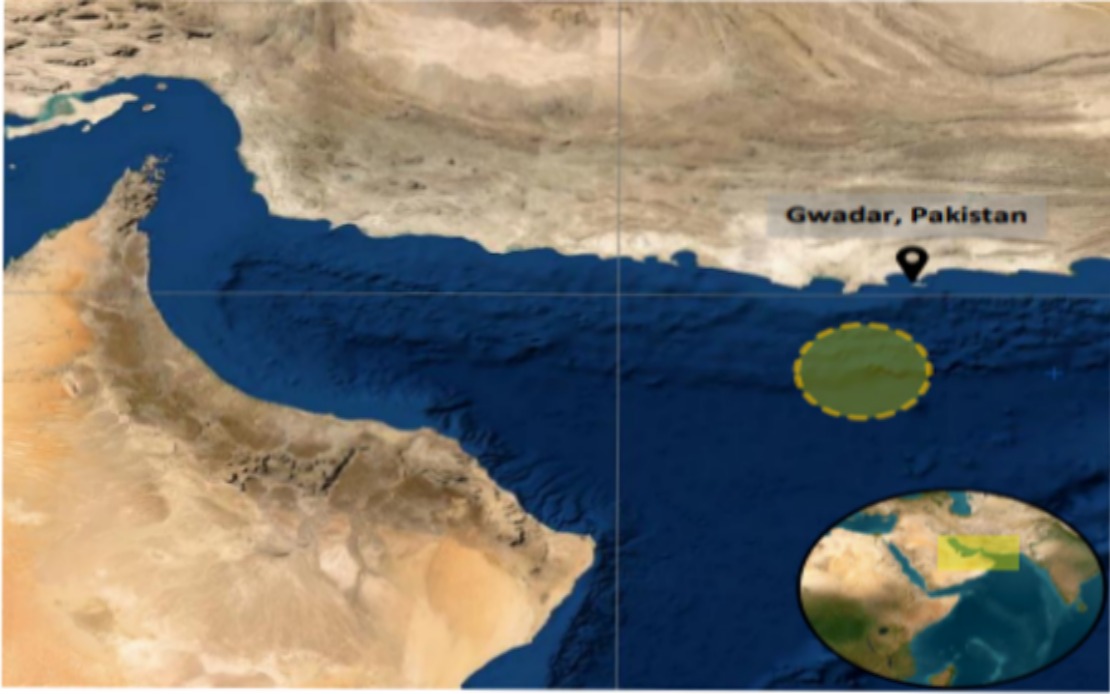
A tanker has been involved in an incident with military forces in the Gulf of Oman near Gwadar on Pakistan's southwestern coast, according to a notice issued Tuesday by the UK Maritime Trade Operations agency. The advisory, which urges seafarers to remain vigilant and consider the latest maritime security assessments, reflects deepening concerns about safety in one of the world's most critical shipping routes.
The UKMTO, which serves as the official information hub for maritime incidents in the region, confirmed that authorities are aware of the situation and that investigations into the matter are continuing. However, the agency provided minimal detail about the nature of the incident, the identity of the vessel involved, or whether there were any casualties or physical damage resulting from the encounter. This lack of specificity is typical when sensitive maritime incidents occur in contested waters, as initial reports are often withheld pending full investigation.
The timing of the incident underscores the volatile security environment that has emerged around the Strait of Hormuz and adjacent waters over recent months. The Gulf of Oman, which sits between Oman and Iran and connects to the Strait of Hormuz—the world's most important oil chokepoint—has become an increasingly fraught zone where military powers project force and commercial shipping faces mounting uncertainty. For Malaysian trading interests and those of other Southeast Asian nations dependent on uninterrupted gulf commerce, such incidents represent a genuine threat to supply chains and energy security.
Recent military confrontations between the United States and Iran have created an unpredictable operating environment that extends far beyond their bilateral relationship. The wider region, including waters near Pakistan, has become susceptible to miscalculation and unforeseen escalations. Maritime operators working in these zones must now factor in not only traditional piracy or mechanical failures but also the possibility of encounters with military assets, which can result in sudden closures, boarding operations, or worse.
Gwadar, where this incident occurred, holds particular strategic significance for the region. Pakistan's deepwater port has become a focal point in the China-Pakistan Economic Corridor, making it an important hub for international maritime traffic connecting South Asia, the Middle East, and beyond. An incident in its vicinity draws attention to how even peripheral waters adjacent to major shipping thoroughfares can become flashpoints when broader geopolitical tensions are heightened.
For Malaysia and other Southeast Asian nations, the implications are substantial. A significant portion of regional trade flows through the Strait of Hormuz and adjacent waters, making any deterioration in security conditions a concern for national economic interests. Insurance premiums for vessels operating in the region have already risen, and shipping companies are increasingly required to employ additional security measures, all of which adds cost to global trade and ultimately affects prices for Malaysian importers and consumers.
The UKMTO's advisory represents a cautious but firm message to the maritime industry to heighten awareness and adopt defensive measures. Vessels are being asked to review the latest intelligence regarding maritime threats and to adjust their operational practices accordingly. This could include increased communication with coastal authorities, revised routing to avoid particularly dangerous areas, or the engagement of armed security personnel—measures that have become commonplace but represent a significant shift from historical norms in international shipping.
The broader context of heightened tensions in the Persian Gulf region cannot be separated from this incident. Over the past several years, the region has witnessed multiple confrontations—including vessel seizures, near-collisions between military ships, and attacks on commercial tankers—that have created an atmosphere of mutual suspicion and military posturing. Each incident, whether directly involving the major protagonists or occurring in adjacent waters, contributes to a cumulative effect of instability that affects global maritime commerce.
The lack of detailed information surrounding this particular incident may itself be strategically significant. Ambiguity in contested waters can reflect either the delicate balance of diplomatic communication between involved parties or deliberate obfuscation to avoid escalation. Either way, it reinforces the reality that the Gulf of Oman and surrounding areas remain zones where the international rules-based maritime order is strained by competing national interests and military presence.
As investigations proceed, the incident serves as another reminder to regional policymakers and international shipping interests that the security architecture around the Strait of Hormuz and Gulf of Oman requires sustained diplomatic engagement and clear protocols to prevent minor encounters from becoming flashpoints for wider conflict. For Malaysian stakeholders—whether shipping companies, oil importers, or policymakers—maintaining awareness of these developments remains essential to protecting national interests in an increasingly volatile strategic environment.

