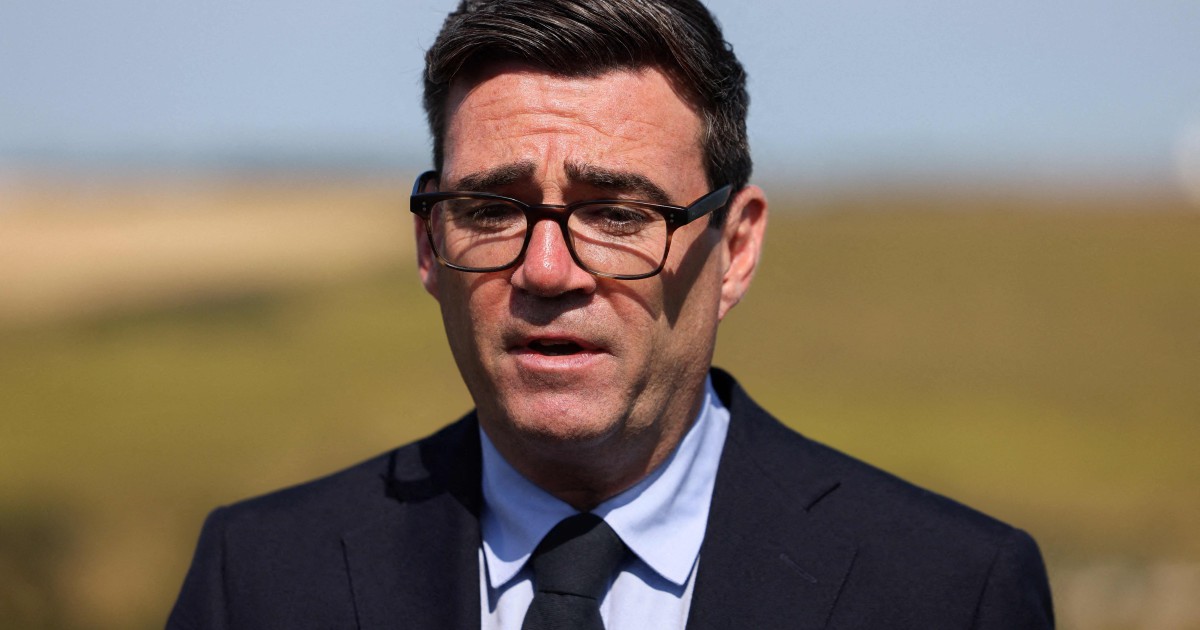
British Prime Minister Andy Burnham is actively considering whether to establish a public inquiry into the extent of convicted sex offender Jeffrey Epstein's operations within the United Kingdom, according to comments made by victims minister Alex Davies-Jones during a BBC interview. The potential investigation would examine the full scope of Epstein's activities on British territory and could represent a significant step towards accountability for victims who may have been affected by his crimes within UK borders.
The announcement of this preliminary review signals a shift in official handling of the Epstein scandal in Britain. While the financier's criminal network and abuse have been extensively documented in the United States following his 2019 arrest and subsequent death in custody, considerably less public scrutiny has focused on whether his operations extended into the UK. A formal public inquiry would represent an official acknowledgement that British authorities need to examine their own jurisdiction's exposure to his activities and any institutional failures that may have occurred.
Public inquiries in the British system serve a distinct purpose beyond criminal proceedings. They allow independent examination of systemic issues, institutional responses, and broader policy questions that individual prosecutions may not address. In cases involving historical abuse and powerful figures, such inquiries have proven valuable in establishing timelines, identifying failures in safeguarding mechanisms, and recommending institutional reforms. The Epstein inquiry, should it proceed, would likely follow similar protocols.
The consideration comes at a time when victims' advocacy groups have increasingly pressed governments worldwide to examine their own complicity or institutional oversights regarding Epstein. In the United States, the release of court documents and the conviction of associate Ghislaine Maxwell provided significant detail about operational methods and networks. British victims and their representatives have raised questions about whether comparable scrutiny exists for activities occurring on British soil and whether appropriate investigative and protective measures were in place.
From a regional perspective, the UK's potential inquiry could influence how other Commonwealth nations and European countries assess their own oversight gaps. Malaysia and other Southeast Asian jurisdictions with financial connections to London and British expatriate communities have shown concern about international trafficking networks that exploit wealth disparities across borders. A thorough UK examination of Epstein's operations could establish methodological frameworks that other nations might adopt in investigating historical abuse cases involving internationally mobile perpetrators.
Davies-Jones, in her capacity as victims minister, represents a government department specifically tasked with supporting survivors of abuse and crime. Her public statement about the inquiry's consideration suggests that victims' voices have been heard within the government machinery and that their representations about unresolved questions regarding UK-based activities have influenced policy discussions at the highest level. This represents a meaningful institutional response to persistent demands for accountability.
The mechanics of establishing such an inquiry involve significant considerations. Terms of reference would need careful definition to determine which geographic areas, time periods, and institutional bodies would fall within scope. The inquiry would likely need to examine whether British law enforcement agencies adequately investigated connections to Epstein before his arrest, whether financial institutions in London facilitated his operations, and whether visa and immigration systems contained safeguards against his travel patterns to the UK.
Potential barriers to a comprehensive inquiry include questions of jurisdiction, witness cooperation, and the sensitivity surrounding figures of influence who may have had connections to Epstein. Many individuals with knowledge of his activities remain unwilling to testify or provide information publicly. Additionally, some aspects of ongoing cases may involve legal constraints on disclosure that could complicate an inquiry's work.
For Malaysian readers and observers in Southeast Asia, the significance extends beyond British domestic politics. The Epstein case has illustrated how wealth enables international movement and network-building that crosses regulatory jurisdictions. The effectiveness of any UK inquiry in establishing accountability mechanisms could inform regional discussions about financial crime, human trafficking, and institutional safeguarding in societies with significant expatriate populations and international financial flows.
The consideration of such an inquiry also reflects evolving standards regarding institutional responsibility for abuse. Modern inquiries increasingly examine not merely individual criminal acts but systemic failures: why institutions failed to report concerns, why professional bodies did not act on knowledge, and why protective mechanisms proved inadequate. A British inquiry following these contemporary standards could establish important precedents.
Prime Minister Burnham's examination of inquiry options remains preliminary rather than a firm commitment. The government will likely weigh demands for transparency against practical and legal considerations before announcing a decision. However, Davies-Jones's public statement confirms that the question is receiving serious consideration at ministerial level, suggesting that victims' advocacy and public pressure have created political conditions favourable to investigation.

