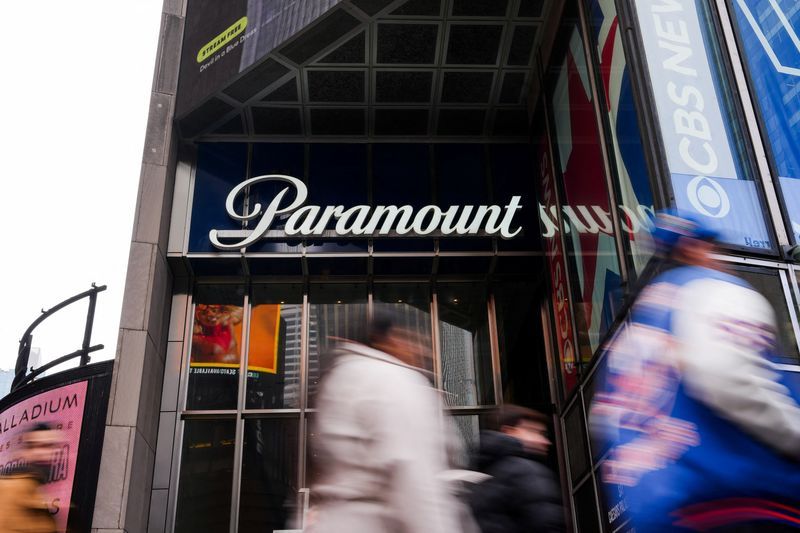
Twelve American states have launched a legal challenge against the proposed merger between Paramount and Warner Bros Discovery, contending that the combination of two major film studios would create anticompetitive conditions that ultimately harm consumers and independent cinema operators across the nation. The lawsuit, led by California and including states such as Oregon, New York and Minnesota, focuses on how the deal would fundamentally alter the balance of power in both theatrical film distribution and cable television markets, potentially squeezing the revenues of local theater chains that remain vulnerable after pandemic-related attendance declines.
California Attorney General Rob Bonta articulated the core concern at a media briefing held in front of the iconic Hollywood sign, outlining a chain reaction of negative consequences that would ripple through the entertainment industry. As the two studios merge, they would control one-fifth of the five major film distributors in the United States, granting the combined entity unprecedented leverage in negotiations with cinema operators. This imbalance in bargaining power would likely force theater owners to accept unfavorable terms when licensing blockbuster films that drive ticket sales, Bonta argued, ultimately constraining their ability to invest in the amenities and infrastructure that audiences expect in the streaming age.
The complaint alleges that consolidation at the studio level would enable Paramount and Warner Bros to demand a larger percentage of ticket revenues from exhibitors, a significant shift from the traditional fifty-fifty split between filmmakers and theaters. For highly anticipated releases, studios can already extract as much as sixty percent of proceeds, but the merger would strengthen their negotiating position further. An anonymous executive from an independent theater chain acknowledged the precarious situation facing cinema owners, noting that without multiple powerful studios competing for screen time, theaters would lose their ability to negotiate favorable licensing terms or contest unreasonable demands. The executive's request for anonymity underscores the vulnerability of theater operators who fear retaliation if they speak publicly against either Paramount or Warner Bros Discovery.
The financial pressures on theaters are compounded by the ongoing recovery from pandemic-related disruptions. Box office receipts in the United States and Canada totaled 5.1 billion dollars for the year-to-date period mentioned in the filing, representing a 10.6 percent increase from the previous year but remaining 16.3 percent below pre-pandemic 2019 levels. In response to competition from streaming platforms, cinema chains have invested substantially in facility upgrades including premium seating, enhanced concession offerings, and specialized screening formats. If studios capture an even larger share of ticket sales, theater owners would face an untenable choice between raising ticket prices or deferring the very improvements that differentiate cinemas from home entertainment options.
Bonta specifically invoked the 2019 Disney acquisition of Fox entertainment assets as a cautionary precedent, demonstrating how previous studio consolidation has reduced competition in theatrical distribution. Between 2015 and 2018, Disney and Fox combined distributed 112 wide-release films annually. Following the merger, that figure contracted to just 54 films distributed between 2022 and 2025, a decline the states attribute directly to reduced competition and industry consolidation. This pattern suggests that a Paramount-Warner combination would likely result in fewer theatrical releases overall, further constraining the content pipeline that sustains cinema attendance and limits theaters' programming flexibility.
The complaint identifies a secondary harm flowing from the merger's concentration of cable television assets. Paramount and Warner Bros collectively own a constellation of influential networks including CNN, TNT, the Food Network, HBO, and numerous specialty channels that reach American households through cable and satellite providers. When the two studios merge, these networks would no longer compete against one another for carriage agreements with distributors, eliminating a crucial competitive dynamic. Cable providers would find themselves negotiating with a single entity that controls a disproportionate share of desirable content, leaving them with minimal leverage to challenge pricing demands or contract terms. The states argue that cable subscribers would bear the ultimate cost through higher monthly bills, as providers pass along increased licensing fees to consumers with few alternatives.
Paramount's leadership disputed the states' characterization of the deal, arguing that the lawsuit misrepresents competitive dynamics within the entertainment industry and distorts settled antitrust doctrine. In a company statement, Paramount contended that blocking the transaction would inflict collateral damage on entertainment workers who have already endured years of disruption stemming from technological change and the rise of streaming competition. The studio emphasized that California alone would suffer tens of thousands of lost jobs in the entertainment sector if the merger were prevented, framing the deal as essential to the economic health of the broader industry. Paramount is led by CEO David Ellison, who has committed to paying Warner Bros Discovery shareholders a quarterly "ticking fee" of 25 cents per share—approximately 650 million dollars in total per quarter—if the transaction fails to close before October, underscoring the financial pressure both companies face to complete the combination.
Theater operators and their industry representatives have firmly aligned themselves with the state challenge. Cinema United, a trade association representing independent and regional cinema chains, issued a statement of support for the lawsuit, with President and CEO Michael O'Leary warning that further consolidation among major studios poses lasting consequences for communities nationwide. O'Leary framed cinema as essential infrastructure for American towns and cities, providing cultural programming and economic activity that extends beyond the box office. Independent theaters and smaller chains have particular reason to fear a Paramount-Warner merger, as they lack the negotiating scale of large multiplexes and would face even steeper disadvantages when dealing with a dominant studio behemoth. The association's backing lends grassroots credibility to the states' legal position and demonstrates alignment between government enforcement and industry stakeholders most vulnerable to anticompetitive effects.
For Malaysian and Southeast Asian observers, the case illustrates how media consolidation trends occurring in the United States reverberate globally. Paramount and Warner Bros are major producers and distributors of content consumed across Asia, and their combined market power would influence not only theatrical exhibition but also the availability and pricing of television programming throughout the region. As streaming services compete with traditional cinema and cable, the fundamental question of whether content creators should accumulate excessive bargaining leverage resonates across markets. The outcome of this American legal challenge may establish precedent for how regulators worldwide evaluate entertainment mergers and could influence competition authorities in other jurisdictions contemplating similar transactions involving major studios and broadcasters.
The litigation also underscores broader concerns about market concentration in media and entertainment at a time when technological disruption is already reshaping consumer behavior. Rather than allowing multiple competing studios to drive innovation and consumer choice, a Paramount-Warner combination would reduce the number of decision-makers shaping what content reaches audiences through theaters and cable systems. The states' complaint rests on the proposition that competition among studios benefits consumers through lower prices, more programming options, and continued investment in the theatrical experience. Whether American courts ultimately agree with this analysis remains uncertain, but the case reflects a growing skepticism among state enforcers toward mega-mergers in industries already dominated by a small number of major players.

