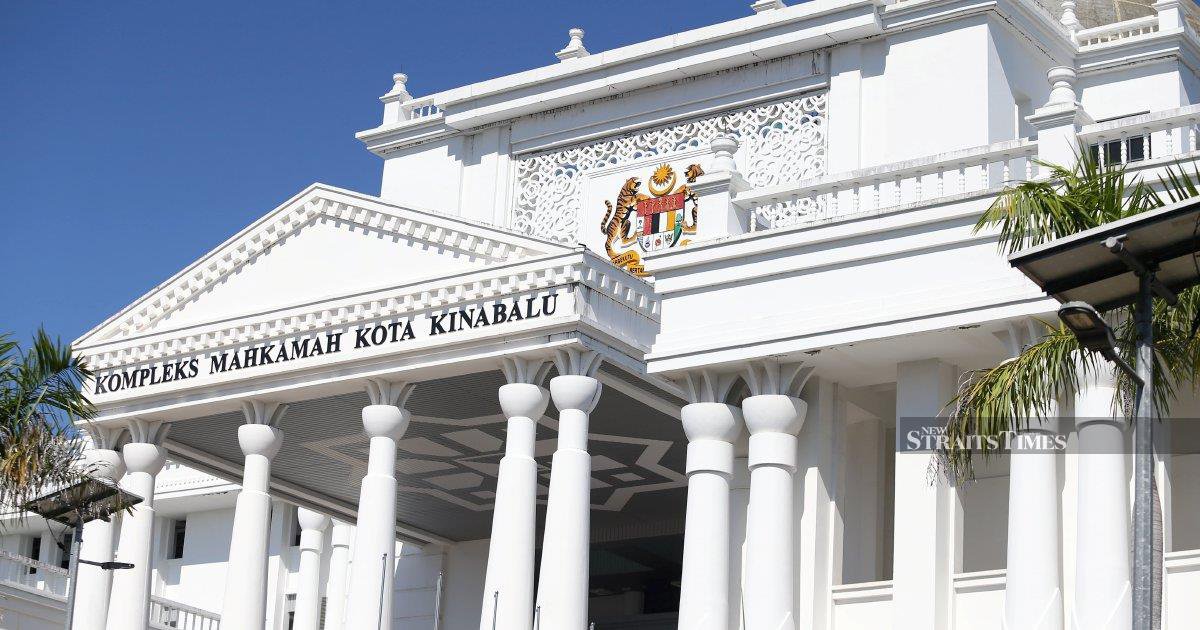
The Sessions Court in Kota Kinabalu brought charges against two women today following their recent apprehension in connection with what authorities allege was an elaborate deception involving traditional healing practices. The pair face three separate counts of criminal conspiracy to commit fraud against three female victims, marking another case in a persistent pattern of scams targeting vulnerable people seeking alternative medicine solutions in Sabah.
Traditional healing scams have become increasingly prevalent across Malaysia, preying on individuals desperate for remedies to serious health conditions or those seeking cost-effective alternatives to conventional medicine. These schemes often exploit deep-rooted cultural beliefs in folk remedies and spiritual healing, particularly among older demographics and rural communities where access to modern healthcare may be limited or expensive. The Kota Kinabalu case underscores how perpetrators manipulate trust and traditional practices for financial gain.
The mechanics of such scams typically involve convincing victims that healers possess extraordinary powers or secret knowledge to cure ailments, disabilities, or misfortunes. Victims are persuaded to make substantial payments for various treatments, rituals, or spiritual services with promises of miraculous results. In many instances, perpetrators demand additional funds to purchase special oils, herbs, or talismans supposedly essential for the healing process, creating a cycle of escalating financial demands.
Law enforcement agencies across Malaysia have intensified focus on healing scams after receiving numerous complaints from defrauded victims. The Kota Kinabalu police district has handled increasing reports of such offences, reflecting broader challenges in protecting citizens from wellness-related fraud. Unlike straightforward financial crimes, these schemes are particularly damaging because victims often delay seeking legitimate medical treatment, potentially worsening their health conditions while pursuing false remedies.
The charging of these two women demonstrates commitment from the Malaysian legal system to prosecute fraud cases systematically. Multiple charges under criminal conspiracy provisions reflect the coordinated nature of the alleged offences, suggesting both individuals played active roles in planning and executing the deceptive scheme. The Sessions Court hearing marks the beginning of what will likely be a detailed examination of evidence and victim testimonies.
For Malaysian consumers, this case serves as a stark reminder about the importance of exercising caution when seeking alternative health treatments. While some traditional healing practices have merit and are practised responsibly by genuine practitioners, the absence of comprehensive regulation in the wellness sector creates significant opportunities for exploitation. Consumer protection authorities have repeatedly warned the public to verify credentials of healers and avoid practitioners operating without proper licensing or oversight.
The broader implications extend beyond individual victims to public health considerations. When people are defrauded and simultaneously misled about medical treatment, they may neglect legitimate healthcare options during critical periods. This can result in serious health deterioration, increased burden on hospital systems, and preventable complications. Families also suffer financial consequences that can be devastating, particularly in lower-income households where savings are depleted by fraudulent practitioners.
Sabah, like other Malaysian states, has experienced growth in unregulated traditional healing businesses. The state's diverse population includes many indigenous communities with longstanding traditional medical practices, alongside newer practitioners marketing themselves as healers without proper credentials or oversight. Distinguishing between legitimate traditional medicine practitioners and fraudsters requires public awareness and stronger consumer protection mechanisms.
The Malaysian government and regulatory bodies face ongoing challenges in balancing respect for traditional practices with consumer protection. While some traditional healing methods have demonstrated effectiveness and warrant recognition, the absence of standardised certification processes means anyone can claim healing abilities. Establishing clearer guidelines, requiring proper registration, and creating transparent complaint mechanisms would significantly reduce opportunities for exploitation while preserving legitimate traditional medical practices.
Victims of healing scams often experience compounded trauma, having lost money while also suffering emotional distress from betrayed trust and unfulfilled hopes for recovery. Support systems for these individuals remain limited across Malaysia, with few dedicated resources for victims of wellness fraud. As court cases progress, the experiences of victims testifying may help raise awareness about recognising warning signs and red flags in healing services.
The charge brought against these two women also highlights the sophistication some scammers employ. Working in pairs or groups allows perpetrators to divide responsibilities, with one building initial trust while others manage financial transactions or handle logistics. This collaborative approach makes investigations more complex and underscores why law enforcement agencies require substantial evidence and witness cooperation to secure convictions.
Moving forward, this case may influence how Malaysian authorities approach similar complaints. Successful prosecution sends deterrent messages to potential perpetrators, while also validating victims' decisions to come forward and cooperate with investigations. Community education campaigns alongside legal action represent a comprehensive approach to reducing healing scams that continue affecting Malaysian citizens across different states and demographics.

