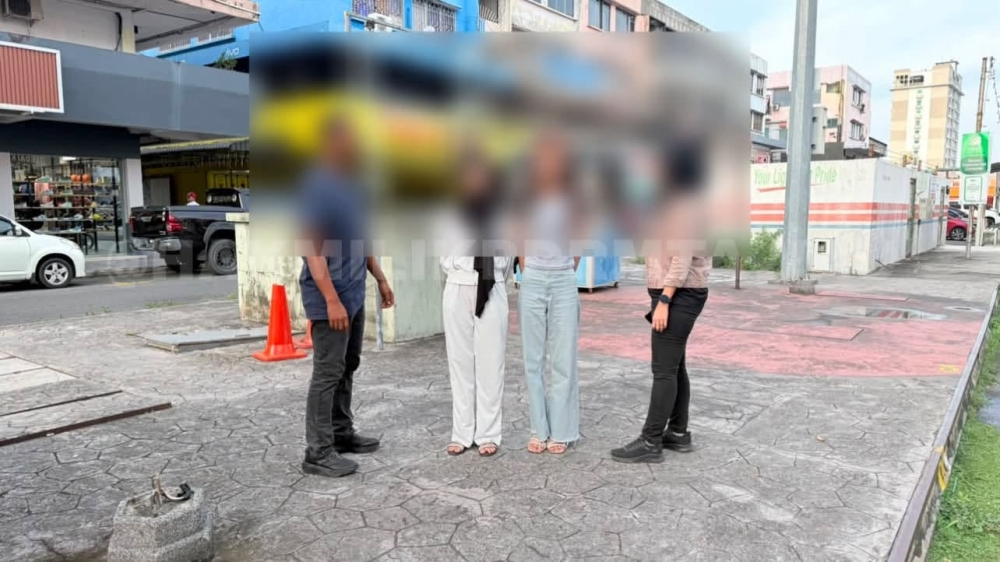
Law enforcement authorities in Tawau have taken two women into custody following a heated physical confrontation that erupted at a dining establishment in Bandar Fajar. The incident, which occurred on July 13, has drawn attention to concerns about public order and safety in the commercial district. The exact circumstances that triggered the altercation remain under investigation by police, who are working to establish the sequence of events leading up to the clash.
The Tawau district, located in Sabah's southeastern region, has been the focal point of heightened police activity in recent months as authorities seek to maintain public peace across various commercial venues. Restaurant establishments in the Bandar Fajar enclave serve as gathering points for residents and visitors, making incidents of this nature a matter of concern for business owners and the broader community. The confrontation between the two women underscores the occasional tensions that can surface in crowded public dining spaces.
Investigating officers have begun piecing together accounts from witnesses who were present at the restaurant during the altercation. Their statements will prove crucial in determining the catalyst for the dispute and whether any provocation played a role in escalating the situation. Police have indicated that preliminary findings will guide their approach to potential charges that may be filed against the arrested individuals.
The arrest of both women signals law enforcement's commitment to addressing disruptive behaviour in public spaces where families and members of the community gather for meals and social interaction. Tawau's commercial establishments rely on maintaining a safe and welcoming atmosphere for patrons, and incidents that jeopardise this environment receive serious attention from authorities. The swift response and apprehension of those involved demonstrates police capacity to respond to disturbances in real time.
For residents of Tawau, such incidents serve as reminders of the importance of conflict resolution and civility in public settings. The restaurant sector in Sabah's smaller urban centres depends significantly on reputation and word-of-mouth recommendations, meaning that negative incidents can have ripple effects on business confidence and patronage. Establishment owners often find themselves in the position of managing customer tensions to prevent situations from escalating to the level witnessed in this case.
The investigation into the brawl will likely examine whether alcohol played any role in reducing inhibitions or exacerbating underlying tensions between the two women. Tawau's dining and entertainment venues operate under regulations designed to maintain order, and compliance with these standards is monitored by local authorities. Police will determine whether any venue regulations were violated during the altercation.
The incident highlights broader questions about personal conduct in shared public environments across Malaysian urban centres. As Tawau continues to develop economically and attracts growing foot traffic to its commercial precincts, maintaining social harmony becomes increasingly important for stakeholders ranging from local government to business associations. The confrontation also underscores the role that clear communication and de-escalation techniques play in preventing minor disagreements from becoming physical altercations.
Both women remain in police custody as investigators continue their work. Authorities have not yet disclosed what specific charges may be pursued, pending the completion of witness statements and evidence gathering. The progression of the case through the legal system will likely provide clarity on the nature and severity of the alleged conduct.
For the restaurant owner and staff, the incident represents an unwelcome disruption to normal operations and raises questions about patron management and establishment liability. Many dining venues across Sabah have implemented conflict prevention protocols, training staff to intervene early when tensions between customers begin to rise. The Bandar Fajar establishment may use this experience to review its own procedures and ensure preparedness for similar situations in future.
The case also carries implications for how Malaysian police approach public disorder matters in smaller urban centres outside the capital regions. Consistency in enforcement and investigation standards helps establish predictable consequences for antisocial behaviour, potentially serving as a deterrent to similar incidents. Tawau's police force continues to balance community policing with swift response capabilities, working to protect both public safety and individual rights throughout their jurisdiction.

