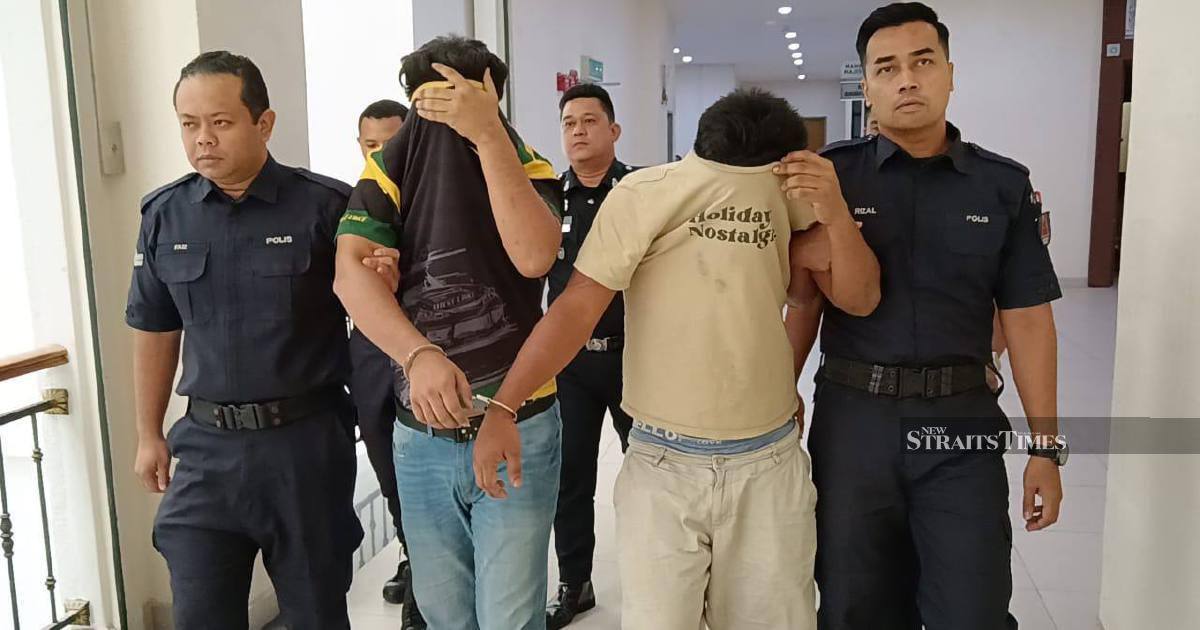
Two Rohingya men carrying UNHCR identity cards have been brought before Muar Magistrate's Court on charges stemming from a series of house break-ins that have troubled the district. The arrests mark the latest incident to draw attention to crime among displaced persons in Johor's Muar district, adding urgency to broader discussions about refugee integration and security in Malaysia.
The case comes as Malaysia grapples with managing its sizable Rohingya population, many of whom arrived as refugees fleeing persecution in Myanmar. While the majority of Rohingya in Malaysia live peacefully within their communities, individual criminal incidents involving members of this group have repeatedly sparked public concern and media attention. The Muar district, which hosts a notable concentration of Rohingya residents, has seen periodic tensions between refugee communities and local residents over crime and resource allocation.
Rohingya individuals in Malaysia typically carry UNHCR documentation rather than formal citizenship papers, as the country is not a signatory to the 1951 Refugee Convention and does not formally recognise refugee status. This documentation serves as a form of identity verification for assistance and movement purposes. The involvement of UNHCR card holders in criminal activity raises questions about the effectiveness of community monitoring systems and the vetting processes surrounding refugee management at the local level.
The string of burglaries that prompted these charges had reportedly caused alarm among Muar residents, who feared for the security of their homes and possessions. Police investigations into the incidents eventually led authorities to identify and apprehend the two suspects. The prosecution of these cases demonstrates that law enforcement agencies are treating crimes committed by members of refugee communities with the same seriousness accorded to offences by Malaysian citizens.
For the Rohingya community itself, high-profile criminal cases involving members of their group create a difficult dynamic. While the vast majority are law-abiding individuals seeking safety and stability, criminal incidents by a small minority can fuel stereotypes and increase social friction. Community leaders have previously appealed for understanding that crime exists across all demographic groups, and that singling out refugee offenders risks unfair generalisation.
The Muar case reflects broader tensions across Malaysia's refugee hosting regions. Several states, including Johor, have expressed concerns about the strains that large refugee populations place on local infrastructure, social services, and security resources. While humanitarian organisations emphasise the vulnerability of displaced persons, local communities sometimes feel that security concerns are overlooked in favour of compassion toward refugees.
Malaysia currently hosts one of the world's largest Rohingya populations outside of camps, though exact figures remain contested. The UNHCR estimates several hundred thousand Rohingya are in the country, though the government maintains lower official figures. Many live in urban areas with limited legal work rights, creating economic hardship that some criminology researchers argue can contribute to higher offence rates among marginalised populations.
The charges against the two men will proceed through the Malaysian court system, where they will face standard legal processes and be entitled to standard due process protections. The outcomes of these cases may have implications for community relations in Muar, where resident perceptions of refugee crime influence political pressure on local authorities to adopt stricter policies regarding refugee populations.
Beyond the immediate criminal investigation, the incident underscores the need for comprehensive integration strategies that address both security concerns and the humanitarian needs of displaced persons. Experts have suggested that providing legal economic opportunities, language training, and community engagement programmes can reduce isolation and associated social problems. However, such initiatives require sustained funding and political will that remains inconsistent across Malaysian states.
The Muar Magistrate's Court proceedings will likely attract local media and public attention, given the sensitivity surrounding refugee-related crime. How these cases are adjudicated and communicated to the public may influence community attitudes toward the Rohingya presence in the district. Local NGOs working with refugee populations have called for media coverage to avoid inflammatory language that could provoke backlash against the broader community.
For Malaysian policymakers, incidents such as the Muar break-ins highlight the complexity of balancing humanitarian obligations with legitimate security and resource management challenges. The country's approach to refugee management—characterised by limited formal integration but de facto tolerance of refugee presence—remains unsustainable without clearer legal frameworks and adequate support infrastructure. These criminal charges, while concerning in themselves, are symptoms of a larger governance challenge that requires sustained attention and coordinated solutions across multiple government agencies and civil society actors.

