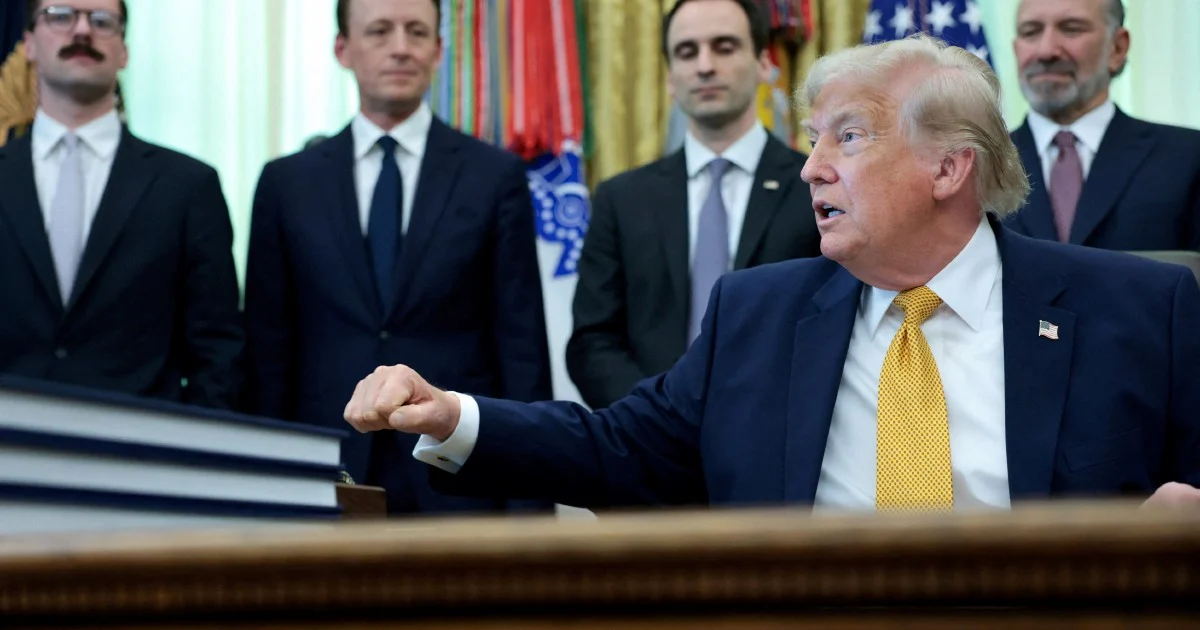
American law enforcement authorities have moved forward with fresh arrests connected to an alleged scheme targeting the White House, according to an announcement made by the Justice Department on Monday. The detained individuals are said to be linked to a plot aimed at disrupting security during a proposed mixed martial arts competition scheduled to occur on the presidential residence's grounds while Donald Trump was presiding over the event.
This development marks an escalation in the investigation into what prosecutors characterise as a coordinated threat against one of the nation's most heavily fortified locations. The charges emerge from a broader inquiry into potential violent conspiracies directed at government installations and high-ranking officials. The nature of the alleged plot underscores persistent security vulnerabilities that continue to concern protective services, even at sites subjected to the most stringent defensive measures.
The White House lawn, as the proposed venue for this UFC-style spectacle, would have presented extraordinary logistical and security considerations. Hosting combat sports at the presidential compound itself represents an unprecedented scenario for Secret Service planners, who must balance ceremonial access with threat mitigation. The selection of this particular location by those allegedly involved in the conspiracy suggests deliberate targeting of a scenario where heightened activity and crowd presence might create operational gaps.
Under typical circumstances, major mixed martial arts events require extensive advance preparation, involving coordination between event organisers, law enforcement, and venue operators. When the proposed location involves presidential grounds, security protocols intensify substantially. Intelligence agencies would need to vet attendees, establish perimeter controls, and deploy protective personnel across multiple zones—a complexity that may have been factored into the alleged plotters' strategic thinking.
The involvement of multiple individuals in this scheme, as evidenced by the continuing arrest pattern, suggests coordination rather than isolated action. Such multi-person conspiracies typically involve division of labour, with different participants assigned reconnaissance, logistics, or direct action responsibilities. Understanding these roles and connections forms a critical component of federal investigations, as disrupting one node often illuminates broader networks of potential concern.
For Malaysian and Southeast Asian observers, this incident reflects broader patterns of security threats facing democratic capitals worldwide. While the specific context involves American political dynamics, the underlying vulnerabilities—exploiting public events, targeting symbolic venues, and coordinating across multiple actors—remain universally relevant. Regional governments, including Malaysia's, maintain their own protocols for protecting national symbols and political leadership, and lessons from American security investigations often inform refinements to domestic protective frameworks.
The Justice Department's measured approach to releasing information about these arrests reflects standard prosecutorial strategy. Authorities typically withhold specific details until charges are formally filed and preliminary hearings occur, ensuring investigations remain protected from potential compromise. This phased disclosure also allows prosecutors to establish robust evidentiary foundations before facing court scrutiny.
The peculiarity of a UFC event at the White House itself warrants examination. Mixed martial arts has gained mainstream acceptance in American culture over recent decades, attracting diverse audiences and generating substantial commercial interest. Presidential events frequently incorporate contemporary entertainment reflecting popular taste, yet the security implications of hosting combat sports at the nation's highest offices remained largely untested until this alleged plot surfaced.
Such conspiracies raise fundamental questions about threat assessment methodologies. How did intelligence gatherers identify this particular plot? Were there electronic communications, informant intelligence, or physical surveillance that triggered investigation? The mechanisms through which federal agencies detect and intercept violent conspiracies significantly influence public safety outcomes and remain topics of considerable policy debate.
The timing of these arrests, occurring well after initial plot discovery, suggests investigators have been building their case systematically. Federal prosecutions involving alleged conspiracy charges typically require substantial documentary evidence, witness testimony, or recorded communications to withstand courtroom scrutiny. The protracted investigation period allows authorities to map complete networks before executing arrests.
From a Southeast Asian perspective, American security incidents involving presidential protection generate particular interest given similar threats facing regional leaders. Thailand, Indonesia, the Philippines, and other nations have experienced plots against governmental installations and political figures. Comparing international approaches to threat mitigation and prosecution offers valuable insights for policy adaptation across borders.
The alleged scheme also touches on broader conversations surrounding free speech, protest rights, and security state expansion. Distinguishing between legitimate political dissent and violent conspiracy remains a persistent democratic challenge. Prosecutors must demonstrate that alleged plotters crossed the threshold from abstract planning into concrete preparations for violent action—a legal standard that protects civil liberties while enabling intervention against genuine threats.