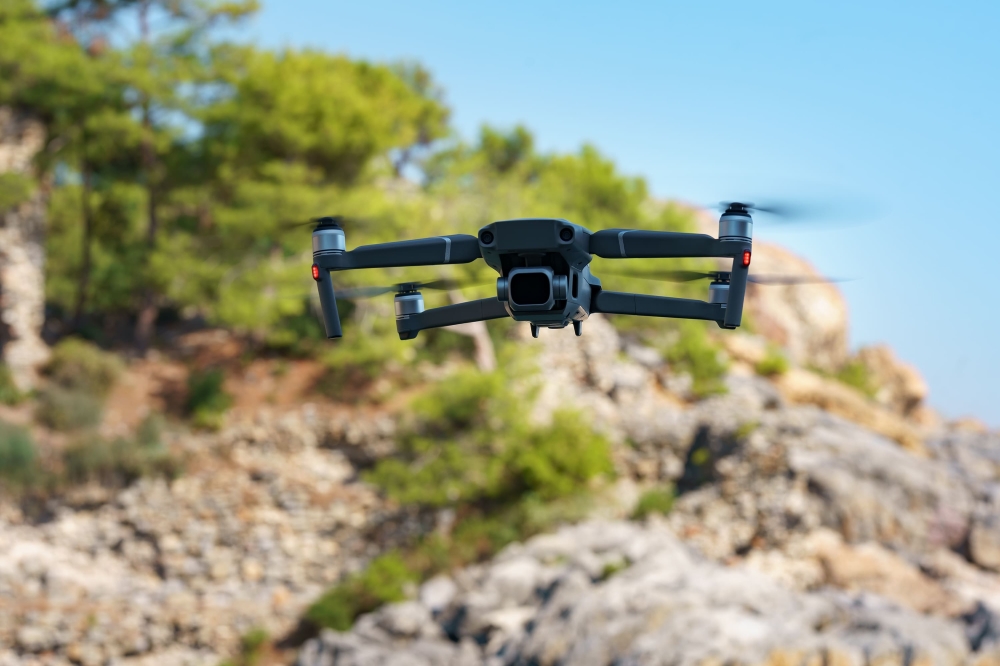
Prison authorities in Malaysia have arrested two men after intercepting an attempt to deliver contraband into Sungai Udang Prison in Melaka using a unmanned aerial vehicle, underscoring an escalating trend of sophisticated smuggling methods targeting the country's correctional facilities. The incident, detected and neutralised by the Prisons Department's vigilant security personnel, represents a notable shift in how criminal networks attempt to supply inmates with prohibited materials.
The use of drone technology to circumvent prison security represents a particularly troubling development for Malaysian correctional authorities. Historically, contraband has been smuggled through more conventional means—visitors concealing items during visitation, corrupt staff members, or items tossed over perimeter walls. The deployment of drones, however, introduces a layer of difficulty for detection and response, as these devices can operate at heights and speeds challenging for ground-based personnel to intercept. The foiled operation demonstrates that Malaysian prisons, despite their security measures, remain targets for increasingly innovative smuggling tactics.
Sungai Udang Prison, situated in the Melaka region, has been a significant correctional facility within Malaysia's prison system. The facility houses numerous inmates and maintains security protocols standard across the country's prison network. The attempted drone delivery breach represents a direct challenge to these established security frameworks and raises questions about whether current perimeter defences and detection systems are adequately calibrated to address aerial threats.
The Prisons Department's successful interception indicates that monitoring systems are functional and staff remain attentive to emerging security risks. However, the fact that such an attempt was made at all suggests that criminal elements believe penetrating prison security via drone is feasible or sufficiently worthwhile to attempt. This calculation by external actors coordinating with potential inside contacts—or simply attempting to reach any receptive inmate—underscores the economic incentives driving smuggling operations.
The nature of the prohibited items the perpetrators attempted to deliver remains a critical detail. Smuggled contraband into Malaysian prisons typically encompasses mobile phones, which enable inmates to coordinate external criminal activities; narcotics, which fuel internal prison economies; weapons or weapon components; or money. Mobile phones have emerged as particularly valuable currency within prisons, affording inmates communication capabilities their imprisonment nominally denies them. The economic model driving smuggling operations hinges largely on demand for such items among the incarcerated population.
Investigations into the arrests will likely explore whether the individuals acted independently or operated within a larger criminal network. Prison smuggling typically involves coordination between external parties and internal contacts—either inmates or compromised staff members. Establishing the full scope of involvement becomes crucial for authorities to dismantle whatever infrastructure supported the operation. Additionally, authorities will likely seek to identify whether the drone's intended destination was specific or whether the operation represented a general probe of defences.
This incident arrives amid broader discussion concerning prison security challenges across Southeast Asia. Malaysian facilities, like those throughout the region, grapple with overcrowding, limited resources for technological upgrades, and staff shortages that can create vulnerabilities. While Malaysia's prison system maintains relatively structured protocols compared to certain regional counterparts, the recurring attempts to smuggle contraband indicate persistent pressure points requiring continuous attention and investment.
The arrest sends a clear message that authorities remain committed to disrupting smuggling operations. However, prevention requires more than reactive interception. Proactive measures might include investment in drone detection systems, expansion of perimeter security infrastructure capable of addressing aerial threats, enhanced staff training to recognise unusual activity, and intelligence gathering concerning criminal networks actively engaged in prison supply chains.
For Malaysian readers and policymakers, this incident illustrates the dynamic nature of security challenges within correctional systems. As criminal methods evolve, institutional responses must similarly adapt. The successful interception at Sungai Udang demonstrates capability, yet the attempted breach itself signals inadequacy in deterrence or in making such operations sufficiently difficult to dissuade attempted breaches. Moving forward, the Prisons Department faces pressure to balance maintaining secure, humane facilities while simultaneously addressing technological innovations that circumvent traditional security approaches. The broader implications extend beyond this single facility, suggesting that prison security infrastructure nationwide may require comprehensive review and potential upgrading to address emerging threats like drone-assisted smuggling.

