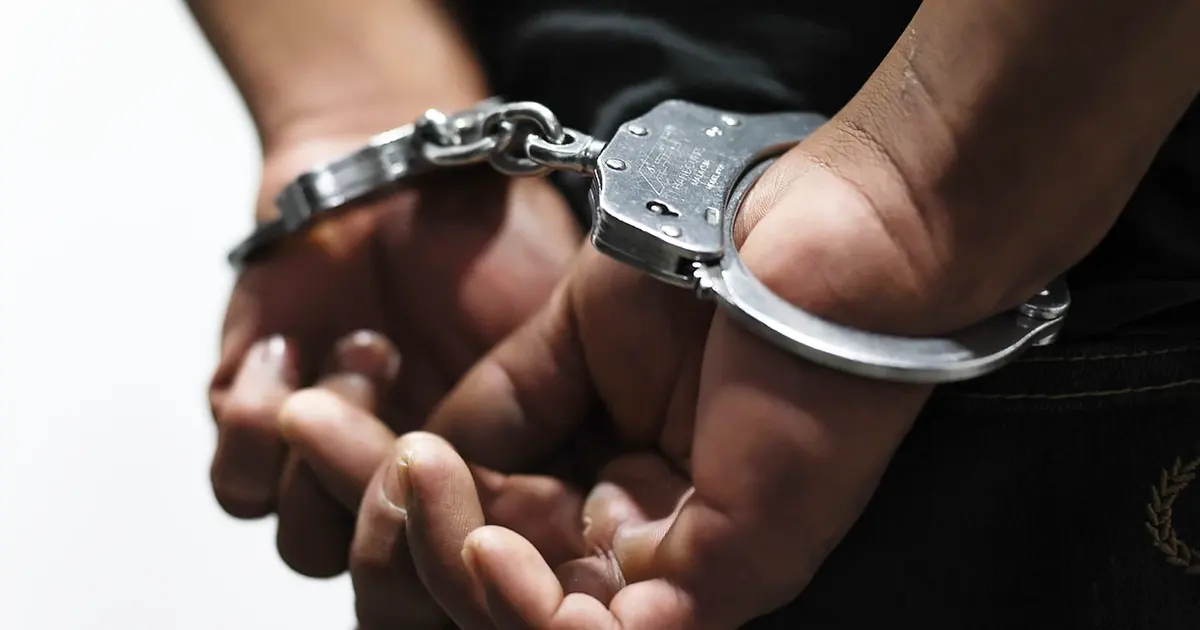
Two men are now in police custody following the fatal shooting of their hunting companion, an incident that authorities believe was an accident that spiralled into a cover-up. Investigators have concluded that the shooting was unintentional, but the subsequent decision to conceal the body rather than contact emergency services has triggered charges and raised broader concerns about accountability during field accidents involving firearms.
Police believe the tragic sequence began as an ordinary hunting outing that turned catastrophic within moments. The victim, whose identity authorities are still processing through official channels, died from gunshot wounds sustained during the expedition. Rather than immediately alerting rescue services or medical personnel, the two arrested individuals allegedly made the decision to hide the deceased in a location away from where the incident occurred. This concealment action transformed what might have been treated as a tragic mishap into a more serious criminal matter involving obstruction and failure to report.
The decision to hide evidence represents a critical juncture where panic and poor judgment compounded the tragedy. Investigators suggest that fear of legal consequences, potential misunderstanding of firearm regulations, or simply overwhelming shock may have motivated the cover-up. Such responses are not uncommon in situations involving sudden, violent death, yet they significantly complicate investigations and often result in additional charges beyond those directly related to the fatal shooting itself.
This incident underscores persistent vulnerabilities in hunting safety protocols across the region. Many Southeast Asian jurisdictions maintain relatively permissive licensing frameworks for hunting firearms, yet comprehensive safety training and enforcement mechanisms remain inconsistent. The circumstances raise questions about whether the shooters had received adequate instruction in firearm handling, proper identification of targets, and the critical importance of maintaining awareness of fellow hunters' positions at all times. These fundamentals are essential to preventing the accidental discharge that claimed this person's life.
The arrest of both men signals that authorities are treating the incident with appropriate seriousness. While the shooting itself may have been unintentional, the concealment of evidence and the deceased constitutes obstruction of justice and potentially perverting the course of justice, charges that carry substantial penalties in most Malaysian jurisdictions. The Crown will need to establish the timeline and circumstances convincingly to prosecute effectively, which may require forensic analysis, ballistic evidence, witness testimony, and careful reconstruction of events.
Families of hunting accident victims often find themselves navigating complex legal terrain while processing grief. The deceased's relatives face not only the shock of losing a loved one but also the painful realisation that companions chose concealment over honesty. This dynamic frequently fractures relationships and communities, extending the emotional damage far beyond the immediate tragedy. The investigation will likely involve detailed interviews with family members and other individuals familiar with the hunting group's dynamics and practices.
Hunting accidents, whether fatal or not, occupy a distinct category in police work because they require balancing presumptions of innocence and accident against legitimate public safety concerns. Responsible hunters argue that such incidents remain rare when proper precautions are observed, yet enforcement of those precautions varies significantly. Some regions mandate safety courses and regular licensing renewals, whilst others impose minimal requirements. This patchwork approach leaves communities vulnerable to preventable tragedies.
The decision to hide the body rather than report the incident immediately likely worsened the legal exposure considerably. In many jurisdictions, honest and timely reporting of accidents, even those involving fatalities, can significantly influence charging decisions and sentencing outcomes. By concealing evidence, the two arrested men potentially transformed their legal situation from perhaps facing charges related to negligent firearms handling into facing more serious obstruction charges. This underscores a critical gap in public understanding about the importance of prompt honesty when disasters occur.
Forward-looking, this case may prompt renewed discussions about hunting regulations within Malaysian sporting and rural communities. Advocacy groups have long called for mandatory safety certification, stricter background checks, and requirements that hunters wear high-visibility clothing and maintain detailed zone awareness. Whether this incident catalyses meaningful reform or simply becomes another cautionary tale depends partly on media attention and public engagement with the underlying issues.
The investigation into how the shooting occurred will require determining whether the victim was mistaken for game, whether firearms discipline failed, or whether some other circumstance created the fatal outcome. Each scenario carries different implications for how similar tragedies might be prevented. Police forensic teams are likely examining the weapon, ammunition, and the shooting location with meticulous care to reconstruct the precise sequence of events and establish the exact moment and manner of death.
As authorities complete their investigation and the case moves toward adjudication, the broader conversation about balancing recreational hunting access with public safety remains unresolved. This tragedy illustrates how quickly hunting outings can transform into catastrophic outcomes when safety protocols falter or when panic overrides reason in critical moments. The two arrested men now face consequences both legal and personal, whilst their community grapples with questions about preventability and responsibility that extend far beyond this single incident.

