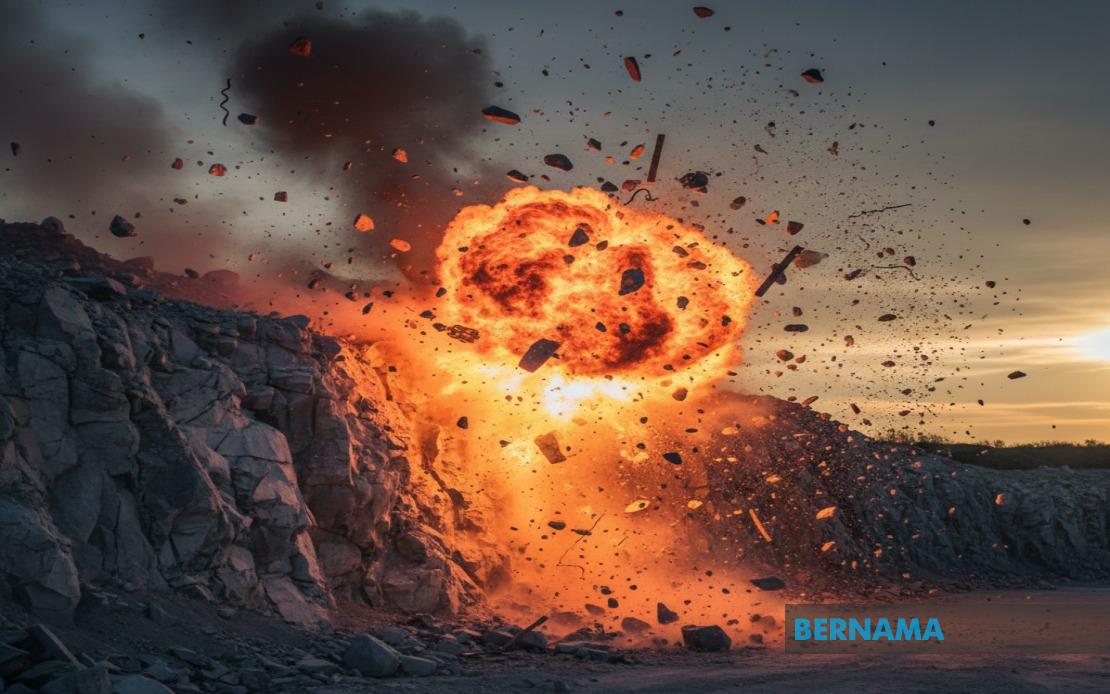
Two Malaysians injured in an improvised explosive device explosion in Thailand's Narathiwat province have successfully returned to Malaysia, the Foreign Ministry confirmed on Tuesday. The incident, which occurred on Monday in the border region, resulted in both victims being discharged from Naradhiwas Rajanagarindra Hospital and escorted safely back across the Malaysia-Thailand border at Sungai Golok-Rantau Panjang, before being transported by ambulance to a Kelantan hospital for ongoing medical treatment.
The blast happened at approximately 11.40 am local time near Sapom intersection in Tak Bai district when the two Malaysians were travelling in a sport utility vehicle. Thai authorities investigating the explosion determined that the device had been concealed in a roadside culvert, and forensic examination of the site began immediately after explosive ordnance disposal teams secured the area. The Foreign Ministry's statement emphasised that the two individuals were not believed to have been the intended targets of the attack, suggesting instead that suspected insurgent groups were responsible for the bombing.
Coordination between Malaysian and Thai officials proved crucial in facilitating the victims' safe passage home. The Consulate General of Malaysia in Songkhla worked extensively with authorities in Rantau Panjang to ensure seamless immigration clearance at the border checkpoint, streamlining bureaucratic procedures to allow the injured travellers to cross without delay. This cross-border cooperation reflected the longstanding security and diplomatic arrangements between the two nations, particularly given the sensitive security situation that has persisted in Thailand's southern provinces for decades.
The incident underscores the ongoing security concerns affecting the Malaysia-Thailand border region, where armed groups have engaged in a protracted conflict with Thai security forces. Narathiwat province, situated directly across from Malaysia's Kelantan and Terengganu states, has experienced periodic incidents of violence despite sustained military and law enforcement operations aimed at countering insurgent activities. The presence of Malaysian nationals in the area—whether for business, employment, or transit purposes—places them at potential risk from attacks that may target Thai civilians or military personnel.
Wisma Putra extended formal appreciation to the Thai government and local Narathiwat authorities for their response to the incident and their commitment to the welfare of the injured Malaysians. This diplomatic expression acknowledged Thailand's efforts in providing medical care and facilitating the smooth repatriation process, reinforcing the cooperative framework that governs bilateral relations between Kuala Lumpur and Bangkok on security matters. Such coordinated responses help maintain stability and trust in an otherwise volatile region.
In light of this incident, Malaysia's Foreign Ministry has issued renewed guidance to its citizens residing in or travelling through Thailand's southern provinces, including Narathiwat, Yala, and Pattani. Malaysians are advised to exercise heightened vigilance and prioritise personal safety at all times, avoiding unnecessary travel to known conflict zones and remaining informed about the security situation. The ministry has also instructed all Malaysian nationals to strictly adhere to safety and security directives issued by local Thai authorities, recognising that official guidance is typically based on real-time intelligence assessments.
For Malaysian business owners, workers, and traders operating in the southern Thai border zones, such advisories carry practical implications. The explosion serves as a stark reminder of the risks inherent in conducting commerce near active conflict areas, prompting many to reassess their operational security arrangements and staff protection protocols. Some businesses may implement additional measures such as varying travel routes and times, employing armed security personnel, or relocating operations further from the conflict zone.
The broader context of violence in Thailand's southern provinces reflects a complex insurgency rooted in historical, ethnic, and religious grievances spanning several decades. While the 2004 insurgency resurgence has claimed thousands of lives and displaced numerous communities, recent years have seen intermittent lulls and escalations in militant activity. The targeting of vehicles using improvised explosive devices remains a preferred tactic for insurgent groups, making any travel in the region inherently risky regardless of nationality.
Malaysia's consular presence in Songkhla, which oversees Malaysia's relations with Thailand's southern region, has become increasingly important in managing incidents involving Malaysian nationals. The consulate maintains regular communication channels with Thai provincial authorities, enabling rapid response to emergencies and facilitating diplomatic interventions when needed. This institutional infrastructure proved valuable in the swift repatriation of the injured Malaysians in this case.
Moving forward, the Foreign Ministry indicated it would continue monitoring developments through its Songkhla consulate, suggesting an expectation of potential further incidents or evolving security assessments. Malaysia's approach reflects a balance between maintaining diplomatic relations with Thailand and fulfilling its duty of care towards citizens operating across the border. The incident also highlights the importance of travel insurance and emergency medical evacuation coverage for those working in high-risk border regions.
The incident is unlikely to significantly impact overall Malaysia-Thailand relations, which have weathered numerous security challenges over the decades. Both nations have established institutional mechanisms for handling border security issues and consular emergencies, allowing them to respond professionally to such situations. However, it does reinforce the reality that the Malaysia-Thailand border remains an area where civilians face genuine security risks, and cross-border workers and travellers must maintain realistic awareness of their operating environment.

