Malaysia's Foreign Ministry confirmed on Wednesday afternoon that two of the 57 Malaysians reported missing following devastating flash floods and landslides in Nepal have been successfully traced, though 55 remain unaccounted for. The breakthrough came as authorities intensified coordination efforts between Kuala Lumpur and Kathmandu to manage what has evolved into one of the most significant overseas emergency responses for Malaysian nationals in recent memory. Datuk Syed Mohamad Hasrin Tengku Hussin, Deputy Secretary-General at the Foreign Ministry handling bilateral affairs, cautioned that while the two individuals had been identified, their details were still undergoing rigorous cross-checking to confirm their actual status and prevent information duplication.
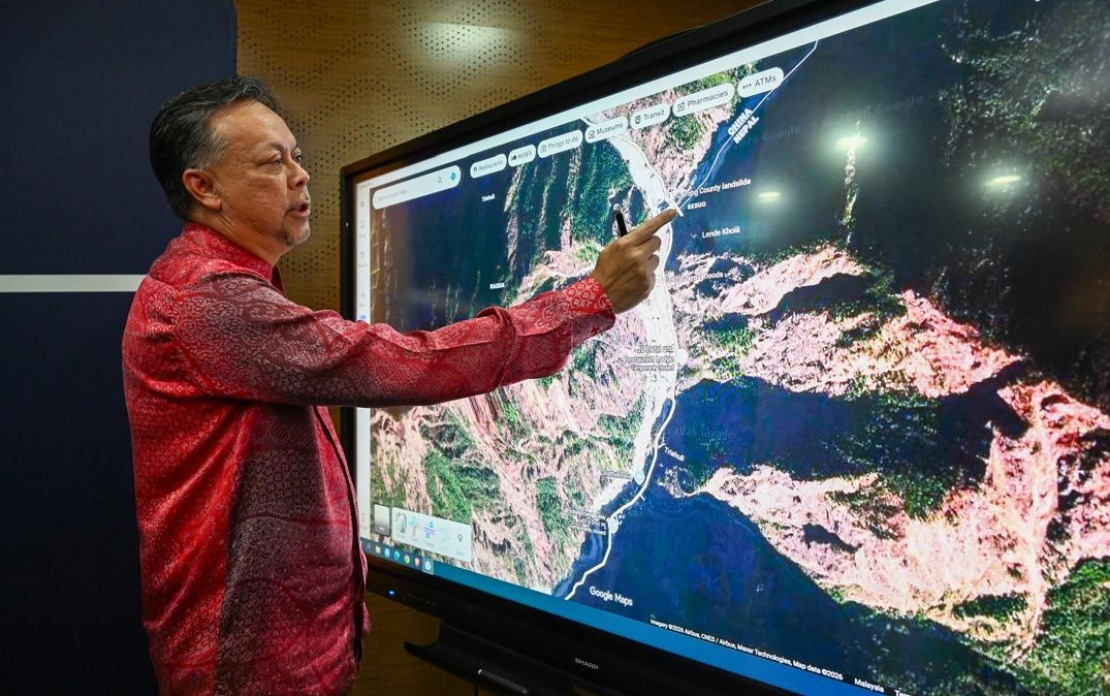
The catastrophic situation unfolded when the Bote Koshi River overflowed on August 26, triggering flash floods and landslides across the Rasua district in Nepal. The natural disaster has left a trail of destruction spanning critical infrastructure including roads, bridges, communication networks and power supply systems. These cascading failures have severely restricted movement into affected zones and critically hampered the ability of search and rescue teams to conduct systematic operations. For Malaysian authorities attempting to locate and verify the status of citizens scattered across the region, the infrastructure collapse presents an enormous logistical challenge that extends beyond simple personnel coordination.
Recognising the scale of the emergency, Foreign Minister Datuk Seri Mohamad Hasan issued direct instructions to escalate Malaysia's response capabilities. As part of this directive, a specialist official from the Malaysian High Commission in Dhaka was dispatched to Kathmandu to reinforce the embassy's stretched operations. This individual has been tasked with coordinating information flows between multiple stakeholders, monitoring rapidly evolving conditions on the ground and maintaining liaison channels with Nepalese government authorities. The decision reflects Malaysia's commitment to deploying experienced diplomatic personnel to crisis zones where standard embassy capacity proves insufficient.
The Malaysian Embassy in Kathmandu is now operating within an intricate coordination framework that extends across multiple institutions and sectors. Officials are collaborating simultaneously with the Nepalese Foreign Ministry's dedicated emergency response team, the Nepal Tourism Board, local government agencies and private tour operators. This multi-agency approach recognises that Malaysian citizens were likely dispersed throughout the affected region as tourists, trekkers and travellers rather than concentrated in a single location. Tour operators possess crucial information about client locations and itineraries, while tourism authorities maintain registries of foreign visitors, making their cooperation essential to assembling a comprehensive picture of Malaysian presence in the disaster zone.
The challenge of verification cannot be overstated. Each report received must be cross-referenced against lists provided by Nepalese authorities, internal Ministry records, and information from tour operators and family members reporting their relatives missing. This multi-source verification process exists precisely to prevent the confusion that inevitably arises during crisis situations, where duplicate reports, incorrect information and overlapping claims can proliferate rapidly. Syed Mohamad Hasrin emphasised that this painstaking approach, while time-consuming, remains essential to establishing accurate counts and avoiding the dissemination of misleading information to anxious families awaiting news.
Nepalese rescue authorities have reported that 528 individuals have been extracted from the disaster zone thus far, comprising 490 Nepalese nationals and 38 foreign citizens. Significantly, no Malaysian nationals have been identified among those rescued to date, suggesting that Malaysian citizens may have been in more isolated locations or were among those unable to reach rescue points. The figure of 55 unreachable Malaysians itself remains preliminary and subject to downward revision as information is verified against official Nepalese records and as additional survivors make contact with authorities. This fluidity in numbers reflects the genuine chaos characterising the immediate aftermath of such large-scale natural disasters.
The Malaysian Foreign Ministry activated a dedicated 24-hour operations centre in Putrajaya specifically to manage this crisis. The facility coordinates incoming information, maintains direct communication with family members and relatives seeking updates, and channels resources toward locating missing citizens. In the initial hours following the disaster's onset, the operations centre fielded between twelve and fifteen calls from concerned Malaysians attempting to confirm the whereabouts of loved ones believed to be travelling in Nepal. Each inquiry represents not merely a data point to be processed but a family confronting genuine fear and uncertainty about their relatives' safety and circumstances.
For Malaysian families grappling with the absence of information, the Foreign Ministry established a structured reporting mechanism. The ministry appeals to those with knowledge of missing Malaysians to contact the Putrajaya Operations Room by telephone at +603 8887 4570 or through email at [email protected]. Callers are requested to provide comprehensive details including full names, passport numbers, travel itineraries, last known locations and functional contact phone numbers. This specificity improves the likelihood of cross-referencing reports with official records and accelerates the verification process that remains fundamental to reliable identification.
The disaster's impact extends beyond immediate rescue operations to encompass broader implications for Malaysian travel safety in the Himalayan region. Nepal's tourism infrastructure, while generally resilient, remains vulnerable to extreme weather events that can rapidly disable communication and transportation networks. The incident underscores the risks that overseas travel, particularly to mountainous regions prone to seasonal flooding and landslides, can entail. Malaysian travellers and their families should recognise that while overseas holidays represent valuable experiences, remote locations lack the institutional response capacity available in Malaysia, and natural disasters can quickly transform pleasant journeys into emergencies requiring extended rescue efforts.
The situation also highlights the limitations inherent in disaster response across international borders. Nepalese authorities, themselves managing enormous domestic casualties and infrastructure damage, must simultaneously accommodate requests from multiple foreign governments seeking information about their citizens. These competing demands stretch resources and create inevitable delays in information gathering and dissemination. Syed Mohamad Hasrin acknowledged this reality candidly, noting that Nepalese officials were preoccupied with responding to their own affected population and that the infrastructure destruction—severed roads, collapsed bridges, and disabled communication systems—created genuine operational barriers to comprehensive search efforts.
Weather conditions compound these challenges significantly. Search and rescue operations in mountainous terrain remain weather-dependent, and the seasonal patterns that produced the flooding cannot be instantly reversed. Teams operating in affected zones face constraints from ongoing precipitation risks, unstable ground conditions and the possibility of secondary disasters. These physical realities mean that even with full political commitment and ample resources, rescue operations proceed at speeds dictated by environmental conditions rather than the urgency families feel. For the 55 Malaysians whose status remains unknown, each day without contact extends the psychological burden on their relatives back home.
The Ministry's operations room remains primed to receive additional information as the situation evolves and as survivors gradually regain access to communication networks. Given that some Malaysian citizens may be in remote areas where phone signals remain disrupted or may have been injured and hospitalised with delayed identity verification, the count of located individuals may gradually increase as normalcy returns to Nepal's affected regions. However, the coming days and weeks represent a critical window for search and rescue operations, making the coordination efforts undertaken by Malaysian diplomatic personnel in Nepal of extraordinary importance to determining outcomes for the 55 citizens whose fates remain uncertain.

