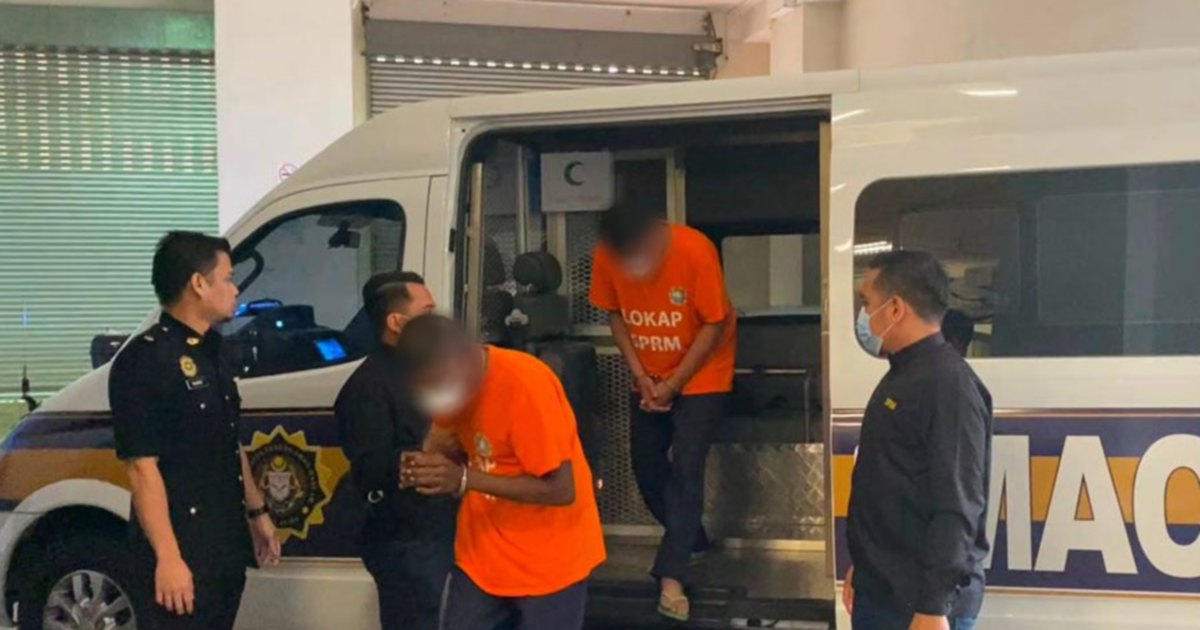
Law enforcement authorities in Kuantan have taken two members of the highway patrol division into custody following allegations that they demanded monetary payments from motorists in exchange for overlooking traffic violations on the East Coast Expressway 2. The incident marks another case of alleged misconduct within the force, underscoring persistent integrity concerns that authorities have struggled to address across multiple jurisdictions.
The two officers are accused of exploiting their regulatory authority on LPT2, one of Malaysia's crucial transport arteries connecting the Klang Valley to the northern and central regions of Peninsular Malaysia. The expressway experiences heavy daily traffic, particularly commercial vehicle movement, which provides numerous opportunities for police to enforce traffic regulations. Investigators allege the officers systematically solicited payments from drivers caught violating traffic rules, offering to release them without formal action or penalty in return for cash.
This form of corruption represents a particularly damaging breach of public trust. Officers tasked with ensuring road safety and regulatory compliance instead become parties to law-breaking, effectively creating a parallel enforcement system where compliance depends on financial capacity rather than adherence to regulations. For ordinary motorists and transport operators, such arrangements create uncertainty about the consistency and fairness of traffic enforcement.
The East Coast Expressway 2, stretching across multiple states, handles millions of vehicle movements annually and serves as a vital logistics corridor for the region's economy. When enforcement personnel become complicit in bribery schemes, road safety standards may deteriorate as traffic violations go unrecorded and unaddressed, potentially contributing to accident risks. Commercial operators, who often face such solicitations, must factor these unofficial costs into their operations, effectively imposing a hidden tax on legitimate business activity.
Investigations into police corruption have intensified in recent years following growing public complaints and media reports documenting various forms of misconduct. The Royal Malaysia Police has periodically announced internal reforms aimed at strengthening integrity mechanisms, yet cases continue to emerge from different departments and states. Each incident erodes public confidence in law enforcement, particularly among those who interact frequently with police through routine traffic stops and permit checks.
The remand process will determine the extent of the alleged scheme and whether additional officers or systematic patterns of corruption emerge during questioning. Authorities typically investigate whether the officers operated independently or as part of a broader network, how long the alleged activity persisted, and what total sums may have changed hands. Such details often reveal whether corruption was isolated opportunism or institutionalised practice within specific units.
For Malaysian drivers and transport operators, especially those regularly using major expressways, such arrests raise questions about recourse when facing improper demands from officers. Formal complaint mechanisms exist but often involve lengthy processes and require documentation that drivers may lack in roadside situations. The power imbalance in such encounters—where officers can threaten summonses, vehicle impoundment, or other enforcement actions—creates practical obstacles to resistance.
International observers have noted that corruption within law enforcement can undermine broader governance and economic development objectives. When citizens perceive that regulations apply inconsistently based on ability to pay unofficial charges, respect for legal systems diminishes. In Malaysia's competitive regional context, where investors assess institutional quality and rule of law, such incidents carry implications beyond individual cases.
The disciplinary and criminal processes now underway will test whether the police force's internal accountability mechanisms function effectively. Outcomes will signal to both serving officers and the public whether misconduct carries genuine consequences. Previous cases have shown mixed results, with some personnel facing dismissal and prosecution while others received lighter penalties, creating perception of inconsistent standards.
Regional road safety organizations have emphasised that effective enforcement requires officer integrity, as corruption inevitably reduces traffic compliance and increases accident risks. When drivers calculate that they can resolve violations through payments rather than behaviour modification, overall safety metrics suffer. Expressway operators have noted that enforcement consistency directly correlates with compliance rates among regular users.
The incident also highlights vulnerability in enforcement structures where individual officers operating in remote or less-supervised settings may calculate that benefits from corruption outweigh risks. The LPT2, with its considerable length and multiple patrol points, may present particular challenges for supervision and accountability. Recommendations for addressing such vulnerabilities have included increased use of traffic cameras, GPS monitoring of enforcement activity, digital penalty systems with automatic trails, and rotation of officers to prevent entrenchment in particular patrol zones.
Moving forward, the cases against these two officers will likely influence discussions about necessary reforms within highway patrol divisions across Malaysia. Whether this represents an isolated incident or symptom of systemic problems within the unit remains to be determined through investigation and subsequent judicial proceedings.

