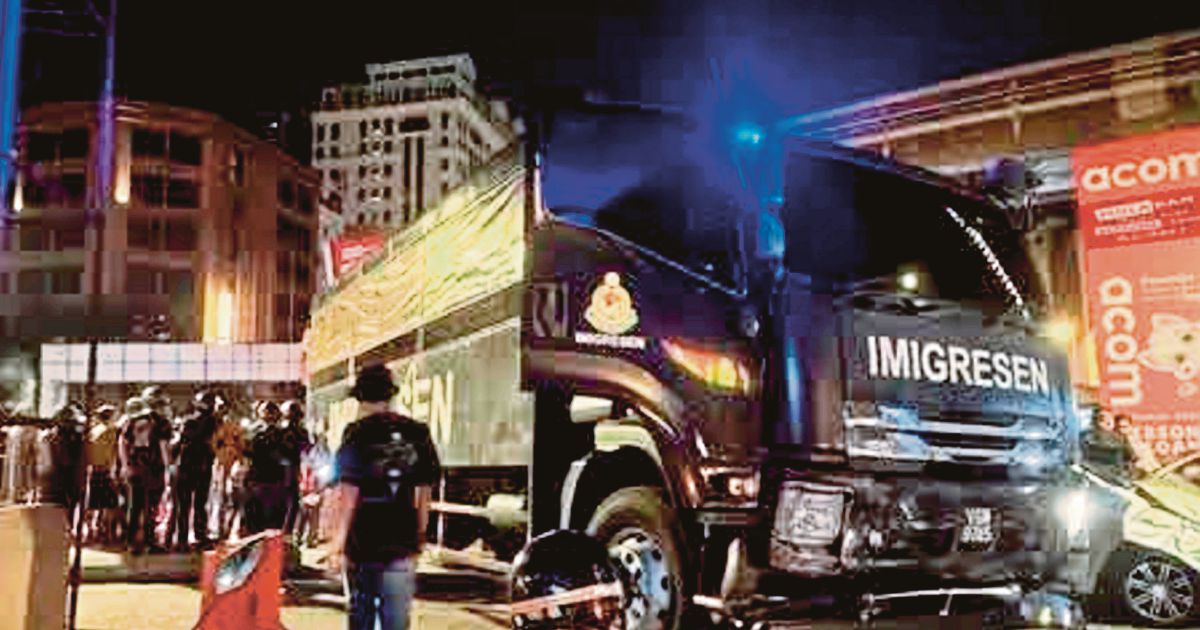
Authorities in Kuala Lumpur have placed two drivers in police custody as part of their ongoing inquiry into a devastating road accident that claimed three lives along Jalan Sultan Ismail in the early hours of the morning. The crash involved a vehicle belonging to the Immigration Department and resulted in the deaths of a father alongside his two young daughters, marking a tragic loss for the affected family and raising fresh concerns about road safety in the capital's busy thoroughfares.
The remand decision follows standard investigative protocol in fatal traffic incidents where multiple vehicles are involved. Police typically seek extended detention of drivers to gather comprehensive statements, reconstruct the sequence of events leading to the collision, and determine contributing factors such as speed, visibility conditions, and any mechanical failures. The involvement of an official government vehicle adds another layer of complexity to the inquiry, as authorities must examine whether departmental procedures and vehicle maintenance standards were properly observed.
Jalan Sultan Ismail, which runs through central Kuala Lumpur connecting major commercial and administrative districts, regularly experiences heavy traffic congestion particularly during peak hours and the early morning period. The corridor hosts numerous government buildings, hotels, shopping centres, and corporate offices, making it one of the capital's most frequented routes. Traffic incidents on this artery frequently cause significant disruptions and serve as reminders of the persistent road safety challenges facing Malaysian cities experiencing rapid urbanisation and increasing vehicle volumes.
The circumstances surrounding the accident remain under active investigation, with detectives working to establish the precise sequence of movements that led to the collision. Witness statements, traffic camera footage, and vehicle data recorders will likely play crucial roles in determining liability and identifying any preventive measures that could have avoided the tragedy. The thoroughness of such inquiries is particularly important when fatalities involving children are involved, as they typically attract enhanced scrutiny from both law enforcement and the public.
Road fatalities involving family units represent a particularly painful category of traffic accidents, often prompting broader discussions about enforcement of safety regulations and driver conduct. Malaysia's traffic fatality rates have remained a persistent public health concern, with thousands of deaths annually on roads nationwide. Each such incident underscores the importance of rigorous adherence to speed limits, proper vehicle maintenance, and driver alertness, especially on high-speed urban corridors like Jalan Sultan Ismail.
The Immigration Department, as a government entity operating vehicles for official purposes, maintains specific protocols for fleet management and driver requirements. Questions may arise regarding whether drivers possessed appropriate licences for the vehicle classification, whether mandatory safety briefings were current, and whether the lorry was subject to regular roadworthiness inspections. These considerations form part of the broader institutional accountability framework that the police investigation will necessarily address.
From a procedural standpoint, the remand period allows investigators to conduct forensic analysis of both vehicles, interview witnesses comprehensively, and review any available electronic evidence from the scene. The two drivers' statements will be cross-referenced to establish whether any discrepancies exist in their accounts of the incident. Additionally, investigators will examine whether either driver was fatigued, distracted, or under the influence of substances that might have impaired judgment and reaction times.
The involvement of a government vehicle in a fatal accident inevitably attracts scrutiny beyond normal traffic incidents. The Department of Immigration may face calls to review its fleet safety practices and driver training standards to prevent similar occurrences. Such incidents can prompt broader policy discussions about whether government agencies are adequately equipped to manage their vehicle fleets according to contemporary safety standards and best practices observed in other jurisdictions.
For Malaysian road users, this tragedy reinforces the unpredictable nature of urban traffic hazards and the irreversible consequences of momentary lapses in driver attention or compliance with safety regulations. Family members and relatives of the deceased face not only the immediate shock and grief of losing loved ones but also the longer process of navigating post-accident administrative and legal procedures, including potential civil liability claims and compensation discussions.
As the police investigation unfolds over the coming days, the remanded drivers will likely face further questioning as detectives piece together the accident timeline. The outcome of this inquiry may yield recommendations for enhanced safety measures on Jalan Sultan Ismail and potentially influence policy discussions regarding commercial and government vehicle operations within urban centres. Meanwhile, the affected family's loss serves as a stark reminder of road safety's critical importance in Malaysia's ongoing efforts to reduce traffic fatalities and protect public safety across all transportation networks.

