A fatal collision between two vessels near the Sungai Mersing estuary in Johor claimed two lives and left four others hospitalised on Saturday evening. The incident occurred at approximately 9:04 pm, prompting swift deployment of emergency services to the affected waterway. The Fire and Rescue Department's Operations Control Centre fielded an urgent distress call and immediately dispatched rescue personnel to secure the area and attend to casualties.
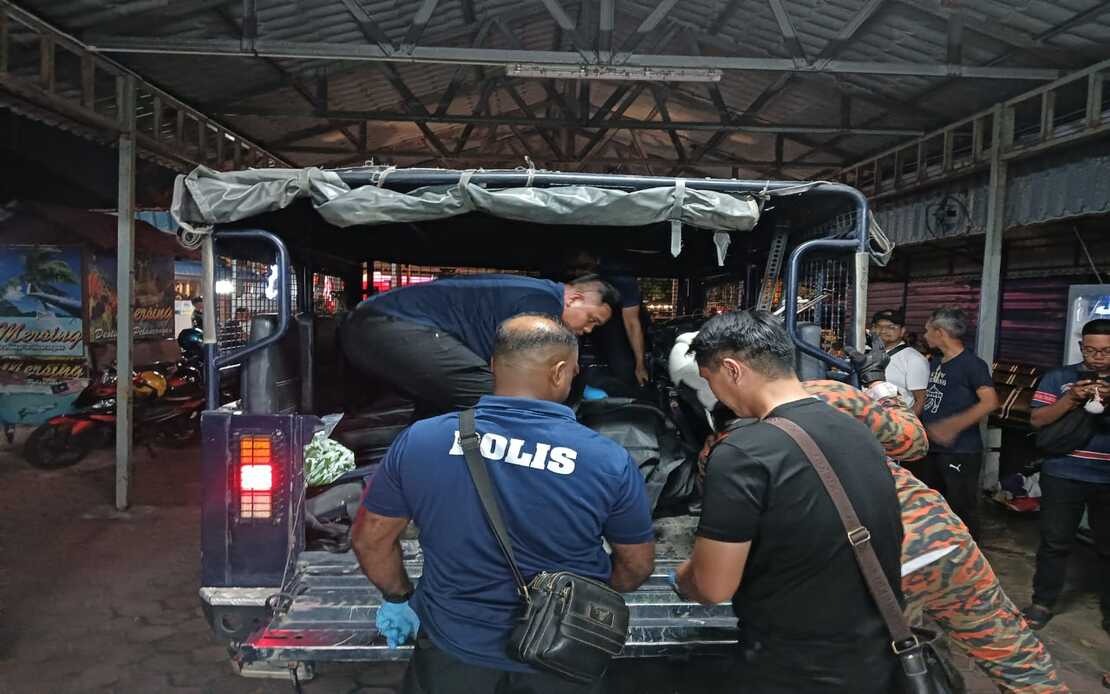
Responders from the Mersing Fire and Rescue Station mobilised a Fire Rescue Tender and a Fire Response Vehicle carrying nine personnel to the Mersing Jetty, where the collision had unfolded. Upon arrival, the operational team confirmed that two vessels had indeed collided and began extracting victims from the water and damaged boats. Medical personnel at the scene pronounced two victims deceased, with their remains subsequently transferred to police custody for formal identification and further processing.
The four surviving victims sustained injuries of varying severity from the impact and subsequent water exposure. All four received immediate medical intervention at the scene before being conveyed to medical facilities for ongoing treatment and assessment. The nature and extent of their injuries have not been disclosed publicly, though authorities indicated that rescue operations continued into the evening as teams secured the vessels and conducted preliminary investigations into the circumstances surrounding the collision.
The Mersing District Police Chief Supt Abdul Razak Abdullah Sani acknowledged the incident and confirmed that a formal investigation has been initiated into the circumstances leading to the collision. Police personnel gathered evidence and witness testimony at the scene while maritime authorities began examining factors that may have contributed to the accident. The police chief indicated that a comprehensive media statement detailing investigative findings would be released following the completion of initial inquiries.
Boating incidents along Malaysia's coastal and estuarine waterways remain a persistent safety concern, particularly as recreational and commercial water traffic intensifies during peak seasons. The Sungai Mersing estuary, which feeds into the South China Sea near this popular Johor destination, sees considerable vessel movement including fishing boats, tourist ferries, and pleasure craft. Environmental factors such as tidal conditions, visibility, and weather patterns in estuarine environments can significantly elevate collision risks, especially during evening hours when natural light diminishes.
This tragedy underscores the critical importance of adherence to maritime safety protocols and proper navigation procedures within congested waterways. Vessel operators, regardless of whether they are engaged in commercial or recreational activities, bear responsibility for maintaining appropriate speeds, maintaining vigilant lookout, and understanding navigational rules designed to prevent such devastating incidents. The proximity of the collision to the Mersing Jetty, a busy hub for water-based activities, suggests that the area experiences substantial traffic that demands heightened awareness from all maritime users.
Emergency response capabilities in coastal districts like Mersing have proven instrumental in minimising casualties during maritime emergencies. The rapid deployment of trained personnel and specialised equipment demonstrates the importance of maintaining well-equipped fire and rescue stations throughout peninsular Malaysia's maritime zones. However, prevention remains more effective than response, necessitating ongoing investment in navigation aids, vessel safety inspections, and comprehensive maritime education for operators of all vessel types.
For the Mersing community and the broader tourism sector in the region, such incidents raise questions about safety protocols governing commercial water transport and recreational boating activities. Tourist destinations along Johor's east coast depend on public confidence in maritime safety to sustain their economic viability. This collision may prompt fresh scrutiny of vessel maintenance standards, crew training requirements, and operational procedures among water transport providers serving the region.
The investigation into this collision will likely examine vessel maintenance records, operator credentials, weather conditions at the time of impact, navigational aids available to the operators, and whether any violations of maritime regulations occurred. Such inquiries often reveal systemic issues that can be addressed through policy adjustments or enhanced enforcement of existing safety regulations. Authorities may also consider whether additional safety measures or infrastructure improvements are warranted at the Sungai Mersing estuary given its strategic location and volume of vessel traffic.

