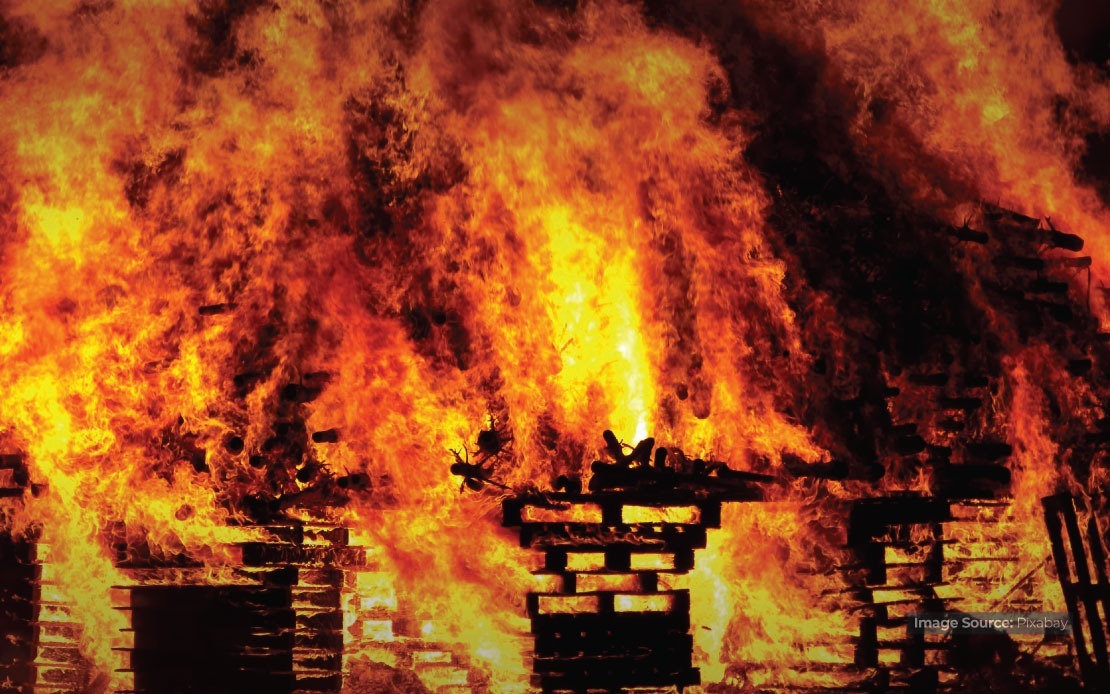
A devastating fire swept through a residential building in Schaerbeek, within the Brussels-Capital Region, during the early hours of Sunday morning, resulting in two fatalities and eight injuries, according to statements from local authorities and the Brussels Fire Brigade. The incident represents a significant emergency event for the densely populated district, which serves as home to thousands of residents across multiple residential complexes.
The injured victims were immediately transported to hospitals throughout the Brussels-Capital Region following the outbreak. Of the eight people hurt, two were reported to be in serious condition, with medical teams focusing intensive care efforts on their recovery. The emergency response was swift, with regional medical facilities coordinating to distribute the injured across several institutions to ensure adequate specialist care and treatment capacity.
Municipal authorities moved quickly to manage the crisis situation. Schaerbeek's acting Mayor, Martin de Brabant, activated the municipal emergency phase, triggering a coordinated response across local government departments and emergency services. This escalation allowed for rapid mobilisation of municipal resources to address both immediate safety concerns and the longer-term needs of those affected by the disaster.
Evacuation operations proceeded systematically as firefighters worked to secure the building and prevent further casualties. Municipal services were deployed to receive residents who had been forced to leave their homes, with particular attention paid to providing temporary shelter and accommodation for those displaced by the fire. The coordination between emergency responders and municipal authorities underscored the importance of established disaster protocols in managing large-scale residential incidents.
The investigation into the fire's origin remains ongoing, with authorities unable to determine the precise cause at this early stage. The public prosecutor's office has taken charge of the inquiry, appointing both a specialist laboratory team and an independent expert to examine the fire scene thoroughly. This multi-disciplinary approach reflects the gravity with which Belgian authorities treat fatal residential fires, aiming to establish the circumstances that led to the tragedy.
Psychological and material support has become a priority for both municipal and emergency services. Beyond the immediate medical response, authorities recognise that residents affected by such incidents require comprehensive assistance spanning medical care, psychological counselling, and material aid to rebuild their lives. De Brabant and Fire Brigade representatives emphasised that municipal and emergency services are committed to providing holistic support to all individuals impacted by the disaster.
Residential fires remain a persistent challenge across European urban centres, where older apartment buildings and varied construction standards create distinct fire safety considerations. The incident in Schaerbeek highlights the vulnerability of densely populated residential areas and the importance of maintaining robust emergency response capabilities. For Malaysian readers familiar with urban living in Kuala Lumpur, Penang, and other major cities, such incidents underscore the relevance of fire safety standards and evacuation procedures in residential complexes across different nations.
The Brussels-Capital Region has faced previous significant fires, making this incident part of a broader pattern that regulators and urban planners monitor closely. Building codes, fire detection systems, and emergency protocols continue to evolve based on lessons learned from such tragedies. The investigation's findings will likely inform future recommendations regarding residential fire safety standards across Belgium and potentially influence best practices throughout the European Union.
For the wider Southeast Asian context, particularly in Malaysia where rapid urban development continues, the Brussels fire serves as a sobering reminder of the importance of rigorous enforcement of building codes and fire safety regulations. Investment in modern detection systems, regular safety audits, and comprehensive evacuation planning can significantly reduce casualty rates during residential emergencies. The coordination demonstrated by Brussels authorities between municipal services, fire brigades, and public prosecutors provides a model for emergency response that transcends geographical boundaries.
The coming weeks will reveal more details as laboratory analysis progresses and the expert investigation deepens. Authorities anticipate that the examination of physical evidence and witness accounts will illuminate the sequence of events leading to the fire. Meanwhile, the affected residents face the challenging process of recovering from displacement and trauma, with municipal support systems in place to assist their transition back to normal life or relocation as circumstances permit.

