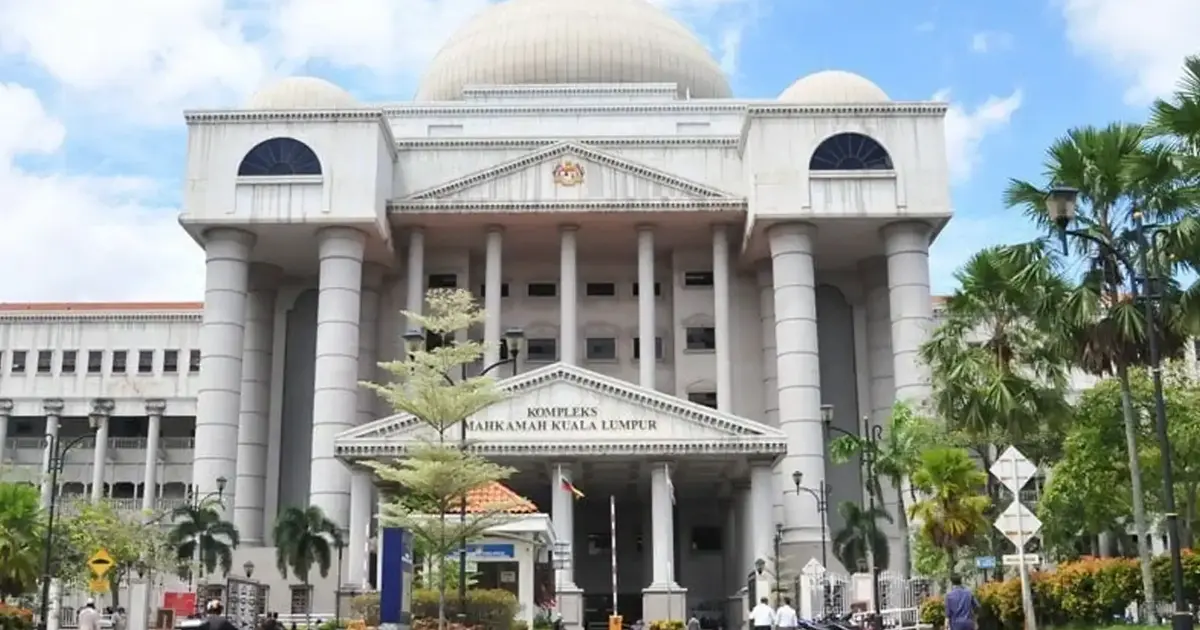
The High Court has delivered a significant judgment clarifying procedural flexibility in intellectual property disputes, ruling that a modest delay in serving legal documents does not necessarily derail trademark applications. The decision hinges on a critical distinction between mandatory and directory requirements in civil procedure, a principle with far-reaching implications for parties navigating Malaysia's intellectual property system.
The case centred on whether strict compliance with timing requirements for serving counterstatements—responses to opposition against a trademark application—constitutes an absolute bar to proceeding. The judge determined that the 'same time' requirement, which ordinarily requires counterstatements to be filed and served simultaneously, operates as a directory provision rather than a mandatory one. This means that technical non-compliance does not automatically result in dismissal or forfeiture of rights, provided the non-compliance does not cause material prejudice to the opposing party.
Understanding this distinction is crucial for Malaysian businesses and legal practitioners engaged in trademark prosecution and enforcement. Mandatory requirements are strictly enforced with no room for deviation; breaching them typically results in automatic invalidation of proceedings or applications. Directory requirements, by contrast, are procedural guidelines designed to regulate the orderly conduct of proceedings. Courts may excuse minor breaches of directory requirements if substantial justice is served and no party is prejudiced by the deviation.
The High Court's approach reflects broader international trends in intellectual property jurisprudence, where courts increasingly balance strict procedural adherence against substantive fairness. This pragmatic stance recognizes that intellectual property rights, once granted, have significant economic value for legitimate owners. Penalizing applicants excessively for minor procedural slips—particularly when no prejudice results—can lead to unjust outcomes and creates perverse incentives for opponents to exploit technical defects rather than challenge applications on substantive merit.
For trademark applicants in Malaysia, this ruling provides welcome reassurance that applications will not collapse due to minor administrative oversights. However, the judgment also contains important caveats. Courts will still scrutinize delays to determine whether they were deliberate, whether they caused prejudice to the opposing party, and whether the applicant has acted with reasonable diligence throughout the process. A two-day delay may be readily excused, but a more substantial delay might invite different judicial consideration.
The decision also carries implications for trademark owners seeking to oppose applications. The ruling suggests that merely identifying technical procedural breaches will not guarantee success in opposition proceedings. Instead, opponents must demonstrate either that the breach caused material prejudice to their position or that it represents part of a pattern of dilatory or bad-faith conduct. This shifts focus away from procedural gamesmanship toward substantive assessment of whether the contested trademark application should succeed on its merits.
For Southeast Asian readers, this judgment reflects evolving attitudes within the region's intellectual property frameworks. Malaysia's approach increasingly mirrors principles adopted by other developed economies and international intellectual property bodies, which emphasize that procedural requirements should serve the broader goal of protecting genuine intellectual property rights rather than creating technical traps for applicants. This alignment enhances predictability and fairness in the region's IP ecosystem, benefiting both domestic and foreign businesses conducting trademark operations across multiple jurisdictions.
The High Court's reasoning also touches on the principle of proportionality in judicial review. A two-day delay in serving a counterstatement causes minimal practical inconvenience to an opponent, who has ample opportunity to prepare a substantive response. Allowing such technical breaches to invalidate an application entirely would constitute a disproportionate sanction, particularly where the applicant can demonstrate good faith compliance with the substantive requirements and timeline expectations. This principle increasingly influences how Malaysian courts interpret procedural rules across multiple areas of law.
Practitioners advising clients on trademark strategy must now factor this ruling into their assessments of risk. While the decision provides flexibility for minor deviations, this should not encourage complacency about procedural compliance. The safer approach remains strict adherence to published rules and timelines, but applicants facing technical difficulties can now proceed with greater confidence that minor inadvertent breaches will not automatically prove fatal.
The judgment also has implications for the Intellectual Property Office of Malaysia's administration of the trademark registry. Courts have now signaled that they will not automatically invalidate applications merely because of small procedural gaps, placing greater responsibility on the office and on courts to focus on substantive examination and adjudication. This aligns with modern practices where IP offices worldwide increasingly adopt risk-based approaches to procedural compliance, prioritizing examination of substantive grounds for refusal or opposition over technical procedural perfection.
Looking forward, this ruling may prompt amendments to procedural rules or guidance notes issued by the IP office or the courts. Clarifying which requirements are genuinely mandatory versus directory would reduce future litigation over procedural technicalities and allow courts and the registry to concentrate resources on substantive intellectual property assessment. Such clarification would benefit the entire Malaysian business community, particularly small and medium enterprises that lack sophisticated in-house legal expertise.
The High Court's decision ultimately reflects a mature approach to intellectual property administration, where technical perfection does not overshadow substantive justice. For businesses with legitimate trademarks to protect or register, this ruling offers reassurance that administrative systems operate with reasonable flexibility while maintaining the integrity of trademark rights protection.

