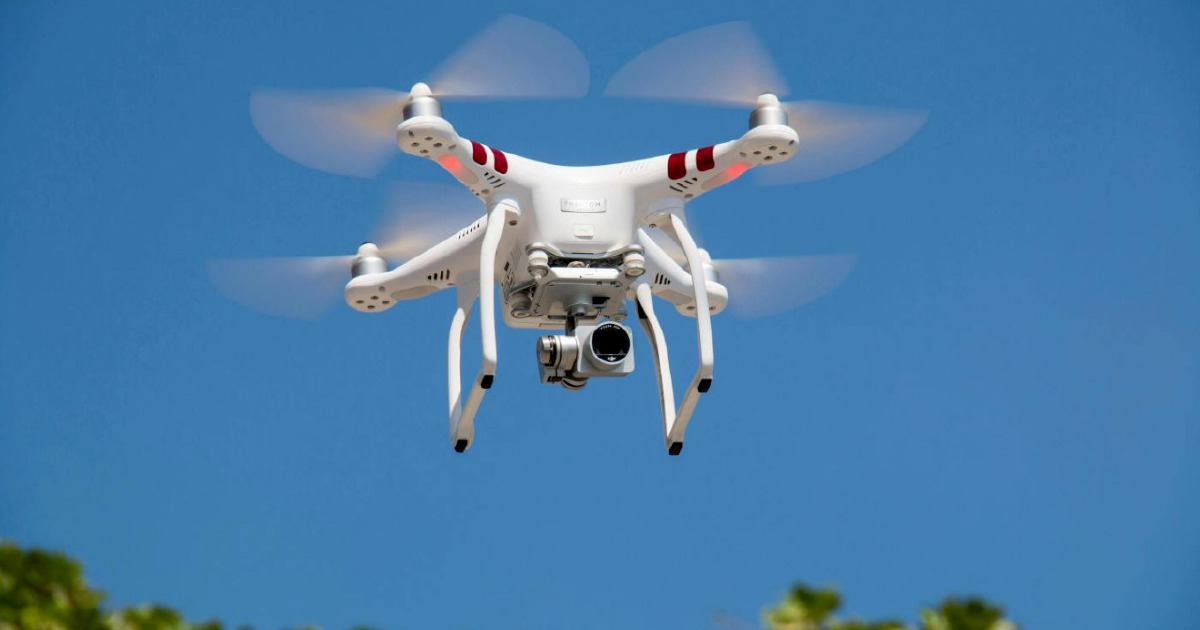
Police in Melaka have apprehended two individuals in connection with an audacious scheme to deliver contraband tobacco to prisoners at Sungai Udang Prison using a drone. The arrests emerged from a coordinated law enforcement operation executed on Wednesday at a private residence located in Taman Kris Satria, also in the Sungai Udang district. The incident underscores the increasingly creative methods that criminal networks employ to circumvent security measures at correctional facilities.
The use of unmanned aerial vehicles to smuggle items into prisons represents a growing concern for facility administrators across Malaysia and the broader region. These remotely controlled devices offer smugglers a distinct tactical advantage, allowing them to bypass conventional security checkpoints and perimeter fences that guard entry points. The accessibility and relative affordability of commercial-grade drones have made them an attractive tool for individuals seeking to supply inmates with prohibited goods, ranging from narcotics to tobacco products.
Tobacco smuggling into Malaysian correctional institutions reflects the persistent demand for such commodities among the incarcerated population, despite official restrictions. Prison authorities have long grappled with managing contraband flows, as inmates and their associates seek to obtain prohibited items that command premium prices within secured facilities. The illicit market for tobacco within prisons creates financial incentives strong enough to motivate outside accomplices to devise increasingly sophisticated delivery mechanisms.
The Sungai Udang facility, one of Melaka's primary correctional establishments, maintains security protocols designed to intercept conventional smuggling methods involving visitors, deliveries, or staff complicity. However, the three-dimensional nature of aerial delivery presents novel enforcement challenges that existing perimeter security may not have been optimally designed to counter. Authorities have only recently begun implementing systematic countermeasures against drone-based incursions, suggesting that prisons across Malaysia may be vulnerable to similar attempts.
The investigation and subsequent arrests indicate that law enforcement agencies are enhancing their vigilance regarding unmanned delivery systems targeting correctional institutions. The Wednesday raid demonstrates proactive intelligence-gathering and swift operational response when smuggling conspiracies are detected. Such enforcement actions serve as deterrents to other individuals contemplating similar schemes, though the fundamental supply-demand dynamics fuelling contraband markets remain largely unchanged.
The broader implications of this incident extend beyond the immediate case. As drone technology becomes more prevalent and user-friendly, criminal organisations may increasingly exploit such capabilities for prison contraband operations. This tactical evolution necessitates that prison management authorities, in consultation with law enforcement agencies, develop more sophisticated detection and interdiction systems. Current security infrastructure at many facilities predates widespread drone availability and may require substantial upgrade investment to effectively counter airborne threats.
The arrest of the two individuals involved in the Sungai Udang operation initiates a legal process that will determine culpability and establish appropriate penalties. Depending on the jurisdiction's applicable statutes governing prison contraband offences and conspiracy charges, the defendants potentially face considerable sentencing exposure. Such prosecutorial outcomes reinforce the legal consequences attendant to attempting to supply inmates with prohibited items.
From a regional perspective, Malaysia's experience with drone-facilitated prison smuggling mirrors challenges confronting correctional systems throughout Southeast Asia. Thailand, Indonesia, and the Philippines have all reported similar incidents involving unmanned aerial deliveries to detention facilities. This convergence of criminal methodologies across multiple jurisdictions suggests a need for enhanced information-sharing and coordinated security protocols among regional prison administrators and law enforcement authorities.
The Melaka Police's successful interdiction of the smuggling attempt reflects institutional capacity to detect and respond to emerging threats within the correctional system. However, the fact that such an operation was attempted indicates that perpetrators perceived a reasonable likelihood of success, implying that security gaps may persist. Facility administrators will likely undertake enhanced security reviews following this incident to identify vulnerabilities and implement additional protective measures targeting aerial infiltration attempts.
Looking forward, the resolution of this case may prompt policy discussions at both state and federal levels regarding standardised responses to drone-based prison contraband threats. Technology providers may also be engaged to develop detection systems capable of identifying unmanned aerial vehicles approaching correctional facilities, with integration into existing security infrastructures. The incident serves as a tangible reminder that prisons face evolving threats requiring continuous adaptation of security strategies and investment in emerging counter-technology capabilities.
For the general public and incarcerated individuals' families, the case highlights the serious criminal consequences associated with attempting to supply contraband to prisoners. While sympathies may exist for certain inmates or their relatives, legal systems consistently prosecute and penalise contraband smuggling to maintain institutional order, security, and rehabilitation objectives. The consequences extend beyond individual defendants to affect facility operations and resource allocation throughout the correctional system.

