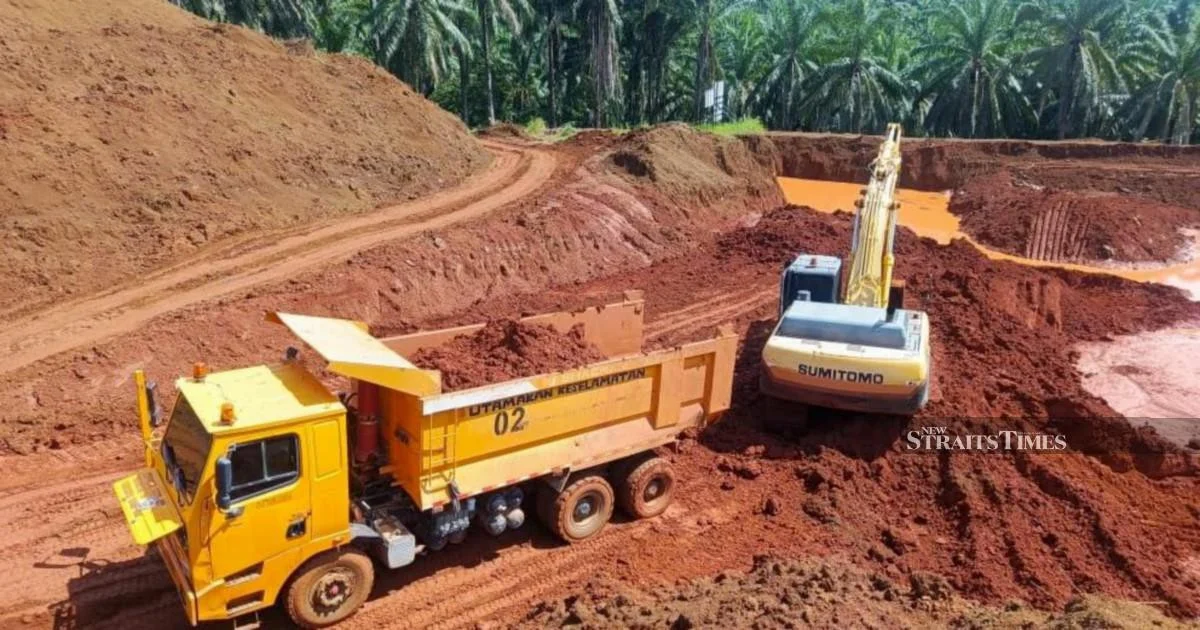
Authorities in Terengganu have moved against a suspected illegal silica sand smuggling operation, apprehending two men in Marang during an enforcement action yesterday. The arrests represent part of an expanding crackdown on unauthorised mineral extraction and transfer activities across Malaysia's east coast, where demand for silica sand in construction and industrial applications has created lucrative black-market conditions.
The scale of assets seized underscores the financial stakes involved in these illicit operations. Equipment and machinery confiscated during the raid carried a combined valuation of RM1.8 million, suggesting a relatively sophisticated setup capable of processing and moving substantial quantities of the mineral. The value of equipment seizures often indicates the operational capacity of such networks, with larger machinery suggesting higher volumes of material moved through illegal channels.
Silica sand, essential for glass manufacturing, foundry work, and construction applications, remains subject to strict licensing and regulatory oversight in Malaysia. The mineral's versatility makes it commercially valuable, yet its extraction and transfer require proper permits and adherence to environmental standards. Unauthorised operations circumvent both controls, creating enforcement challenges for authorities responsible for monitoring mineral resources.
The Marang location carries particular significance given Terengganu's geography and proximity to established sand deposits. The state's coastal and riverine landscapes have historically attracted both legitimate mining operations and clandestine extraction efforts. Criminal networks exploit geographic advantages to establish transfer points that move material toward processing facilities or export routes before regulatory oversight can intervene.
Enforcement efforts against illegal sand operations have intensified across Southeast Asia, driven by concerns over environmental degradation, revenue loss, and the financing of organised crime networks. Malaysia's authorities increasingly recognise connections between resource-trafficking operations and broader criminal ecosystems. Silica sand smuggling, whilst sometimes perceived as lower-priority compared to drug trafficking, frequently involves the same syndicate structures and corruption networks that facilitate other contraband movements.
The two-man arrest reflects typical operational structures within these networks, where smaller teams conduct ground-level activities while larger organisations coordinate logistics and market access. Investigators will likely pursue connections to broader criminal organisations, examining how materials were sourced, processed, transported, and ultimately distributed to buyers across Malaysia or beyond.
Terengganu's enforcement agencies have previously targeted illegal mining and quarrying activities, recognising the economic impact of unregulated resource extraction on legitimate businesses and state revenues. Mining licences generate government income whilst providing regulated employment, yet illegal operations undercut legitimate operators whilst depriving the state of tax revenue. This economic argument drives policy focus alongside environmental protection concerns.
The timing of the arrest reflects ongoing surveillance and intelligence gathering by authorities monitoring known trafficking corridors and suspicious industrial activity. Silica sand operations require visible infrastructure—processing equipment, storage facilities, transport vehicles—creating detection opportunities for law enforcement conducting regular patrols and responding to community reports. Successful operations typically result from sustained intelligence work rather than random interdiction.
For Malaysian industries dependent on legitimately sourced silica sand, these enforcement actions provide competitive advantage by constraining illegal supply and maintaining price stability through regulated channels. Construction firms, glass manufacturers, and foundries relying on proper supply chains benefit when authorities disrupt operations that undercut pricing through regulatory avoidance and tax evasion.
The arrest comes amid broader regional efforts to tighten mineral trading regulations. Several Southeast Asian countries have implemented enhanced tracking systems for sand and aggregate movements, responding to environmental concerns and resource nationalism principles. Malaysia's approach increasingly aligns with regional standards, creating consistent enforcement frameworks across borders.
Investigators will now focus on determining the destination of transferred material, identifying buyers, and uncovering upstream sourcing methods. Such investigations frequently reveal extensive networks requiring months of follow-up work. The machinery seizure provides forensic opportunities, with equipment often traceable to specific facilities or operations through serial numbers and location data.
The case highlights persistent vulnerabilities in Malaysia's mineral resource governance, where enforcement capacity remains stretched across vast territories and complex supply chains. Continued investment in investigative capabilities, intelligence networks, and inter-agency coordination will prove essential for sustained progress against organised mineral trafficking. Community reporting and whistleblower mechanisms also contribute significantly to identifying clandestine operations before they achieve significant scale.

