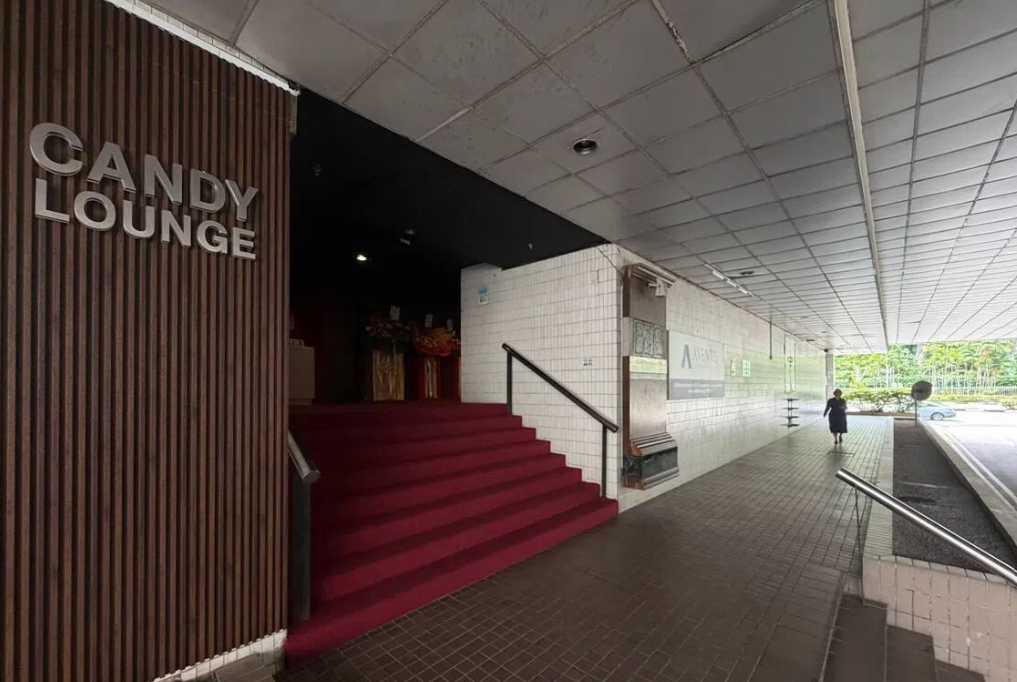
A violent confrontation erupted outside a nightlife establishment in Singapore's bustling Orchard district in the pre-dawn hours of Thursday, resulting in two arrests and leaving four men requiring hospital treatment. The incident unfolded near the junction of Orchard Road and Buyong Road around 3am, prompting emergency services to respond after receiving distress calls from the scene.
When police arrived at the location, officers discovered four injured men, all in their late thirties, bearing evidence of significant violence. Three sustained lacerations consistent with blade injuries, while a fourth had sustained minor wounds. All four were conveyed to Tan Tock Seng Hospital in conscious condition, allowing medical teams to assess the severity of their injuries upon arrival.
Subsequent police investigations led to the apprehension of two individuals aged 25 and 27, both facing charges related to voluntarily causing hurt through dangerous means—a serious offence reflecting the weapons-involved nature of the altercation. The 27-year-old suspect was himself transported to the same hospital, conscious but in police custody. Critically, officers recovered a knife at the scene, which has been retained as evidence in the ongoing inquiry.
Chinese-language media reports indicate that the clash stemmed from tensions between two separate groups who had been patronizing the Candy Lounge establishment. The confrontation reportedly escalated dramatically when one individual was allegedly stabbed in the neck during the melee, underscoring the brutality with which the dispute descended into violence. Such specificity in reporting suggests the incident drew attention from multiple media outlets documenting the circumstances.
The Candy Lounge operates within Singapore's nightlife framework, maintaining standard operating hours that typically see the venue open from 10pm until 3am on regular evenings, with extensions to 4am on weekends and public holidays. This timing places the incident at the tail end of the establishment's business hours, a period often associated with heightened tensions as venues wind down their operations and patron intoxication levels may peak.
When journalists visited the scene approximately six hours after the incident, normalcy had already returned to the Orchard precinct. No visible police or civil defence presence remained, and vehicular traffic flowed uninterrupted through the junction. This rapid restoration of order reflects both the efficiency of emergency response procedures and the business-as-usual approach the district adopts following such incidents.
Notably, local business operators occupying nearby Orchard Plaza expressed surprise at the incident, having remained unaware that violence had unfolded steps from their premises. Two proprietors—running a money exchange and convenience store respectively—reported receiving no security notifications and had opened for normal trading at 9am without awareness of the overnight commotion. This disconnect between incident sites and surrounding commercial activity suggests security communication networks in the area may benefit from strengthening.
The incident reflects a troubling trajectory in Singapore's violent crime landscape, particularly regarding blade-related offences. Official statistics reveal that the first half of 2025 recorded 75 knife-related incidents, representing a substantial 27 percent increase compared to the 59 cases documented during the equivalent period in 2024. This upward trend has prompted growing concerns about public safety and the escalating lethality of street violence, even in Singapore's carefully maintained urban environment.
For Malaysian readers, the Singapore incident carries particular relevance given the substantial cross-border movement of citizens between Malaysia and Singapore for leisure, employment, and commerce. The Orchard district remains a primary destination for Malaysian visitors seeking nightlife entertainment, raising awareness about personal safety considerations during late-night outings. The prevalence of knife violence in seemingly secure urban zones underscores that no major Southeast Asian city remains immune to weapon-related street crime, regardless of stringent law enforcement frameworks.
The underlying causes driving increased blade violence in Singapore remain subjects of speculation among criminologists and policy analysts. Whether attributable to gang rivalries, substance-related disputes, or broader social tensions requires deeper investigation beyond the immediate incident. The police confirmation that investigations remain ongoing suggests authorities are examining not merely the perpetrators but the systemic factors that may be contributing to the rise in such incidents.
This specific clash also highlights vulnerabilities within Singapore's celebrated security apparatus. The incident occurred in a prominent commercial district during operational hours of a registered establishment, yet escalated to the point of requiring emergency hospitalization and criminal charges. The fact that weapons reached a nightclub precinct—where entry procedures presumably include security screening—raises questions about enforcement consistency and venue security standards across the hospitality sector.
As Singapore grapples with this emerging public safety challenge, authorities face pressure to recalibrate responses without undermining the city-state's internationally recognized quality of life and low-crime reputation. For residents and visitors alike, the incident serves as a reminder that even highly developed urban centres remain vulnerable to sudden violence, particularly in contexts involving alcohol consumption, group dynamics, and ready access to weaponry. The ongoing police investigation will likely yield insights into prevention strategies applicable across Southeast Asian cities confronting similar trends in weapon-related street violence.

