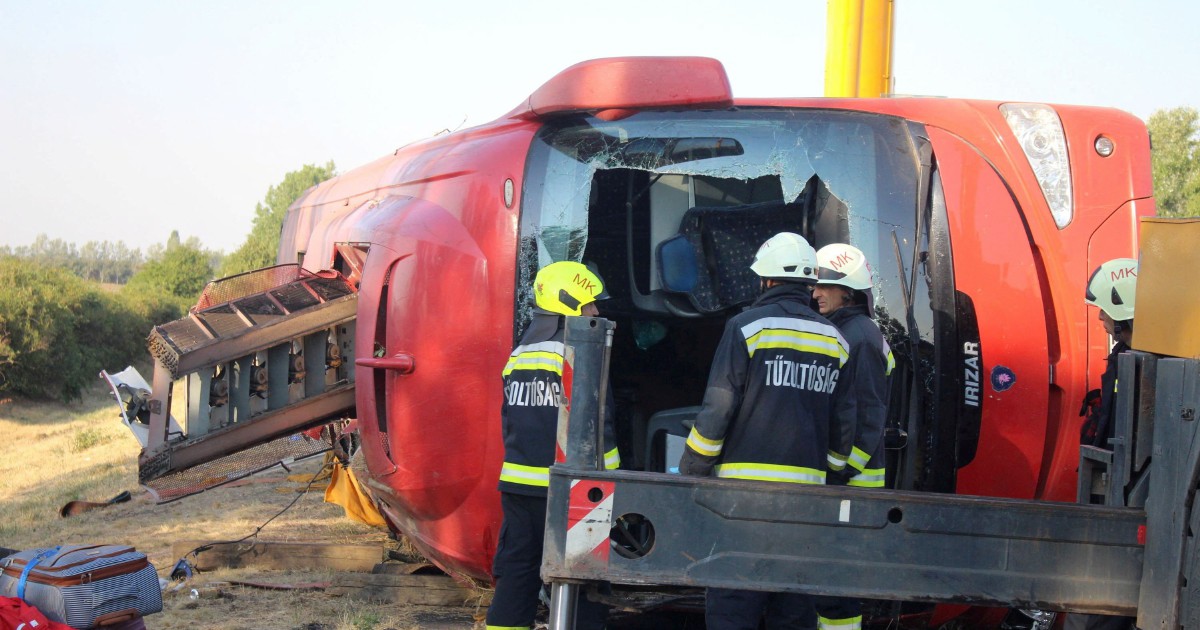
A major transportation tragedy unfolded on a Hungarian motorway in the early hours of Sunday when a coach carrying Polish passengers overturned, claiming the lives of a dozen people and leaving a further ten with severe injuries. Hungarian Prime Minister Peter Magyar and senior officials provided confirmation of the grim toll, marking one of the deadliest road incidents in the region in recent times.
The incident highlights the persistent dangers of long-distance coach travel across Central and Eastern Europe, a route commonly taken by Polish workers and travellers heading to Western European destinations. Such journeys frequently traverse Hungarian territory as a key transit corridor, making highway safety on these routes a matter of regional concern. The scale of casualties in this single accident underscores broader questions about vehicle safety standards, driver fatigue protocols, and road conditions on major European transit routes.
Details surrounding the exact circumstances of the overturn remained under investigation, though early reports indicated the incident occurred during the early morning hours when visibility may be compromised and driver fatigue is a heightened risk factor. Road conditions, vehicle maintenance, and the speed at which the coach was travelling at the moment of the accident are among the factors authorities would typically examine in such investigations. Hungarian emergency services responded rapidly to the scene, mobilizing multiple rescue teams to manage the mass casualty situation.
The overturned coach left approximately ten individuals requiring urgent medical intervention for serious injuries sustained in the collision. These passengers were transported to nearby medical facilities where they received treatment for trauma ranging from fractures to internal injuries. The severity of injuries in such rollovers often depends on passenger positioning, the presence and proper use of seatbelts, and the construction of the coach itself, factors that would form part of the technical investigation.
Cross-border coach operations represent a significant part of transportation infrastructure linking Eastern and Western Europe, serving workers, tourists, and those visiting family members across the continent. Polish nationals frequently undertake these journeys as part of labour migration patterns or leisure travel, making such incidents particularly resonant within Polish communities and diaspora networks. The accident raises fresh questions about safety oversight for international coach operators and whether harmonized European safety standards are uniformly applied across all member states.
For Malaysia and Southeast Asian readers, this tragedy offers a sobering reminder of the importance of stringent transport safety regulations, even in wealthy, developed regions. Many Malaysian travellers utilize long-distance coach services throughout the region, and incidents such as this underscore the critical need for regular vehicle maintenance, driver rest requirements, and adherence to speed limits on extended journeys. The European Union's extensive regulatory framework on passenger transport safety exists precisely to prevent such catastrophes, yet fatal accidents continue to occur.
The incident will likely trigger formal inquiries by Hungarian authorities, possibly in coordination with Polish counterparts, to determine root causes and establish whether any systemic failures contributed to the accident. Such investigations typically examine vehicle maintenance records, driver credentials and rest periods, weather conditions, and road surface quality. Recommendations emerging from these inquiries often feed into revised European safety protocols and industry best practices.
For the coach industry across Europe, such major accidents create pressures for enhanced safety measures, including improved braking systems, electronic stability control systems, and mandatory rest period enforcement through tachograph monitoring. Insurance and regulatory bodies frequently use fatal incidents as catalysts for tightening standards, particularly when investigations reveal preventable factors such as inadequate maintenance or driver fatigue.
The human cost of this tragedy extends beyond the immediate casualties to grieving families across Poland and the wider communities from which the passengers originated. Consular services would typically become engaged to assist families in identifying deceased relatives and navigating repatriation processes. Such incidents often generate lasting impacts on public confidence in cross-border coach travel, particularly among family groups and elderly passengers who may perceive heightened risk.
Hungarian transport authorities face mounting pressure to clarify what safety inspections and licensing procedures the coach operator had undergone. Recurring questions arise about whether all international coaches operating on Hungarian roads meet the full suite of European Union safety directives, and whether enforcement mechanisms adequately verify compliance. The tragic toll from this single incident may prompt governmental calls for stricter border checks on foreign vehicles and more rigorous documentation of safety certifications.

