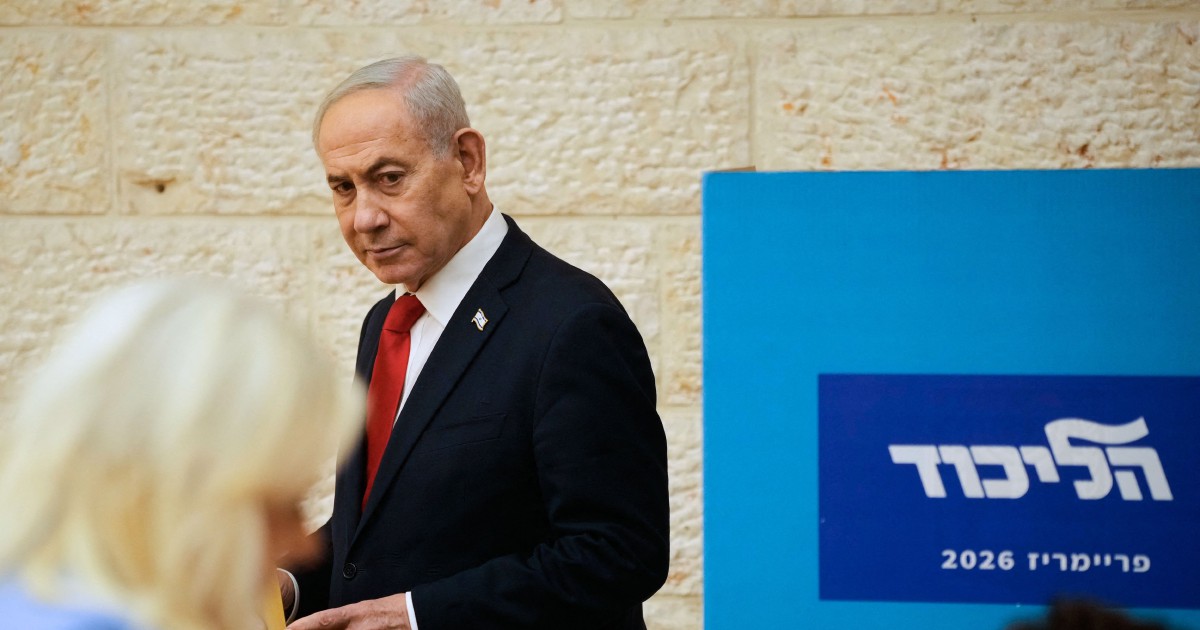
Turkey has escalated diplomatic tensions with Israel by issuing an international arrest warrant for Prime Minister Benjamin Netanyahu, Justice Minister Akin Gurlek announced on Friday. The action stems from a judicial investigation centred on Israel's interception of a humanitarian aid flotilla bound for Gaza, marking another significant step in Turkey's legal challenges against Israeli government actions.
The warrant represents Turkey's most formal legal mechanism in confronting what Ankara views as violations connected to the blockade affecting Gaza's civilian population. This development reflects deepening tensions between the two Mediterranean nations, which have experienced considerable friction in recent years over Middle East policy and humanitarian concerns. Turkey's move signals its determination to pursue accountability through international legal channels for actions it deems contrary to international humanitarian law.
The flotilla incident at the heart of this investigation recalls historical precedents that have strained Turkey-Israel relations. The interception of aid vessels represents a recurring flashpoint in bilateral relations, with Turkey positioning itself as a defender of Palestinian humanitarian interests. By formalising charges through an arrest warrant, Turkish authorities are attempting to establish legal grounds that extend beyond diplomatic protest into the international justice system.
Israel's naval blockade of Gaza has been a persistent source of international controversy, with humanitarian organisations regularly documenting shortages of essential supplies including food, medical equipment, and fuel. Turkey, as a significant regional player and NATO member, has consistently advocated for Palestinian causes and criticised Israeli military operations. This arrest warrant demonstrates how deeply embedded these grievances have become within Turkey's official legal apparatus.
The timing of this announcement carries political significance within Turkey's domestic context as well. Turkish President Recep Tayyip Erdoğan's government has made support for Palestinian causes a cornerstone of its foreign policy rhetoric, positioning Turkey as a voice for regional minorities and victims of conflict. The arrest warrant reinforces this positioning ahead of various international forums where Turkish officials can emphasise their commitment to international humanitarian standards.
International arrest warrants, issued through Red Notice mechanisms and Interpol channels, carry symbolic weight that extends beyond practical enforcement capacity. While Netanyahu, as an Israeli prime minister, would face significant diplomatic protection within Israel and potentially other allied nations, the warrant creates legal complications for international travel and establishes a formal record of Turkish judicial findings regarding alleged wrongdoing.
The relationship between Turkey and Israel has undergone considerable strain since the 2008-2009 Gaza conflict, when Turkish-Israeli relations deteriorated following the Mavi Marmara incident, in which Israeli commandos intercepted a Turkish-organised flotilla headed to Gaza, resulting in fatalities. Although diplomatic channels have occasionally stabilised since then, underlying tensions have persisted, particularly when Gaza faces escalating humanitarian crises.
For Malaysia and other Southeast Asian nations, this development carries implications regarding international humanitarian law and the mechanisms available to countries seeking accountability for actions affecting civilian populations. Malaysia, which has itself issued statements criticising Israeli policies toward Palestinians, may find common cause with Turkey's legal approach. The precedent of using international arrest warrants to pursue accountability could resonate across the Global South where nations frequently cite double standards in the application of international justice.
The arrest warrant also reflects broader shifts in how nations outside traditional Western alliances are utilising legal mechanisms to challenge powerful states. Turkey's approach demonstrates that while military or economic pressure may be limited, judicial systems can be mobilised to create diplomatic and legal complications. This tactic, increasingly adopted by countries seeking leverage in asymmetrical disputes, adds another dimension to how international relations operate beyond conventional diplomatic channels.
Israel's government has not yet formally responded to the Turkish announcement, though Israeli officials typically characterise such actions as politically motivated harassment without legal merit. The Israeli perspective emphasises security necessities and the right to maintain border controls, viewing humanitarian considerations through the lens of national defence requirements. This fundamental disagreement over the moral and legal framework governing the situation underlies the persistent dispute.
The broader context of Israel-Palestine tensions remains unresolved, with ongoing humanitarian concerns in Gaza continuing to attract international scrutiny and condemnation. Turkey's legal action represents one attempt to translate international concern into formal legal proceedings, though the practical enforcement of the warrant remains uncertain given Netanyahu's status and Israel's diplomatic position.
Regional observers will watch whether other nations might follow Turkey's lead in issuing similar legal actions, potentially establishing a pattern of accountability efforts through national judicial systems. Such a development could reshape how international disputes are managed, moving some conflicts from purely diplomatic channels into legal ones. The broader implications for international relations may extend well beyond the immediate Turkey-Israel dispute, potentially influencing how nations respond to perceived violations of humanitarian law globally.

