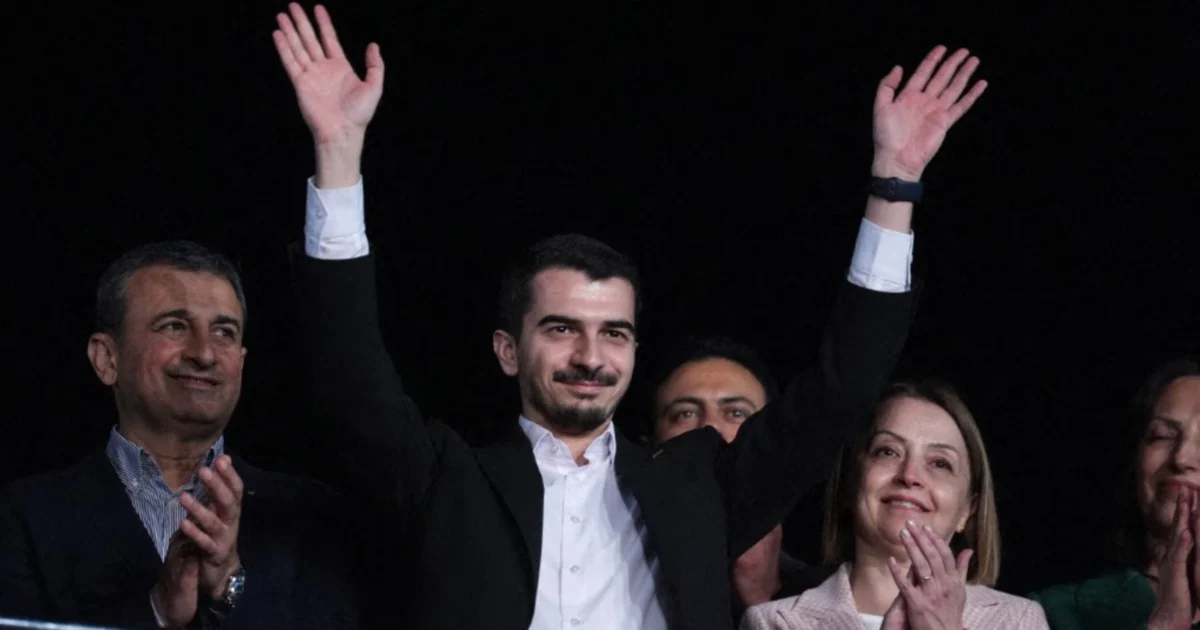
Turkish prosecutors have launched a substantial corruption inquiry that ensnares dozens of officials and business figures, including a sitting mayor from the main opposition party. The Ankara chief prosecutor's office announced the detention order for 36 suspects on Wednesday, marking an escalation in what authorities characterise as a scheme involving improper payments and manipulated tender processes within a city district under opposition control. The investigation signals intensifying scrutiny of governance practices in municipalities outside the ruling party's direct influence, and raises fresh questions about corruption allegations that have periodically roiled Turkey's political landscape.
The probe zeroes in on irregularities in public procurement and contract awards within the district administration, with investigators alleging that officials and contractors conspired to bypass competitive bidding requirements. Turkish prosecutors contend that favoured bidders received contracts through rigged processes, with kickbacks flowing back to administration officials in exchange for steering lucrative public works projects their way. Such tender-rigging schemes are a persistent challenge across municipal governments in Turkey, often spanning years before detection and prosecution. The breadth of the inquiry—touching 36 individuals across multiple institutional and commercial entities—suggests investigators have uncovered a systemic pattern rather than isolated misconduct.
The detention of the district mayor represents a particularly sensitive dimension of the case, given that the opposition Republican People's Party (CHP) controls significant urban centres across Turkey. Ankara itself, the capital, is governed by the CHP, and this probe touches municipal governance at the district level within that opposition stronghold. The development will likely amplify political tensions between Turkey's government and opposition, with the CHP potentially framing the investigation as selective enforcement against its electoral base, while the government may argue that corruption knows no party boundary and must be pursued wherever evidence leads.
Turkey has grappled with high-profile corruption cases involving officials across the political spectrum for more than a decade. From the 2013 graft probes that ensnared figures close to former President Recep Tayyip Erdoğan's government to more recent investigations, corruption allegations have repeatedly dominated headlines and shaped public discourse about institutional integrity. This investigation participates in that longer pattern, though the concentration on an opposition-administered district lends it particular political salience. Transparency advocates have frequently noted that corruption prosecutions in Turkey have sometimes appeared clustered around political opponents, though authorities insist prosecutions follow evidence and legal procedure impartially.
For Malaysian readers, the Ankara inquiry underscores challenges that metropolitan regions across Asia and the Middle East similarly confront—the vulnerability of municipal procurement systems to collusion and embezzlement. Like Turkey, Malaysia has confronted high-profile municipal corruption cases involving contract irregularities and tender manipulation, from local council tenders to state development authority contracts. The Ankara case demonstrates how systematic procurement fraud typically requires coordination among multiple actors: complicit officials with decision-making authority, complicit contractors bidding collusively, and intermediaries facilitating illicit payments. Understanding these networks proves crucial for any anti-corruption drive.
The investigation's focus on tender processes carries implications for how public procurement systems function across the region. Properly designed procurement frameworks, with transparent bidding, robust oversight mechanisms, and auditing, can substantially reduce opportunities for collusion. However, enforcement and political will remain decisive factors. Even well-designed systems fail if implementing officials are compromised or auditing institutions lack independence. Turkey's investigation suggests that despite the country's institutional apparatus, enforcement gaps persist that allow bribery schemes to operate over extended periods before prosecution commences.
The detention order will likely be followed by formal arrest and charging procedures, with Turkish courts determining whether suspects remain held pending trial or are released on bail conditions. The case will move through Turkey's judicial system over months or potentially years, with each stage subject to appeal and legal challenge. International observers and domestic analysts will scrutinise whether proceedings maintain due process standards and whether outcomes demonstrate even-handed application of law regardless of political affiliation.
For Turkey's opposition, the inquiry presents both risks and opportunities. If prosecutions succeed and convictions follow, it could damage the CHP's governance credentials and provide electoral ammunition to rival parties. Conversely, if the opposition portrays prosecutions as politically motivated or if evidence proves insufficient for conviction, the party could mobilise support by framing the inquiry as governmental overreach. Either pathway shapes how Turkish voters evaluate opposition competence and trustworthiness in municipal administration.
The Ankara prosecutor's investigation also reflects broader institutional dynamics within Turkey's justice system. The country's judiciary has experienced significant political pressures and restructuring in recent years, with questions periodically raised about whether prosecutors and judges operate with genuine independence or respond to political direction. This investigation will contribute to international assessments of Turkey's judicial independence and rule-of-law standards, matters that carry weight in Turkey's relations with Western institutions and trading partners.
Regionally, the case demonstrates that anticorruption enforcement in municipalities remains uneven across the Middle East and South Asia. Effective governance requires not just legal frameworks criminalising corruption but also functioning investigative institutions, professional prosecutors, and courts capable of delivering impartial justice. Turkey's effort here, whatever its political complexities, represents the type of investigation that stronger institutional capacity enables. How successfully prosecutors build cases, how fairly courts adjudicate charges, and how transparently proceedings unfold will signal important lessons about governance capacity and commitment to accountability in the region.

