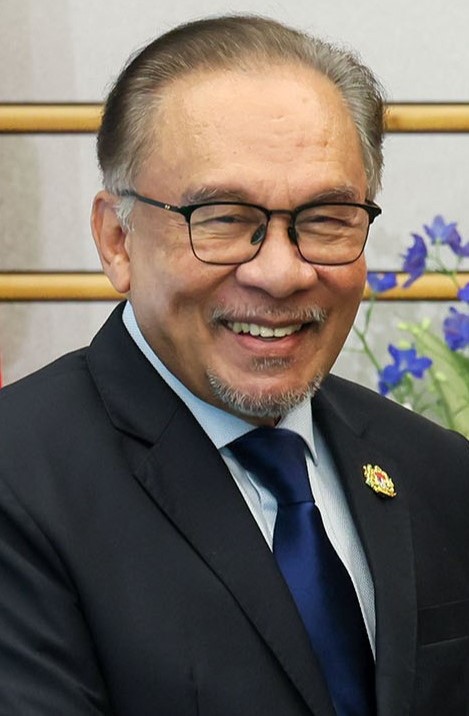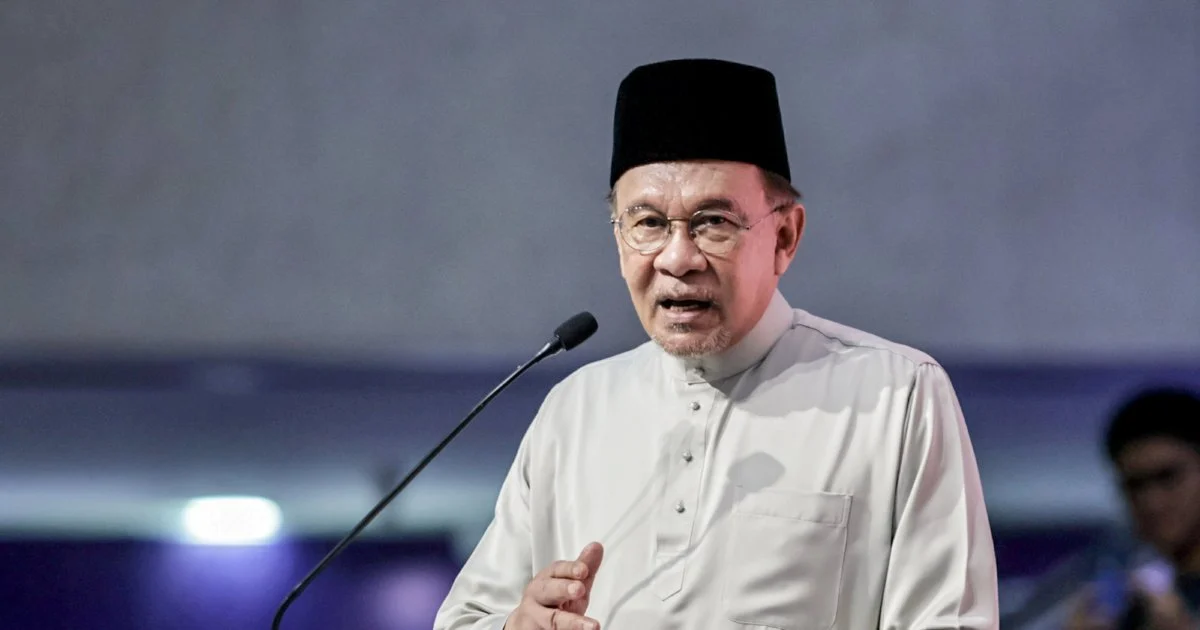
The Tunku Mahkota of Johor, Tunku Ismail Sultan Ibrahim, received Prime Minister Datuk Seri Anwar Ibrahim for a private audience in Kuala Lumpur today, with both parties characterising the encounter as cordial and marked by mutual understanding. The meeting represented a continuation of formal engagement between Malaysia's highest political office and one of the peninsula's most influential royal figures, whose seat carries significant weight within the Council of Rulers and national governance structures.
The nature of the meeting underscores the constitutional balance that Malaysia's system maintains between the executive government and the institution of the monarchy. The Tunku Mahkota, as heir apparent to the Johor throne, occupies a dual position of considerable importance—simultaneously fulfilling responsibilities within his state's administrative hierarchy while wielding influence in matters affecting the federation. Such audiences, whilst conducted in private, carry symbolic weight in Malaysia's political landscape, signalling the health of relations between key state rulers and the central government.
For Malaysian observers, these regular consultations between the Prime Minister and senior members of the royal establishment serve as barometers of institutional stability. The description of today's meeting as "harmonious" suggests an absence of friction on matters that typically concern both parties—whether constitutional implementation, state-level governance issues, or broader national concerns that intersect with the ruler's portfolio. Such language carries diplomatic significance in official circles, where carefully chosen words often convey deeper meaning about underlying relationships.
The Tunku Mahkota's position has evolved substantially in recent years, particularly given his high profile on social and digital media platforms, where he frequently engages on matters ranging from national development to youth concerns. This modern approach to royal communication has sometimes created interesting dynamics with government messaging, making coordinated understanding between his office and the Prime Minister's particularly relevant for maintaining institutional cohesion.
Johor itself remains economically and strategically vital to Malaysia's development trajectory. As the most developed state economy on the peninsula after Selangor and Kuala Lumpur, and as a crucial component of regional security frameworks, the state's administrative relationship with the federal government demands regular high-level dialogue. The Tunku Mahkota's influence within Johor's state administration means that productive conversations at this level carry downstream implications for implementing federal policies and initiatives at the state level.
These audiences also function within Malaysia's broader constitutional framework, where the Yang di-Pertuan Agong and state rulers maintain significant formal powers, including consent rights over legislation affecting their territories. While the Tunku Mahkota is not yet reigning, his position as designated successor positions him as an important voice in forward-looking discussions about governance, development plans, and constitutional applications that may extend beyond current administrations.
The meeting's timing and public acknowledgement carry weight in domestic political terms as well. Malaysia's coalition government navigates complex relationships with various state administrations, some controlled by opposition parties and others by government-aligned coalitions. Johor, under current governance structures aligned with federal leadership, represents a jurisdiction where smooth cooperation typically follows. Publicly characterising such meetings as successful helps reinforce narratives of institutional stability and effective governance.
For regional observers, Malaysia's capacity to maintain functional relationships between royalty and elected government serves as a distinctive feature of its political system. In an era of global democratic turbulence and institutional strain in many countries, the regular and apparently productive engagement between Prime Minister Anwar Ibrahim and the Tunku Mahkota demonstrates operational continuity in Malaysia's constitutional monarchy model. This institutional robustness has long been considered a stabilising factor in Malaysian politics.
The private nature of such audiences means that detailed discussion points remain confidential, though the public confirmation of the meeting's cordial character serves important signalling functions. Both the Prime Minister's office and the Tunku Mahkota's palace benefit from demonstrating to their respective constituencies that channels of communication remain open and that consultation occurs on matters of mutual interest. This transparency about the meeting's occurrence, combined with discretion about its substance, represents standard practice in Malaysia's constitutional governance.
Looking forward, continued regular engagement between senior government figures and influential members of the royal establishment will remain essential for Malaysia's political equilibrium. As the nation navigates complex economic challenges, regional security considerations, and domestic policy debates, the capacity of these institutions to coordinate effectively becomes increasingly valuable. Today's meeting, whilst outwardly routine, exemplifies the institutional mechanisms that underpin Malaysia's political stability and the frameworks through which diverse centres of power maintain productive working relationships.