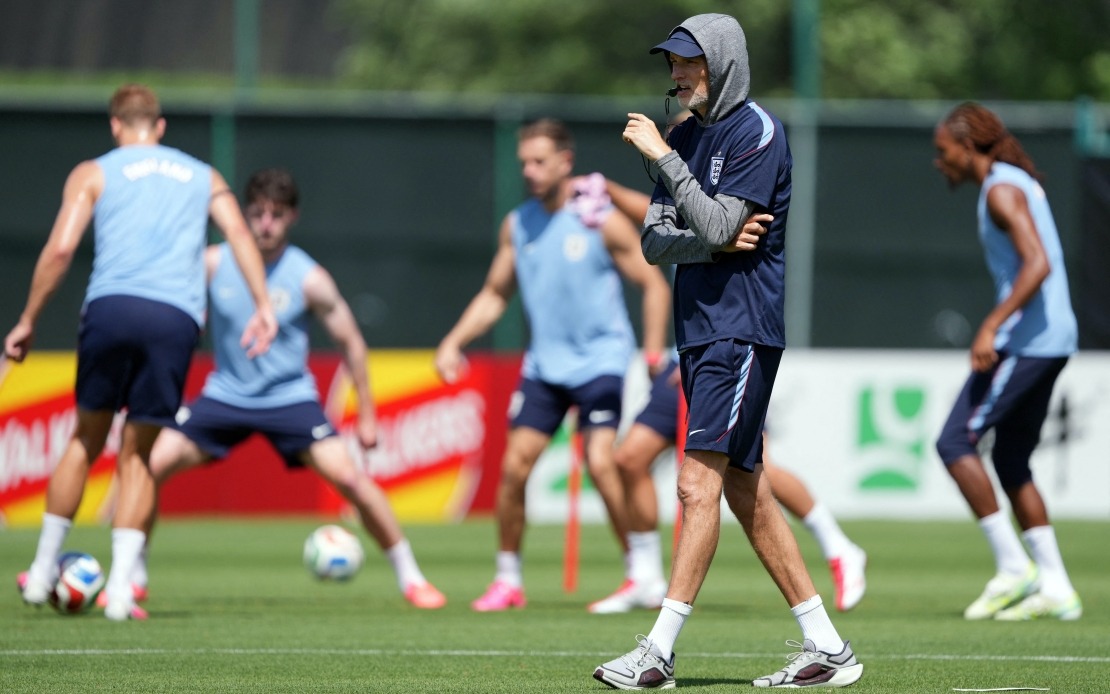
England manager Thomas Tuchel is focused on providing an entertaining spectacle for a new generation of young supporters when the Three Lions face the Democratic Republic of Congo in the World Cup knockout stage on Wednesday in Atlanta. The afternoon kickoff at 5 pm United Kingdom time represents a significant departure from England's group-stage scheduling, offering British children the opportunity to watch their first tournament match without staying up past typical bedtimes.
The timing of the fixture stands in stark contrast to England's earlier matches in the competition. Group encounters with Croatia and Ghana began at 9 pm local time, while Saturday's commanding victory over Panama started at 10 pm, ensuring that younger viewers across the United Kingdom faced considerable obstacles in tuning in to live coverage. The Round of 32 encounter against Congo brings a welcome change to this pattern, with the afternoon scheduling creating genuine accessibility for families with school-age children.
Tuchel has made it clear that delivering joy to this youthful audience forms part of his broader objective heading into the knockout phase. The England manager recognizes that entertainment extends beyond conventional notions of attacking prowess or technical fluidity, acknowledging instead that supporters of all ages respond to emotional authenticity and visible commitment from their representatives on the pitch. His comments suggest a philosophical approach that values the transmission of team spirit and competitive desire as legitimate forms of engagement.
However, Tuchel has tempered expectations by candidly acknowledging the unpredictability inherent in knockout football. The Democratic Republic of Congo, while potentially challenging to overcome on the pitch, may not represent an opponent inclined toward entertaining, open play. Tuchel's cautious messaging reflects realistic understanding that opposing teams arrive with their own tactical objectives, which may prioritize defensive organization and set-piece efficiency over creative ambition. This pragmatism demonstrates managerial maturity, preventing overconfidence while maintaining focus on the fundamental requirement of advancing through the tournament.
The England manager's public positioning emphasizes that his players understand the significance of performing for supporters whose access to international football remains limited by temporal constraints. Tuchel has suggested that the energy, spirit, and visible intensity his squad brings to matches constitute authentic entertainment independent of whether they conform to aesthetic ideals favored by football purists. This framing proves particularly relevant for younger viewers encountering their first major tournament experience, where emotional investment in national representation may supersede tactical appreciation.
England will naturally prefer to resolve the contest during the regular ninety-minute duration, as extended play would push bedtimes considerably later for the young audience Tuchel specifically mentioned. Nevertheless, the knockout stage format permits progression through extra time and penalty shootouts if required, introducing variables beyond the team's direct control. The prospect of late-night finishes contradicts the afternoon kickoff's original purpose, though it remains a realistic possibility in single-elimination competition.
Goalkeeper Jordan Pickford has articulated England's comprehensive preparedness for any scenario the match might produce. Pickford's acknowledgment that victory might require additional time beyond ninety minutes, or determination through penalty competition, underscores the squad's mental readiness for whatever situation develops. England's training protocols have specifically incorporated preparation for these extended formats, ensuring that fatigue and psychological pressure do not undermine performance in decisive moments.
Penalty shootouts carry particular resonance for English football, given the national team's historical struggles in such contests. Pickford's explicit reference to penalties suggests that the goalkeeping department has invested substantial preparation time in this specific scenario. Modern English teams have worked deliberately to improve their penalty-taking record, recognizing that knockout tournaments ultimately determine success through these high-pressure mechanisms. The confidence Pickford expresses reflects genuine preparation rather than platitudinous commentary.
For Malaysian and Southeast Asian observers, the encounter between England and the Democratic Republic of Congo represents an important checkpoint in the tournament trajectory. England's advancement to later stages of major competitions carries implications for competitive balance in the tournament structure and influences betting markets throughout the region. Additionally, the broader narrative of how established footballing nations navigate early knockout fixtures shapes tournament dynamics that ripple across Asia's own qualifying pathways and development trajectories.
Tuchel's managerial philosophy, characterized by practical assessment of opponents combined with emphasis on emotional authenticity and competitive commitment, offers insights into contemporary approaches to international football management. His willingness to publicly discuss entertainment value alongside tactical necessity suggests evolution in how elite managers communicate with diverse audiences, balancing performance expectations against broader engagement objectives. This approach contrasts with traditional managerial stereotypes emphasizing exclusively technical or physical preparation.
The afternoon scheduling also carries symbolic significance regarding inclusive sports access and generational engagement with international football. By accommodating younger viewers' temporal constraints, the fixture itself becomes an implicit statement about expanding the spectatorial base and nurturing long-term fan development. England's football authority has recognized that immediate match outcomes represent only one component of broader strategic objectives concerning the sport's cultural position and intergenerational transmission of support.
As the fixture approaches, Tuchel's preparatory comments have successfully managed expectations while maintaining confidence in England's capability to progress further into the tournament. His acknowledgment of Congo's potential to disrupt conventional attacking patterns demonstrates appropriate respect for opposition while his emphasis on transmitting team spirit and competitive intensity to younger viewers anchors national football within broader cultural significance. The match thus functions simultaneously as tactical contest and intergenerational narrative, with both dimensions equally worthy of analytical attention.

