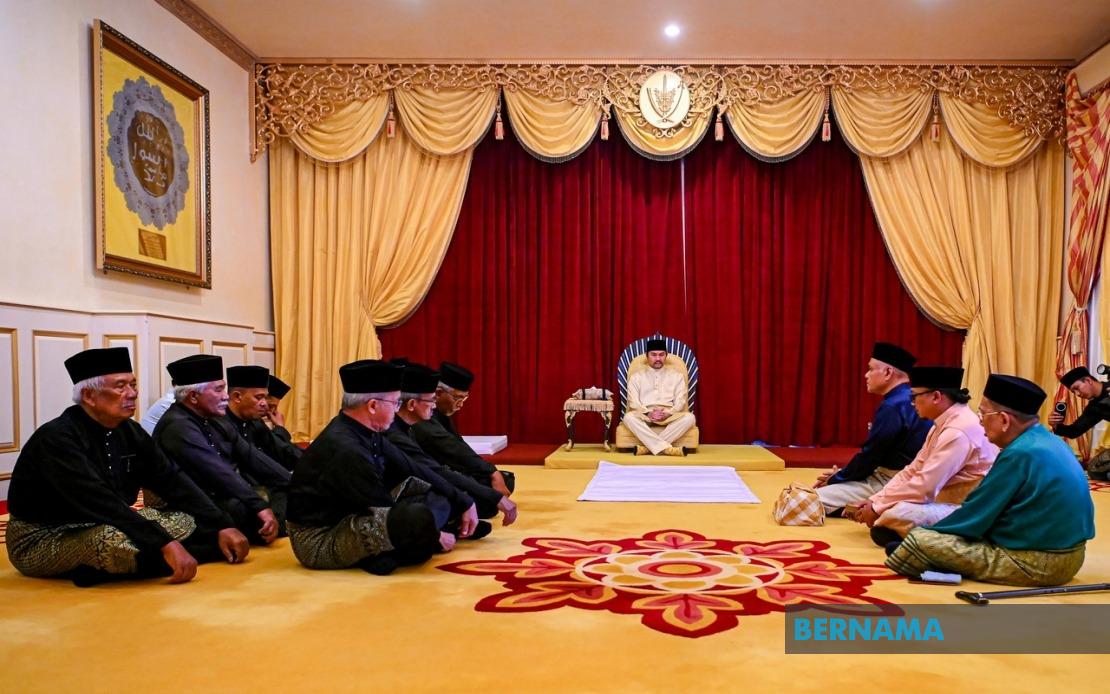
The Yang Dipertuan Besar of Negeri Sembilan, Tuanku Muhriz Tuanku Munawir, has granted royal approval for a ceremonial audience to officially install the newly selected Undang of Luak Sungei Ujong. The formal proceedings are scheduled to take place Saturday morning at Istana Besar Seri Menanti in Kuala Pilah, representing a significant moment in the state's constitutional customs and traditional governance framework.
Tunku Besar Seri Menanti Tunku Ali Redhauddin Tuanku Muhriz announced the royal consent during a reception with the Datuk-Datuk Adat of Luak Sungei Ujong and representatives of the customary council. The decision comes following months of deliberation over the succession process, which culminated in the formal selection of a candidate by the Buapak customary assembly through established adat protocols.
Muhammad Faris Johari, a 29-year-old, has been chosen as the 11th Undang of Luak Sungei Ujong. The selection process adhered strictly to the traditional customs and practices historically observed within Luak Sungei Ujong, as verified by Waris Negeri Sungei Ujong Datuk Sinda Maharaja Razlan Hamid during his presentation to the royal household. This generational appointment reflects the ongoing vitality of Negeri Sembilan's unique system of adat-based governance, which distinguishes the state from its neighbours through its continued reliance on customary law and traditional succession mechanisms.
The appointment comes in the wake of the dismissal of the previous Undang. The Dewan Keadilan dan Undang formally accepted the removal of Datuk Klana Petra Datuk Mubarak Dohak from the position of 10th Undang of Luak Sungei Ujong. This transition occurred through an official legal proceeding at Istana Besar Seri Menanti, underscoring the institutional processes that govern these traditional roles. Menteri Besar Datuk Seri Aminuddin Harun confirmed the decision emerged from a special sitting presided over by Tuanku Muhriz, highlighting the interconnected nature of royal authority and customary governance in the state's constitutional architecture.
Negeri Sembilan's system of distributed political authority among the nine luaks—traditional territorial divisions—remains a distinctive feature of Malaysian federalism. Each luak maintains its own Undang, effectively creating a parallel governance structure operating alongside the conventional state administration. The appointment of new Undangs through customary selection procedures and royal formalization rituals reinforces the legitimacy of this dual system, which has persisted through Malaysia's modern constitutional development.
The royal audience ceremony scheduled for Saturday represents more than a procedural formality. It embodies the state's commitment to preserving its traditional institutions and demonstrates how contemporary Malaysia continues to accommodate and validate customary law and indigenous governance practices. For residents of Luak Sungei Ujong, the installation signals continuity in their representation within the state's unique political structure, even as the broader nation-state navigates questions of federalism and constitutional authority.
Simultaneously, Tuanku Muhriz has extended royal consent for a parallel ceremony installing the 22nd Undang of Luak Rembau, another of Negeri Sembilan's constituent luaks. The scheduling of both installation ceremonies within the same timeframe indicates a coordinated approach to addressing vacancies and maintaining the integrity of the state's nine-luak system. This dual appointment process reflects the ongoing management of traditional positions across multiple jurisdictions within the state.
The preservation of adat-based governance in Negeri Sembilan carries particular significance for discussions about pluralism and customary law throughout Malaysia. As the nation grapples with broader questions about the integration of customary practices within modern constitutional frameworks, Negeri Sembilan's model offers insights into how traditional and contemporary governance structures can coexist. The meticulous protocols surrounding the selection and installation of Undangs demonstrate institutional sophistication and respect for established customs.
For Malaysian observers interested in federal constitutional arrangements and the practice of traditional governance, the Sungei Ujong installation illuminates the complex layering of authority that characterizes Negeri Sembilan's political identity. The Yang Dipertuan Besar's role in formalizing these appointments through royal audience—a practice rooted in Malay-Muslim constitutional traditions—underscores the continued relevance of ceremonial and customary procedures in validating appointments to positions of traditional significance.
The Orang Empat Istana, the palace administrators, will coordinate the technical and logistical aspects of Saturday's ceremony with the adat leaders, ensuring that the proceedings unfold in accordance with established protocols. This collaboration between royal household officials and customary representatives exemplifies the institutional mechanisms through which Negeri Sembilan maintains its distinctive governance culture. The successful coordination of these ceremonial and administrative elements contributes to the state's ongoing ability to honor its traditional constitutional commitments while functioning within the framework of the Malaysian federation.

