The exodus of skilled foreign workers from Silicon Valley and American tech hubs represents a seismic shift in global talent dynamics, reversing a pattern that has shaped the US economy for nearly four decades. When Deepak and his family boarded a flight to Kerala in May, leaving behind 15 years of accumulated success in America, they joined a swelling tide of tech professionals unwinding their American dreams under the weight of stricter immigration policies and economic uncertainty. What distinguishes this migration is not desperation but rational calculation—a deliberate choice to exchange the precarious status of temporary work visa holders for the stability of established professional networks in their home countries.
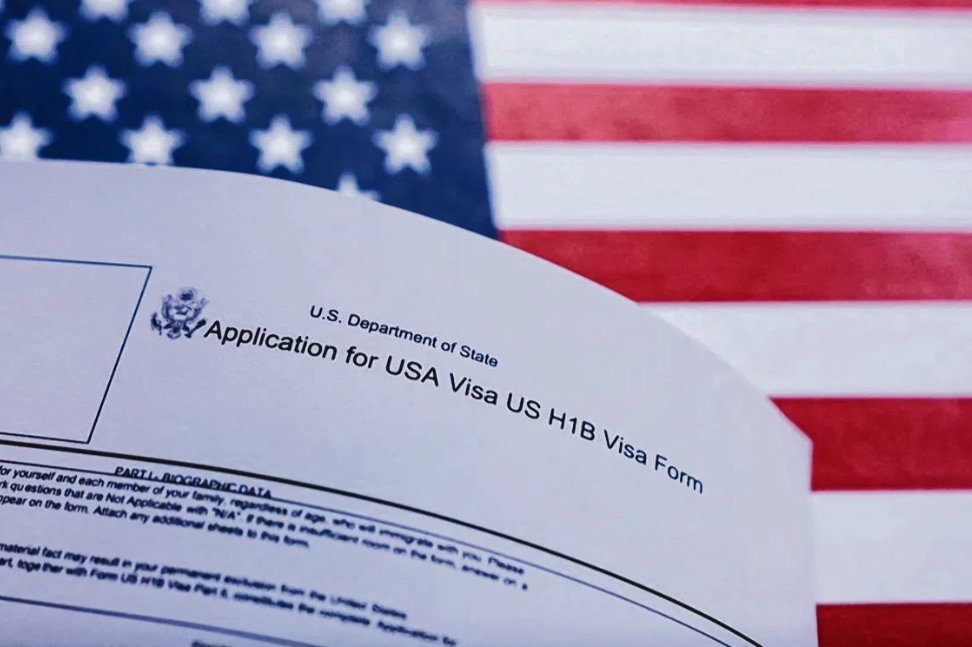
The Trump administration's aggressive stance on immigration has fundamentally altered the calculus for foreign professionals contemplating their future in the United States. The original proposal to impose a US$100,000 application fee on new H-1B visas—a stunning 25-fold increase from the prevailing rate—sent shockwaves through multinational technology companies and threw visa holders into profound uncertainty about their status and costs. Although a federal judge struck down this particular fee structure in June, declaring it unlawful, the Trump administration has refused to abandon its restrictive agenda. Instead, officials have pursued alternative mechanisms to make visa sponsorship more burdensome, introducing a separate US$4,000 surcharge for H-1B extensions and renewals beginning September. This approach suggests a sustained institutional commitment to discouraging the hiring of foreign talent, regardless of tactical legal setbacks.
For professionals like Deepak, the mounting complexity and cost of maintaining H-1B status represents more than bureaucratic inconvenience. Under the programme's rules, workers who lose employment must secure a new sponsor within 60 days or face deportation—a vulnerability that has become increasingly acute in a labour market characterised by layoffs and hiring freezes. The combination of regulatory uncertainty, employer reluctance to sponsor visas, and pervasive job insecurity transformed what was once considered a privilege into an exhausting ordeal. Deepak's decision to liquidate his American assets—selling two houses, shipping belongings, and enrolling his children in Indian schools—reflects the permanence of this departure, not a temporary repositioning. His experience encapsulates the psychological and material toll of prolonged limbo, where even employed professionals cannot shake the anxiety that regulatory changes or employer decisions could dismantle their lives within months.
The statistical evidence of this reversal is striking and accelerating. Data from Xpheno, a Bengaluru-based talent consulting firm, reveals that 15,100 Indian professionals returned to India in 2025, a substantial increase from 9,800 in 2024, with 7,300 additional returnees already recorded in 2026. This represents a dramatic shift in migration flows that have historically run overwhelmingly in the opposite direction. While comparable figures for Chinese returnees are not immediately available, China's Ministry of Education documented 536,000 students returning to the country after graduation in 2025, representing an 8.3 per cent increase from the previous year—a significant indicator of diminishing American attractiveness to highly educated Chinese nationals. These trends are not aberrations but reflections of deliberate policy choices that have made the American pathway substantially less appealing than alternatives available domestically.
The deterioration in H-1B approvals among America's largest tech employers provides institutional confirmation of these individual decisions. Petition approvals for the top 100 employers—including technology giants like Amazon, TCS, Infosys, Apple, and Microsoft—are tracking toward a decline exceeding 10 per cent in fiscal year 2026 compared with 2025, based on data from the US Citizenship and Immigration Services. This reduction occurs even as these companies nominally require advanced skills and international expertise. The apparent paradox resolves when considering the convergence of multiple pressures: visa sponsorship has become more expensive and legally uncertain, the domestic labour market has contracted sharply due to AI-driven restructuring and broad technology sector layoffs, and employers face declining confidence that investing in visa sponsorship will yield stable returns. Meta, Visa, Amazon, and other leading firms have terminated thousands of employees, further compressing opportunities for both citizen and non-citizen workers.
Chinese nationals experience particularly acute vulnerability in this environment. Carrie, a data analyst from the Midwest, exemplifies the precarious position faced by mid-career foreign professionals. After her employer issued a termination notice, she found herself in her third year of H-1B sponsorship with mounting pressure to secure alternative employment or leave the country by a fixed deadline. Her job search commenced with desperate intensity—30 applications daily—but has withered to five per day as rejection letters accumulate and the reality of her situation becomes inescapable. The primary obstacle is not her qualifications but the simple fact that fewer American employers are willing to undertake the regulatory complexity and financial burden of H-1B sponsorship. Even as she has systematised her search and refined her approach, the structural barriers have proven insurmountable, forcing her to contemplate departure not from personal failure but from collective policy shifts beyond her control.
Indian and Chinese nationals collectively comprise approximately 82 per cent of all H-1B visa holders, with the former group accounting for roughly 70 per cent of the total pool. The concentration of these two nationalities within the programme means that restrictive policies disproportionately affect professionals from these countries and reshape talent distribution across Asia. Beyond visa mechanics, these workers have faced increasing social hostility. Reports from the AAPI Equity Alliance document intensifying racist attacks and online harassment targeting Indian and Chinese immigrants, who paradoxically represent America's largest, most educated, and highest-earning immigrant populations. This combination of regulatory tightening, economic layoffs, and social animus creates a comprehensive environment that makes remaining in the United States emotionally and practically untenable for many professionals who once viewed American employment as career pinnacle.
The departure of this talent cohort simultaneously creates both challenges and opportunities for India's rapidly expanding technology infrastructure. While traditional IT services and outsourcing companies have experienced hiring slowdowns, the emergence of approximately 2,000 Global Capability Centres (GCCs) in India—regional hubs established by multinational corporations to access Indian talent and cost structures—has created substantial employment alternatives for returning professionals. These centres collectively hired 100,000 employees annually since 2023, with the top 125 GCCs absorbing around 7,000 mid and senior tech professionals possessing more than a decade of experience in the past 12 months, including 2,800 who specifically returned from the United States. This institutional capacity allows India to absorb returnees without catastrophic underemployment, though Xpheno's research indicates that returning professionals without specialised artificial intelligence or data engineering credentials command smaller salary packages than their American counterparts.
The experience of returning professionals also reveals subtle psychological and professional dimensions often obscured in statistical analysis. Ram, a 38-year-old product manager who returned to Bengaluru in early 2025 after nine years in Connecticut, exemplifies a segment of returnees for whom departure represents not failure but liberation from unsustainable professional pressures. By living off accumulated savings, Ram has created temporal and psychological space to contemplate fundamental questions about career identity and life direction—luxury afforded by neither his American employment nor the precarious circumstances forcing other professionals homeward. His reflections on whether to continue product management, launch entrepreneurial ventures, or pursue agricultural pursuits suggest that some returnees are capitalising on displacement to undertake more radical professional reinvention than their visa-dependent American context would have permitted. This phenomenon implies that return migration may generate not merely quantitative talent redistribution but qualitative reshaping of career trajectories and professional aspirations across India's expanding technology sector.
The reversal of brain drain dynamics carries significant implications for Southeast Asian nations and the broader Indo-Pacific region. For Malaysia, Singapore, and other economies attempting to develop advanced technology sectors and attract global talent, the American retrenchment creates both competitive opportunity and cautionary lessons. The availability of Indian and Chinese professionals previously committed to American employment expands the regional talent pool and may accelerate technology capability development across Southeast Asia. Simultaneously, the example of how policy uncertainty and regulatory hostility can rapidly dissolve decades-long migration patterns suggests that maintaining stable, investor-friendly immigration frameworks represents critical competitive infrastructure. Malaysia's technology ambitions and Singapore's regional financial hub status depend partly on their capacity to offer alternatives to American-based opportunities, a position strengthened as American appeal diminishes but vulnerable to their own policy missteps.
The broader significance of this migration reversal extends beyond immediate employment dynamics to fundamental questions about global economic integration and the sustainability of American technology sector dominance. For nearly four decades, the H-1B programme functioned as a primary mechanism through which the United States attracted and retained global talent, subsidising American technological innovation with international human capital. That system depended on two conditions: that American employment opportunities substantially exceeded alternatives available domestically, and that the regulatory and social environment remained sufficiently welcoming to justify the professional risks involved. Both conditions have eroded simultaneously, creating a tipping point at which the accumulated advantages of American location no longer overcome the accumulated costs of immigration uncertainty and labour market deterioration. As this talent reversal accelerates, American companies may discover that restrictive immigration policies impose costs exceeding the ostensible benefits of limiting foreign worker inflows—a realisation likely emerging too late to reverse the departure of professionals already committed to homeward migration.

