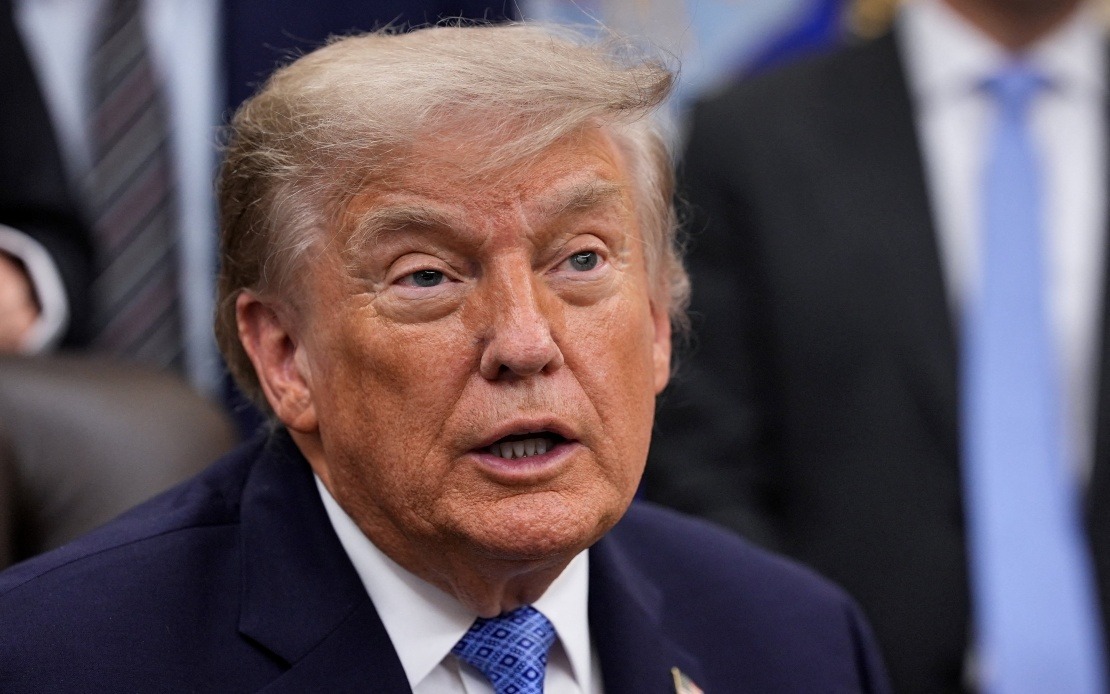
United States President Donald Trump has announced plans to deliver a televised address to the nation on Thursday evening, according to a post on his Truth Social platform. The speech is scheduled for 9 pm Eastern Time, which translates to 0100 GMT Friday—a coveted slot in American broadcasting that typically signals a message of significant national importance. By choosing this prime-time window, the president is deploying one of the most potent tools available to a sitting leader to command the attention of the American public.
The timing and context of this address carry particular weight given current developments. Trump has chosen not to disclose the topic, leaving observers and media analysts to speculate about the administration's immediate priorities and concerns. This deliberate omission has fuelled discussion across political circles about what subject matter requires such a formal and widely-viewed platform.
One pressing issue dominating American headlines for months is the escalating conflict with Iran, which has intensified notably in recent days. This military dimension has had tangible economic consequences, with petrol prices climbing significantly and adding to inflationary pressures felt by American households. Many analysts expect the president may use the address to discuss his administration's response to Iranian actions and explain policy decisions to the American people during this period of heightened regional tension.
The economic dimension cannot be overlooked, particularly given the political calendar. In December of his second term, Trump previously used a major televised address to defend his economic record amid mounting pressure from critics and supporters questioning his administration's fiscal stewardship. That speech came during a period of significant domestic political debate over the state of the economy and the government's management of it.
Timing is politically significant in another sense as well. The upcoming midterm elections remain approximately four months away—a critical juncture for Trump's Republican Party. Current polling indicates the party faces challenging headwinds going into these crucial contests, making any opportunity to reshape the political narrative through a prime-time address strategically valuable. Presidential speeches at this level often serve dual purposes: communicating policy and shaping electoral momentum.
This will mark Trump's second major televised address since beginning his current term in January 2025. The frequency of such formal addresses reflects the gravity with which the administration views recent developments and the need to communicate directly with the American public rather than through intermediaries or press releases. Presidential addresses to the nation represent moments when political considerations yield to the ceremonial duty of a chief executive to inform citizens about matters affecting the republic.
For international observers, particularly in Southeast Asia and Malaysia, such American addresses warrant attention because US foreign policy decisions—especially regarding Middle Eastern conflicts and energy markets—create ripple effects across global trade, investment, and security architecture. Oil price movements triggered by US-Iran tensions directly impact regional economies, and clarification of American strategic intentions influences how countries in the Asia-Pacific region calibrate their own international relationships.
The refusal to specify a topic ahead of time suggests the administration may be preparing to announce new policy developments rather than merely defending existing positions. Whether concerning military action, diplomatic initiatives, economic measures, or a combination thereof, the deliberate secrecy indicates the address is designed to shape the news cycle rather than respond to existing commentary.
As Americans and international observers await Thursday's broadcast, the absence of a disclosed agenda underscores the enduring power of presidential rhetoric in democratic systems. In an era of fragmentary media consumption and polarised political discourse, the formal address remains a mechanism through which a president can attempt to reach a broad national audience and establish clarity on matters of state.

