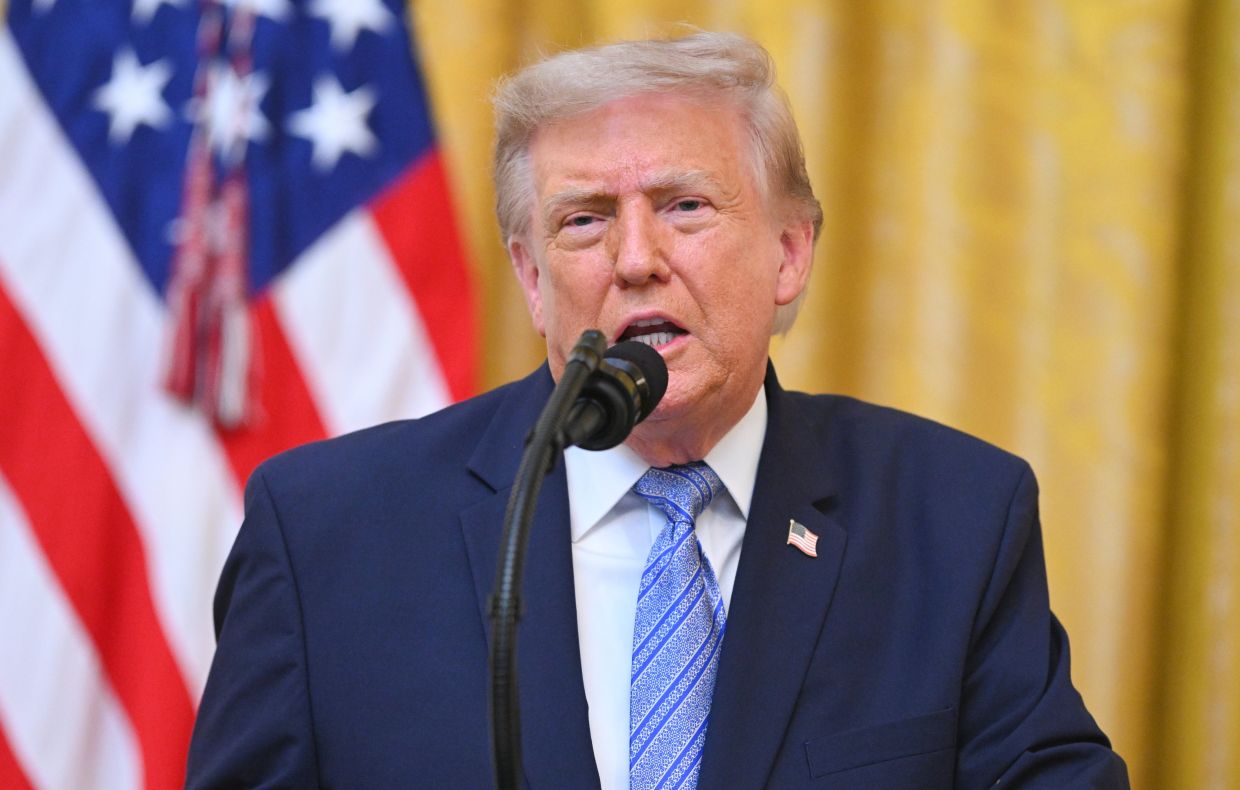
President Trump delivered one of his second term's most confrontational addresses from the White House, weaving together accusations of Chinese election interference with calls for sweeping domestic voting reforms, while also issuing thinly veiled threats against American media outlets. The speech underscored deepening tensions between Washington and Beijing over alleged interference operations, even as the administration prepares for midterm elections and seeks to reshape election administration across the country.
At the centre of Trump's remarks was an assertion that China orchestrated what he characterised as the "largest compromise of election data in history", a claim the president presented as a matter of urgent national security requiring immediate governmental response. Rather than treating the alleged breach as an isolated incident, Trump framed the data compromise as part of a broader coordinated campaign by Beijing to undermine American democratic processes and destabilise the political order. The severity with which he presented this allegation appeared designed to mobilise public concern and justify more assertive postures toward Chinese interests across multiple policy domains.
Beyond allegations of data theft, Trump extended his accusations to suggest that China had conducted a sustained influence operation against American elites. He claimed Beijing had worked deliberately to sway US business leaders and members of the media establishment, encouraging them to "turn against" his administration and undermine presidential authority. This characterisation frames the alleged interference not merely as technical or electoral in nature, but as an information warfare campaign targeting the ideological commitment of influential Americans to the current government, reflecting broader anxieties within the administration about soft power and narrative control.
Trump alleged that China's election interference represented not a haphazard or opportunistic endeavour, but rather a systemic and specifically targeted operation designed to ensure his political defeat during his first term. By connecting these allegations to his own electoral survival, the president positioned himself as a primary target of foreign interference and implicitly suggested that his political adversaries may have benefited from or been complicit in Chinese operations. This framing carries significant implications for how Americans interpret election outcomes and the extent to which foreign interference narratives may dominate political discourse heading into the midterm campaign.
The address pivoted substantially toward domestic electoral reform, with Trump emphasising the necessity for "free and fair elections" ahead of this year's midterm contests. He reiterated longstanding concerns about systemic vulnerabilities in American voting infrastructure and returned repeatedly to allegations of past electoral fraud, concerns that have remained central to his political messaging since the 2020 presidential election. Rather than presenting these as separate concerns, Trump linked domestic fraud vulnerabilities with foreign interference threats, arguing that both represented existential challenges to electoral legitimacy.
Specific policy proposals featured prominently in the president's remarks, particularly voter identification requirements and proof of citizenship mandates, legislative ideas closely associated with the SAVE America Act. These reforms align with Republican efforts across multiple states to tighten ballot access requirements, though critics contend such measures could suppress turnout among certain demographic groups. Trump's renewed advocacy for these changes signals his intention to make election administration and voting access central campaign issues for the midterm elections, potentially shaping how Republican candidates approach electoral policy at state and federal levels.
Beyond the narrower focus on election administration, Trump used the address to signal a broader strategic recalibration toward China, declaring an end to what he termed "complacency" in US-China relations. He positioned his administration's approach as historically consequential, suggesting that the coming period would mark a fundamental shift in how America manages its relationship with Beijing across diplomatic, economic, and security domains. This rhetorical framing suggests the president intends China policy to constitute a defining feature of his second term governance and electoral messaging.
The address also reflected simmering tensions with Iran, though these received less detailed treatment than either the China allegations or election reform proposals. The inclusion of Iran alongside China and domestic electoral concerns suggests the administration views these issues as interconnected elements of a broader security and political challenge, though the specific nature of these connections remained somewhat underdeveloped in the president's remarks.
In a striking coda to his remarks, Trump turned his attention toward American media institutions, warning that he was considering revoking the broadcast licences of ABC and NBC television networks. This threat, presented with apparent seriousness, reflects sustained tensions between the Trump administration and major news organisations, and raises significant concerns about press freedom and the politicisation of regulatory authority over media companies. For Malaysian observers accustomed to different media regulatory environments, such threats from a sitting US president underscore the contentious state of American political discourse and the vulnerability of institutions that depend on government licensing authority.
The confluence of foreign interference allegations, election reform demands, and media regulatory threats in a single address reveals the administration's intention to prosecute multiple political battles simultaneously heading into the midterm contests. For Southeast Asian analysts watching American politics, the speech demonstrates how electoral cycles in Washington can amplify geopolitical tensions with major powers like China while simultaneously raising internal governance questions about ballot access, media freedom, and institutional oversight. The outcome of these contests and the policies that follow will likely reverberate through regional dynamics, particularly given America's strategic interests throughout Southeast Asia and its ongoing competition with Chinese influence in the region.

