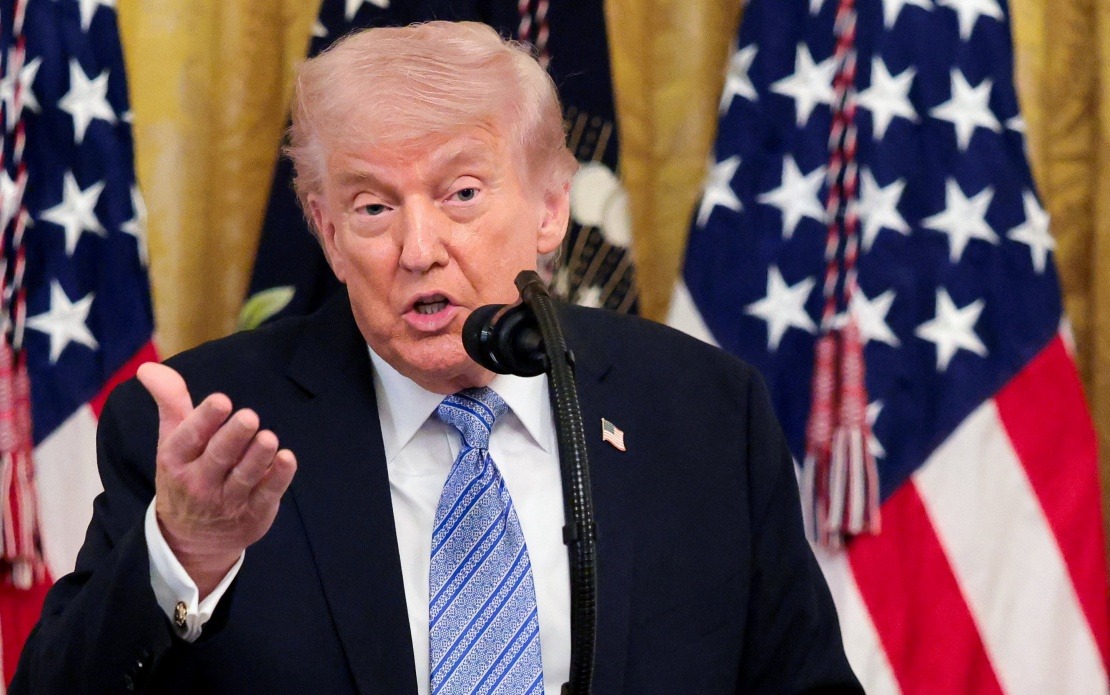
President Donald Trump has declared an abrupt halt to all diplomatic engagement with Iran, announcing via his Truth Social platform that no discussions are currently occurring or have been arranged with the Islamic Republic. The announcement marks a significant reversal from recent weeks when administration officials had indicated that communication channels between Washington and Tehran remained unusually active. Simultaneously, Trump reiterated that the United States is maintaining its full naval blockade in the Strait of Hormuz, a critical shipping lane through which roughly one-third of global seaborne oil passes, underscoring the strategic significance of American military posturing in the region.
The decision to terminate talks comes despite reports from within the Trump administration just days earlier that communications with Iran had reached unprecedented levels of intensity. Senior envoys including Vice President JD Vance, Middle East envoy Steve Witkoff, and senior adviser Jared Kushner had reportedly been engaged in back-channel discussions with Tehran officials. Kushner, who was in Israel on Monday meeting with Prime Minister Benjamin Netanyahu to discuss regional security matters including the Gaza Strip situation, had told Fox News that messaging between Washington and Tehran had become "more robust" than at any previous point, suggesting a potential diplomatic opening.
CNN reported that Trump directly instructed his negotiating team to cease all contact with Iranian representatives, following what officials described as some "positive discussions" with Tehran counterparts. This intervention appears to have halted momentum that had been building over recent months. The strategic pivot reflects what administration insiders have characterized as a shift from an approach focused on swift punitive measures against Iran toward a longer-term containment strategy designed to economically and diplomatically isolate the Islamic Republic over an extended period.
The current hostilities between the United States and Iran represent an escalation from agreements reached just months earlier. In April, the two nations had concluded a ceasefire arrangement, which was followed in June by a memorandum of understanding that both sides publicly committed to ending military conflict and establishing a durable peace framework. However, that diplomatic progress crumbled last month when hostilities resumed, with Iran and the United States exchanging strikes for nearly two weeks before Trump unexpectedly ordered a halt to further American attacks, ostensibly to preserve opportunities for reviving negotiations.
For Malaysian policymakers and businesses, Trump's hardened stance toward Iran carries significant implications for regional stability and economic activity. The Strait of Hormuz represents a vital artery for energy supplies flowing toward Asian markets, with Malaysia itself dependent on reliable passage through these waters. Any escalation of military tensions or disruption to shipping through the strait could drive crude oil prices higher, increasing energy costs across Southeast Asia and potentially destabilizing the region's economic growth trajectory. Malaysia, as a major trading nation and energy consumer, has vested interests in preventing further deterioration of US-Iran relations.
The Trump administration's decision also reflects internal debates within Washington regarding optimal strategy toward Iran. The shift from immediate confrontation to longer-term pressure represents a tactical recalibration rather than abandonment of adversarial posturing. Officials have indicated that rather than pursuing rapid military solutions or near-term diplomatic breakthroughs, the administration now favours sustained economic pressure, military containment, and selective diplomatic isolation designed to constrain Iranian influence over years rather than months. This approach requires maintaining allied cooperation and sustained military presence in the Persian Gulf region.
The role of Jared Kushner in these developments warrants attention, particularly given his previous involvement in Middle East diplomacy during Trump's first administration. His concurrent engagement with both Iranian intermediaries and Israeli leadership suggests ongoing efforts to coordinate regional responses to Iranian activity, though Trump's latest directive effectively subordinates these diplomatic channels to the broader strategic objective of pressure and containment. The fact that positive discussions had occurred before being terminated indicates that opportunities for de-escalation do exist but remain hostage to Trump's strategic preferences and domestic political calculations.
The reinstatement of full naval blockade procedures in the Strait of Hormuz demonstrates that military means will remain the primary instrument of American policy toward Iran under the current administration. Trump's assertion that all water mines have been removed or detonated and that the strait remains operationally open appears designed to project confidence in American military capabilities while reassuring global energy markets. However, the maintenance of this blockade risks further alienating Iran and reducing incentives for resumption of negotiations in the near term.
For Southeast Asian nations including Malaysia, this diplomatic reversal underscores the importance of diversifying energy sources, strengthening relationships with multiple global powers, and avoiding excessive alignment with American containment strategies that could provoke Iranian retaliation. The region's shared interests in maintaining freedom of navigation and stable energy supplies must be balanced against the risks of being drawn into great power rivalries. As Trump's Iran policy continues to evolve, Malaysia and neighbouring countries should carefully monitor developments while pursuing independent diplomatic channels that protect regional interests and promote stability across the broader Indian Ocean and Persian Gulf region.

