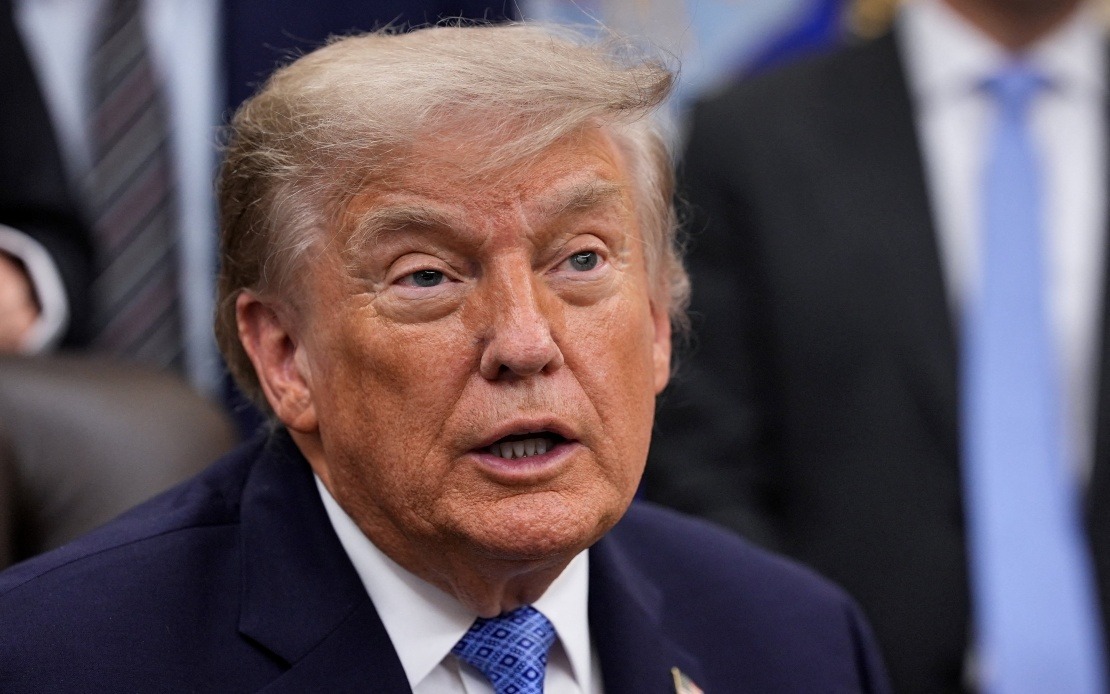
US President Donald Trump announced late Tuesday that he is deferring a planned 50 per cent tariff on Canadian goods for a three-day period, stepping back from a deadline that would have seen the duties take effect the following morning. The move came after intensive negotiations with Canadian Prime Minister Mark Carney, who had been pushing to avert tariffs affecting approximately C$30 billion (US$22 billion) in Canadian exports to the United States. Trump disclosed the pause through his Truth Social platform, indicating that both nations have substantially agreed on the terms of a trade arrangement, contingent on finalising the necessary documentation.
The tariff pause represents a significant de-escalation in trade tensions between the two neighbouring countries, which have grown increasingly strained under Trump's protectionist trade agenda. The 50 per cent duty would have represented one of the steepest tariff rates imposed by Washington on any trading partner and would have created immediate pressure on Canadian exporters spanning multiple sectors. By granting a three-day window, Trump has provided negotiators from both sides with a defined timeframe to complete outstanding details and lock in the agreement, transforming what appeared to be an imminent trade conflict into an opportunity for resolution.
Canadian Prime Minister Mark Carney's direct engagement with Trump proved instrumental in preventing the tariff implementation. The phone conversation between the two leaders on Tuesday demonstrated the diplomatic channels remain active and responsive to urgent trade matters. Carney's government had been mobilising responses to the threatened tariffs, which would have rippled across Canada's resource extraction, manufacturing, and agricultural sectors. The successful communication appears to have convinced Trump that sufficient progress had been made to warrant postponement rather than proceeding with the punitive measures.
Trump's statement hinted at broader strategic dimensions underlying the trade negotiations. He suggested that the emerging agreement could facilitate the revival of the Keystone XL pipeline, the controversial cross-border energy infrastructure project that was cancelled during the Biden administration. This reference indicates that energy cooperation and cross-border infrastructure development form part of the negotiating package, extending beyond tariff reduction to encompass infrastructure and natural resource trade. The pipeline's resurrection would represent a major policy reversal with significant implications for Canadian energy exports and US energy security.
The Keystone XL project had been a flashpoint in North American energy politics for over a decade. Biden's cancellation of the pipeline project shortly after taking office was celebrated by environmental advocates but criticized by Canadian officials and energy sector interests as economically damaging. Trump's willingness to revisit the project as part of trade negotiations signals his administration's different approach to continental energy policy and infrastructure development. For Canada, pipeline approval would provide alternative export routes for Alberta's crude oil and reduce transportation costs, while for the United States, it would increase accessible energy supplies from a stable, allied source.
The three-day pause creates a compressed negotiating window with significant stakes for both nations. During this period, government teams must resolve remaining technical and procedural matters to produce a final agreement text acceptable to both sides. Any failure to reach closure within the timeframe would likely trigger the tariffs as originally scheduled, making the negotiations inherently high-pressure. The specificity of the three-day deadline suggests Trump is imposing a firm timeline to accelerate completion rather than allowing negotiations to drift indefinitely.
For Malaysia and other Southeast Asian economies, the Trump administration's tariff approach carries important implications. The successful negotiation with Canada, if concluded, would demonstrate that the administration is willing to negotiate and compromise on tariff threats rather than implementing them automatically. This could influence how other trading partners approach negotiations with Washington and whether diplomatic engagement can successfully forestall threatened measures. However, the very threat of 50 per cent tariffs illustrates the unpredictability and aggressive posture that now characterises US trade policy under Trump's leadership.
The broader context reveals that Trump's trade strategy emphasises bilateral negotiations over multilateral frameworks. The focus on resolving differences through direct country-to-country discussions, rather than through established trade organisations or frameworks, reshapes how nations must engage with Washington. For regional players, this suggests the need to develop stronger bilateral relationships with the United States and to be prepared for direct negotiation scenarios rather than relying on collective or institutionalised approaches to trade disputes.
Canadian businesses and workers have been monitoring developments closely, given the immediate impact tariffs would have on their export competitiveness and employment. A successful resolution would alleviate uncertainty that has been weighing on investment decisions and hiring plans. Conversely, the broader message that tariff threats remain an active tool in Trump's diplomatic arsenal suggests that Canadian firms must remain attentive to shifts in US trade policy and maintain flexibility in their supply chain and market strategies.
The pause also reflects the economic interdependence binding the United States and Canada. Trade between the two nations exceeds US$600 billion annually, making them each other's largest trading partners in goods. This deep integration creates mutual incentives to avoid damaging trade conflicts, as tariffs would impose costs on both economies. American consumers, farmers, and manufacturers relying on Canadian inputs would face price pressures and supply disruptions, creating domestic political pressure on the Trump administration to resolve disputes.
Looking ahead, the success or failure of these three-day negotiations will shape expectations for future US trade disputes. A successful conclusion would vindicate the tariff-as-negotiating-leverage strategy, encouraging Trump to employ similar tactics with other nations. Conversely, if negotiations collapse and tariffs proceed, it would signal that Trump's threats are credible and that his administration is willing to absorb the economic costs of protectionist measures. Either outcome carries significance for regional economies assessing their own vulnerability to US trade actions and determining appropriate strategic responses to Washington's evolving trade posture.

