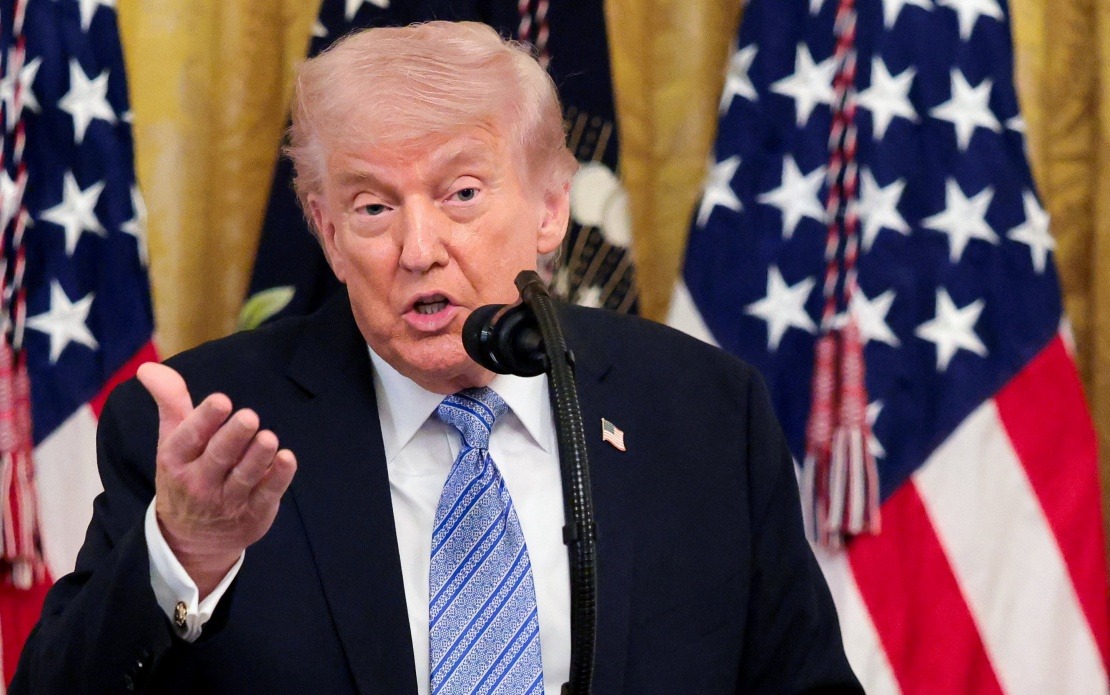
United States President Donald Trump on Monday announced he had completed a successful telephone discussion with Andy Burnham, the newly appointed Prime Minister of Britain, signalling early alignment between Washington and London as both nations chart their diplomatic course. Trump shared news of the call through his Truth Social platform, characterising the exchange as productive and indicating a readiness to develop the bilateral relationship further.
The conversation between the two leaders touched on a notably broad spectrum of topics, reflecting the depth of Anglo-American engagement across multiple policy domains. Among the subjects covered were North Sea oil resources, bilateral trade arrangements, the transatlantic military partnership, and the technically complex matter of demining operations in the Hormuz Strait. This range of discussion points underscores how contemporary great-power relationships now span traditional defence matters and extend into energy security, commercial interests, and maritime logistics.
Trump's characterisation of the call as "very good" and "interesting" carries symbolic weight in the early days of Burnham's premiership. The new British leader inherits one of the most substantial bilateral relationships in the Western alliance, one that encompasses shared intelligence operations, joint military exercises, coordinated approaches to emerging security threats, and deep commercial ties. A positive early exchange with the American president sets a constructive tone for the months ahead, particularly as both governments navigate shifts in their respective political landscapes.
The mention of North Sea oil suggests ongoing American interest in European energy security and supply diversification. This topic takes on particular significance given persistent global energy market volatility and Western efforts to reduce dependency on potentially unreliable sources. For Malaysia and Southeast Asian observers, such discussions highlight how developed nations continuously calibrate their energy strategies and the importance of stable, predictable resource markets.
The military alliance referenced by Trump encompasses NATO commitments, intelligence sharing through the Five Eyes partnership, and operational cooperation across multiple theatres. Britain's role as a bridge between North American and European defence structures makes it invaluable to American strategic calculations. Meanwhile, discussions about Hormuz Strait demining reflect concerns about freedom of navigation and maritime security in regions critical to global commerce, issues that resonate deeply with Southeast Asia given this region's position along vital shipping lanes.
Trade negotiations between Washington and London have assumed heightened importance following Britain's departure from the European Union. The bilateral commercial relationship now operates outside the broader EU framework, creating both opportunities for tailored agreements and complexities around market access and regulatory harmonisation. Trump's mention of trade discussions suggests the US administration views a strong economic partnership with Britain as integral to its broader strategic positioning in Europe.
The stated intention to meet "in the not too distant future" indicates planning for a formal bilateral summit, which would typically occur at either leader's capital or at an international gathering such as the UN General Assembly or NATO summit. Such meetings establish the personal rapport necessary for navigating complex international issues and demonstrate to domestic audiences that their leader commands respect on the world stage.
For regional analysts, the Trump-Burnham exchange exemplifies how leadership transitions in major Western capitals can recalibrate diplomatic priorities and bilateral relationships. The swift positive engagement suggests both leaders recognise the enduring importance of the US-UK partnership despite potential differences in policy emphases or domestic political circumstances. This stability in core Western alliances has ripple effects across global security architecture, including arrangements affecting Southeast Asia's security environment and trade relationships.
Burnham's elevation to Prime Minister represents a significant political moment in Britain, and establishing working relationships with major allies quickly becomes part of the integration process for new heads of government. Trump's willingness to engage constructively and publicly praise the interaction sends signals to markets, to Congress, and to international partners about American diplomatic intentions. For Malaysian stakeholders watching Anglo-American relations, such exchanges provide insight into how major powers prioritise their partnerships and what issues command their immediate attention in an increasingly complex geopolitical environment.

