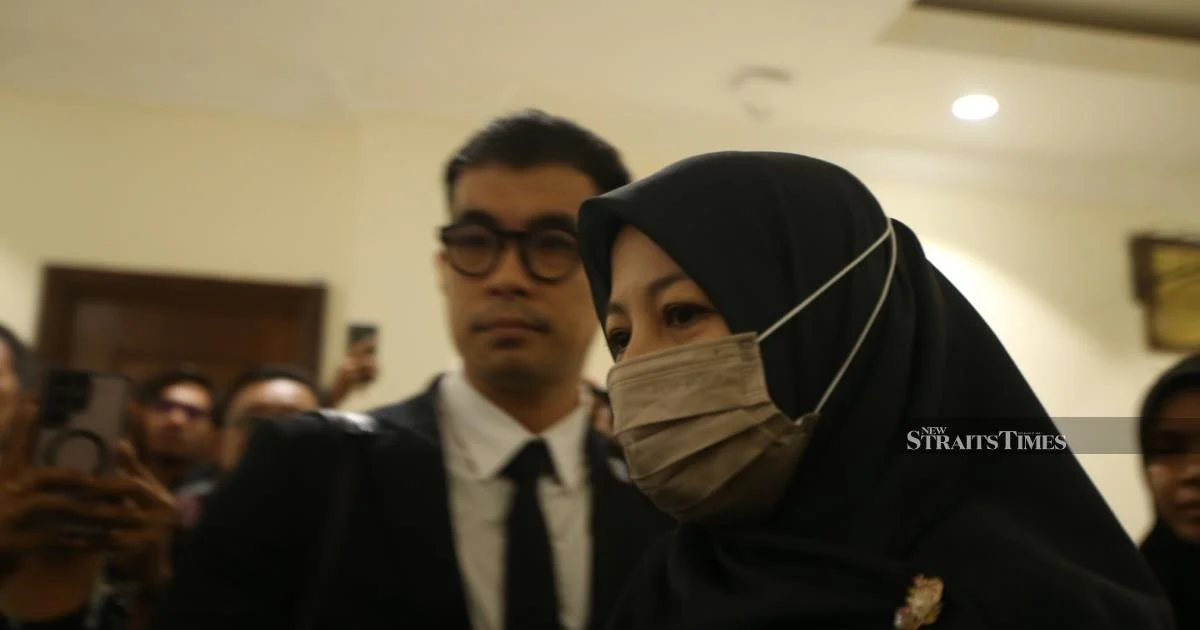
The coroner's court in Kota Kinabalu heard emotional testimony this week when Noraidah Lamat revealed she harbours profound regret over her decision to enrol her daughter at SMKA Tun Datu Mustapha. The late Zara Qairinah Mahathir's mother spoke candidly about her choice, a statement that underscores the profound grief and second-guessing that often accompanies the loss of a child in circumstances that raise questions about institutional responsibility.
The inquest proceedings have brought the case of the deceased student into public scrutiny, examining the circumstances surrounding her death and the decisions that led to her attendance at the Sabah-based school. Such coroner's inquiries serve a critical function in Malaysia's legal system, allowing families to seek answers and courts to establish findings of fact that may inform recommendations for systemic improvements.
Parental decisions about education carry immense weight, particularly when children attend residential or boarding institutions away from family oversight. The choice of secondary school often reflects parents' hopes for their children's academic advancement and social development, yet such decisions can become sources of profound anguish when tragedy occurs. Noraidah's testimony speaks to the vulnerability of families navigating the education system and the lasting impact of choices made with the best of intentions but which, in retrospect, become sources of deep regret.
SMAK Tun Datu Mustapha holds significant standing in Sabah's educational landscape as a specialised secondary school. The institution serves students across the state and beyond, attracting families who believe the school offers enhanced academic opportunities and discipline. However, the circumstances leading to the inquest raise important questions about the duty of care owed by educational institutions to their students, particularly those in boarding arrangements who are separated from parental supervision during critical formative years.
The coroner's court process allows for detailed examination of events leading to a student's death, including the school's protocols, supervision practices, and any contributing factors. Such inquiries, while difficult for grieving families, serve the broader public interest by identifying gaps in safeguarding procedures that might protect future students. The testimony of parents like Noraidah becomes part of the evidentiary record that informs the coroner's findings and recommendations.
In Malaysia's education system, parental trust in schools is foundational. Families make significant sacrifices to send children to particular institutions, often based on institutional reputation, academic track records, and perceived quality of pastoral care. When tragic incidents occur, the rupture of that trust can be devastating. The mother's regret, while deeply personal, also reflects a broader social conversation about what families can reasonably expect from schools regarding student welfare and safety.
The testimony emerging from coroner's proceedings like this one often influences policy discussions within the education ministry and among school administrators. Recommendations from inquests have historically prompted schools to review supervision protocols, enhance mental health support, improve accommodation safety standards, and strengthen communication channels between institutions and parents. Each finding contributes to incremental improvements in how Malaysian schools approach duty of care.
For other families with children at boarding schools across Malaysia and the region, such cases prompt difficult reflection on institutional safeguards and the degree of visibility parents maintain into their children's daily experiences. Modern communication technology has improved parental oversight, yet physical distance remains a reality for many families whose children attend premier or specialised institutions far from home. These circumstances create an inherent tension between the independence education is meant to foster and the protection children require.
The road through a coroner's court is rarely sought by families; rather, it is a consequence of circumstances demanding public and legal scrutiny. Noraidah's willingness to testify about her regrets, painful as such admissions must be, contributes to the public record and may influence how institutions approach student welfare going forward. Her words in court represent not just personal grief but a voice advocating for clarity about what happened and, implicitly, what safeguards might have prevented tragedy.
The inquest process in Malaysia, overseen by judicial officers with investigative powers, creates space for facts to emerge that might otherwise remain obscured. Institutional records, witness testimony, and expert findings combine to create a comprehensive picture of events. Families often approach these proceedings seeking both understanding and accountability—answers to the question of how their child came to harm while under institutional care.
Zara's case has become part of Sabah's recent history, a reminder of the vulnerability of young people and the weight of decisions made on their behalf. As the coroner's court continues its work, the implications for SMKA Tun Datu Mustapha and other educational institutions remain significant. Whether the findings will prompt legislative change, policy reform, or enhanced procedural safeguards remains to be seen, but Noraidah's testimony ensures her daughter's death will not pass without examination and, potentially, without impact on future institutional practices across Malaysia's education sector.

