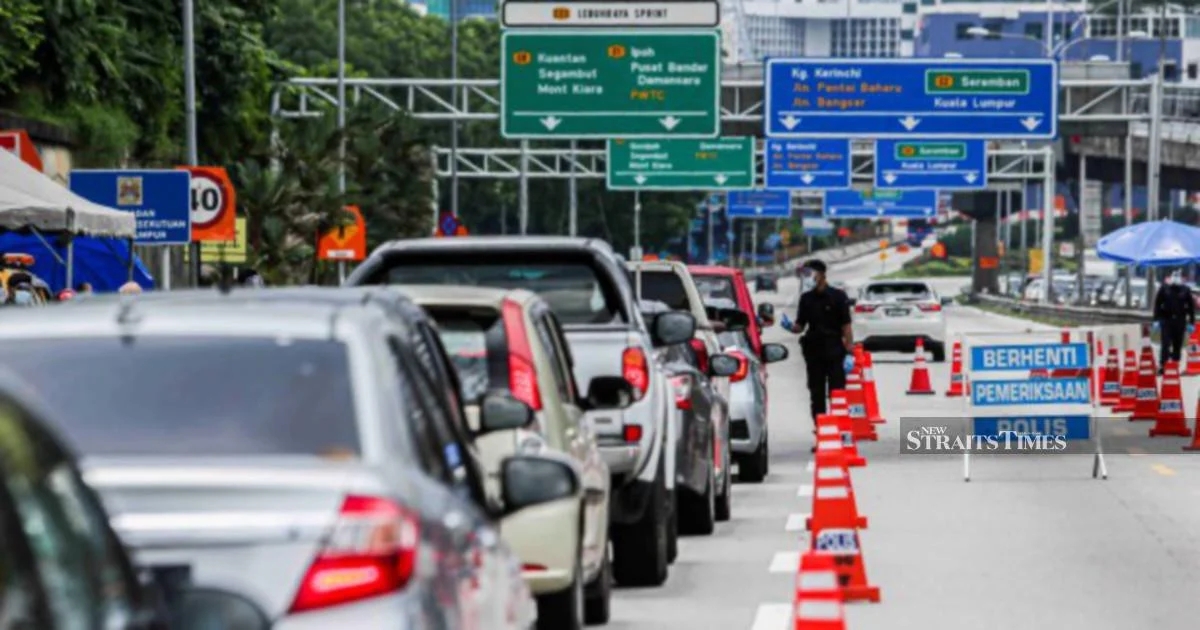
Malaysian motorists face a significant increase in traffic penalties if parliamentary amendments to the Road Transport Act 1987 proceed as anticipated, with maximum compound rates for over 700 distinct road offences climbing to RM500. The proposed reforms, which require legislative approval, represent a substantial tightening of the country's traffic enforcement framework and signal the government's intensified focus on road safety compliance through financial deterrence.
The current penalty structure for traffic violations has remained largely unchanged for years, with compound rates failing to keep pace with inflation and modern vehicle valuations. By substantially raising the financial consequences of traffic breaches, policymakers aim to create a more proportionate deterrent effect on motorists. The RM500 cap would apply to a broad spectrum of driving infractions, ranging from technical breaches to serious violations that directly compromise road safety. This blanket approach streamlines enforcement procedures but also raises questions about whether a uniform maximum truly reflects the varying severity of different traffic offences.
The proposed amendments specifically target the Road Transport Act 1987, the primary legislation governing transportation in Malaysia. This statute has weathered numerous amendments since its enactment but has struggled to maintain relevance amid evolving driving patterns, expanding vehicle ownership, and changing road conditions. The latest proposed revisions address inflation-adjusted penalties, which authorities argue have become insufficiently deterrent in an economy where vehicle ownership costs and maintenance expenses have risen dramatically over the past decade.
For Malaysian drivers, the implementation of these changes would mark a tangible increase in the cost of non-compliance. A driver previously facing a RM250 compound for a moderate traffic violation might now encounter a RM500 penalty—a doubling that would prompt reconsideration among budget-conscious commuters. Regular commuters in congested areas like Kuala Lumpur, Selangor, and Penang would face substantially higher financial exposure should they accumulate multiple violations throughout a year. The cumulative financial impact on motorists who frequently transgress traffic regulations could transform routine fines from minor inconveniences into significant household expenses.
The timing of these amendments reflects ongoing concerns about road safety across Malaysia. The country consistently reports high rates of fatal traffic accidents and injuries relative to its motorized population, factors that have prompted transport authorities to pursue enforcement-based interventions alongside infrastructure improvements. Proponents argue that higher penalties serve as psychological deterrents, shifting driver behaviour toward greater caution and compliance. However, critics contend that financial penalties alone address symptoms rather than root causes, which encompass inadequate driver training, poor road design, and insufficient law enforcement presence on highways and urban roads.
From a revenue perspective, increased compound amounts will expand the funds collected through traffic enforcement mechanisms. These revenues typically support road maintenance, safety initiatives, and enforcement operations. The Malaysian government has consistently viewed traffic penalties as both behaviour-modification tools and legitimate revenue sources, though the balance between these objectives occasionally generates public debate. Stakeholders question whether penalty increases genuinely discourage violations or simply extract greater sums from motorists without improving traffic discipline.
The amendments would affect diverse categories of traffic offences currently enumerated across Act 333. Minor infractions involving improper parking, seatbelt violations, and equipment defects would face identical maximum penalties to more serious breaches such as dangerous driving or failing to render assistance following an accident. This standardization may prove administratively convenient for enforcement authorities but potentially creates equitable concerns when applied to violations of vastly different severity and impact.
Southeast Asian nations have pursued varied approaches to traffic penalty reform. Singapore maintains notably higher penalties for driving infractions, supported by rigorous enforcement infrastructure. Thailand and Indonesia employ different penalty schedules reflecting local economic conditions and enforcement priorities. The Malaysian government's proposed increase positions the country alongside more stringent regional frameworks, potentially influencing cross-border driver behaviour and comparative travel costs throughout Southeast Asia.
Public acceptance of penalty increases typically depends on perceived fairness and demonstrated enforcement commitment. Motorists more readily accept higher fines when they observe consistent application and recognize that authorities prioritize serious safety violations alongside technical breaches. Conversely, selective enforcement that targets minor offences whilst overlooking egregious violations generates resentment and undermines compliance. The success of these amendments therefore depends partly on how consistently and equitably the revised penalty structure is administered across Malaysia's diverse driving environments.
Parliamentary passage remains uncertain, as lawmakers must balance public opinion, enforcement practicality, and road safety objectives. Some legislators may advocate for graduated penalty structures that reflect offence severity, whilst others prioritize simpler frameworks that facilitate enforcement administration. The final form of amendments, should they advance, may incorporate compromises that modify the proposed RM500 maximum or introduce category-specific penalties that differentiate among violation types.
Implementation timelines also remain unclear, with the government typically allowing enforcement agencies lead time to recalibrate systems, retrain personnel, and communicate changes to the driving public. Malaysian motorists should monitor parliamentary proceedings and transport ministry announcements for clarity on pending changes, as the effective date and specific offence classifications affected will substantially influence personal financial planning and driving conduct.