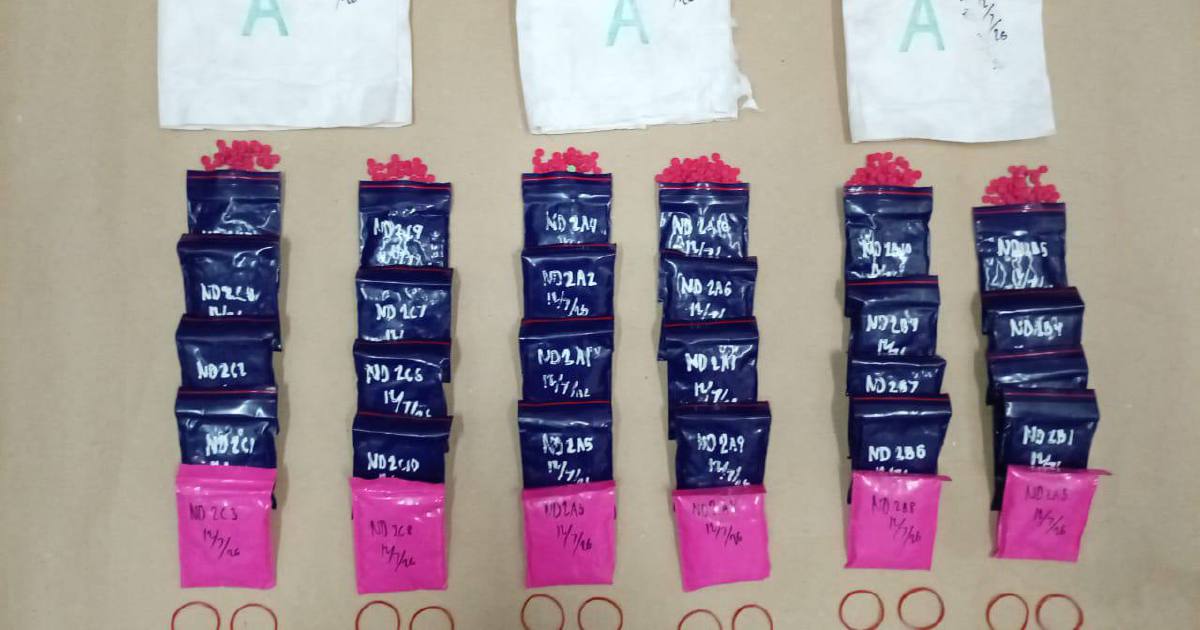
A 35-year-old tow truck operator became the subject of a major drug seizure in Kelantan yesterday when law enforcement officials uncovered a substantial cache of methamphetamine pills hidden within a vehicle on Jalan Kubang Batang near Wakaf Bharu. The discovery of 6,000 yaba tablets, with an estimated street value exceeding RM60,000, marks another significant development in the ongoing battle against synthetic drug trafficking along Malaysia's east coast.
The arrest underscores a troubling pattern whereby individuals in transport-related occupations have increasingly featured in narcotics enforcement operations. The tow truck sector, which operates largely outside the conventional regulatory frameworks applied to licensed public transport, presents vulnerabilities that criminal networks exploit for moving contraband across state lines and between urban centres. The mobility inherent to such work—frequent travel along highways and inter-state routes—creates natural cover for drug distribution operations.
Yaba, a tablet form of methamphetamine combined with caffeine and other stimulants, remains one of Southeast Asia's most persistent drug threats. Originally manufactured in clandestine laboratories in Myanmar's border regions and Thailand, yaba has penetrated Malaysian markets through established smuggling corridors that funnel products southward from production hubs in the Golden Triangle. The consistent price point of approximately RM10 per pill reflects both market standardisation and the substance's addictive properties, which drive sustained demand among vulnerable user populations.
Kelantan's position as a northern border state makes it a natural transit zone for transnational drug flows. The porous terrain, extensive coastline, and established trading networks with southern Thailand create multiple entry points for trafficking operations. Local enforcement agencies have intensified operations in recent months, yet seizures of this magnitude suggest supply chains remain active and well-resourced. The operation that led to yesterday's arrest likely involved intelligence gathering or random checks at checkpoints, typical methods employed when authorities lack specific intelligence regarding trafficking movements.
The circumstances surrounding the vehicle—its location, whether it was stationary or moving, and how enforcement officials became aware of its contents—remain undisclosed in initial reports. Such operational details often determine whether charges proceed under trafficking provisions, which carry mandatory minimum sentences, or under possession statutes offering greater sentencing discretion. For a 35-year-old suspect, the implications are severe regardless of the legal threshold ultimately applied.
Yaba consumption patterns in Malaysia reflect broader regional trends toward stimulant abuse. Unlike heroin, which maintained dominance through the 1990s and early 2000s, methamphetamine products appeal to younger demographics and those engaged in occupations requiring extended work hours. Construction workers, lorry drivers, and other transport sector employees constitute a significant portion of users, partly explaining why individuals in such professions frequently appear in drug law enforcement statistics. The substance's stimulant properties create a vicious cycle of dependence alongside criminal involvement.
The supply chain economics merit examination. A RM60,000 wholesale shipment represents significant capital investment by trafficking organisations, suggesting this operation formed part of a larger distribution network rather than isolated activity by a lone operator. The decision to transport such quantities through Kelantan implies established downstream markets capable of absorbing this volume, likely concentrated in urban centres along the west coast such as Kuala Lumpur, Selangor, and Penang.
From a public health perspective, yaba's prevalence strains rehabilitation infrastructure already stretched by opioid addiction cases. Treatment facilities report increasing proportions of methamphetamine-related admissions, yet therapeutic protocols remain less developed compared to opioid addiction treatment pathways. The stimulant's neurological effects—including psychosis, severe anxiety, and violent behaviour—complicate rehabilitation outcomes and present elevated risks during withdrawal phases.
The arrest illustrates ongoing resource allocation challenges for Malaysian enforcement agencies. While interdiction efforts yield periodic high-profile seizures, the underlying supply dynamics—driven by production capacity in source countries and demand within consumer markets—remain largely unchanged by law enforcement actions targeting distribution networks. Sustainable reduction requires comprehensive approaches addressing both supply-side interdiction and demand-side interventions through treatment access and community prevention programmes.
For the suspect and his alleged accomplices, the investigation trajectory will likely involve interrogation focused on identifying his suppliers, downstream distributors, and the specific origins of this particular shipment. Such intelligence can inform broader anti-trafficking strategies, though individual prosecutions alone rarely disrupt large-scale operations. The case underscores Kelantan's continued significance within Malaysia's narcotics landscape and the ongoing vigilance required from enforcement authorities tasked with protecting border regions from transnational criminal networks.

