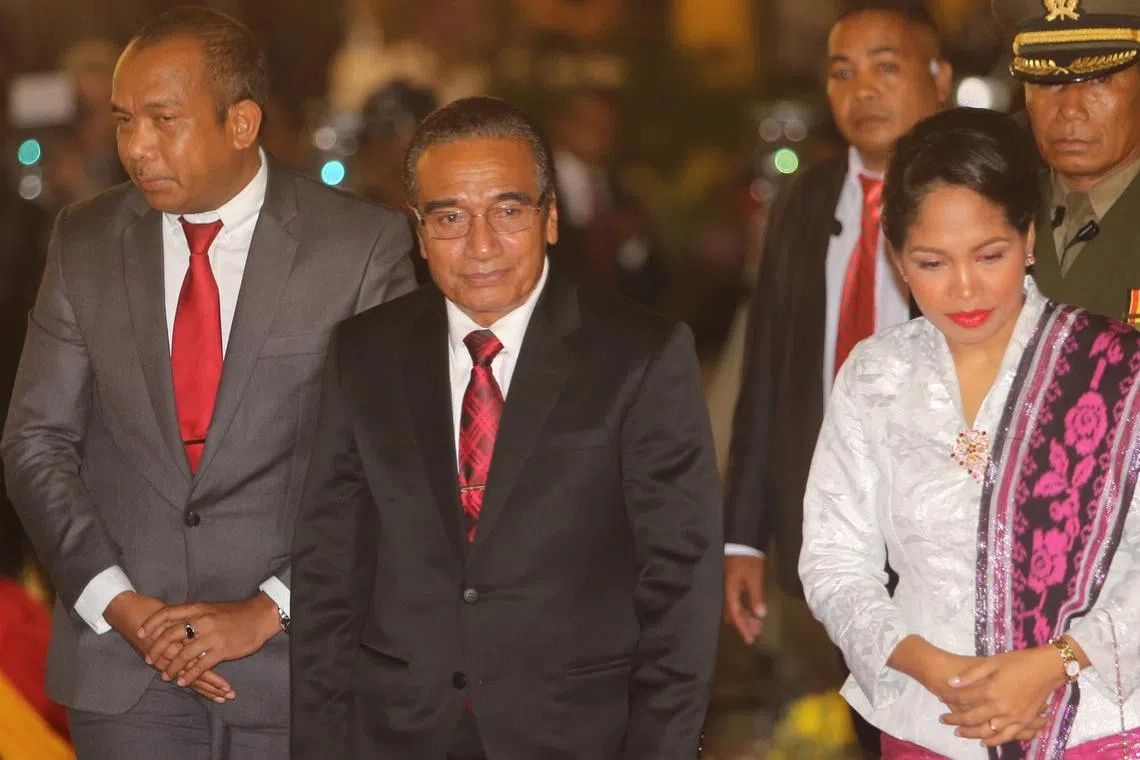
Timor-Leste has entered a period of national mourning following the death of former president Francisco "Lu-Olo" Guterres, who passed away at a Malaysian hospital over the weekend at the age of 71. The government officially declared a week of mourning on June 22, recognising the passing of one of the Southeast Asian nation's most revered political figures and independence heroes. Flags across public buildings, including diplomatic missions abroad, have been lowered to half-mast as the country honours the memory of a man who dedicated more than four decades to the pursuit of Timorese self-determination and democratic governance.
Guterres leaves behind a remarkable legacy spanning the nation's most transformative period. Born into humble circumstances, he rose through the ranks of Timor-Leste's liberation movement during Indonesia's brutal 24-year occupation, which concluded with independence in 2002. His journey from guerrilla fighter to statesman exemplifies the struggle of an entire generation that sacrificed personal ambitions to free their homeland from foreign rule. The transition from clandestine resistance leader to elected official reflected not only his personal evolution but also the maturation of Timorese democracy itself, making his death a poignant moment for national reflection.
Guterres's electoral triumph in 2017 represented the culmination of his political trajectory when he secured the presidency with more than 57 percent of the popular vote, becoming the nation's sixth president. His five-year tenure from 2017 to 2022 was marked by efforts to consolidate democratic institutions and address the legacies of occupation. However, his bid for reelection in 2022 ended in a runoff defeat against Nobel laureate Jose Ramos-Horta, who now serves as president. Despite the electoral setback, Guterres remained a deeply respected figure, and his peaceful acceptance of the result reinforced the democratic principles for which he had fought during the independence struggle.
Ramos-Horta issued a statement honouring his former rival, describing Guterres as a "great patriot" and characterising his death as "a great loss for the nation." The current president's gracious tribute underscores the unity that transcends electoral competition in Timorese political culture, where shared commitment to independence and national sovereignty creates common ground even among political opponents. The government extended formal condolences to Guterres's family, the Revolutionary Front for an Independent East Timor (Fretilin) party that he led, and the broader Timorese population, acknowledging the profound impact of his absence.
Guterres's family has requested privacy during this period of grief, appealing to supporters and the nation to respect their need for space as they mourn. In a statement released to the public, the family expressed gratitude for the tributes paid to their beloved patriarch while asking citizens to join them in prayer and reflection on his memory, his contributions to the Timorese people, and his enduring legacy of dedication to national independence and democratic principles. The dignified tone of the family's request has resonated with the broader Timorese population, many of whom grew up under his leadership during the struggle for freedom.
Guterres's body is expected to return to Dili on Tuesday, according to his brother Domingos Guterres, who informed reporters that funeral arrangements are still being finalised. The timing of the repatriation reflects the family's desire to allow Timorese citizens the opportunity to pay their respects and to ensure that final honours are conducted in the capital. The funeral is anticipated to be a major national event, drawing thousands of mourners and likely attracting regional and international figures who worked with Guterres during his presidency and independence struggle.
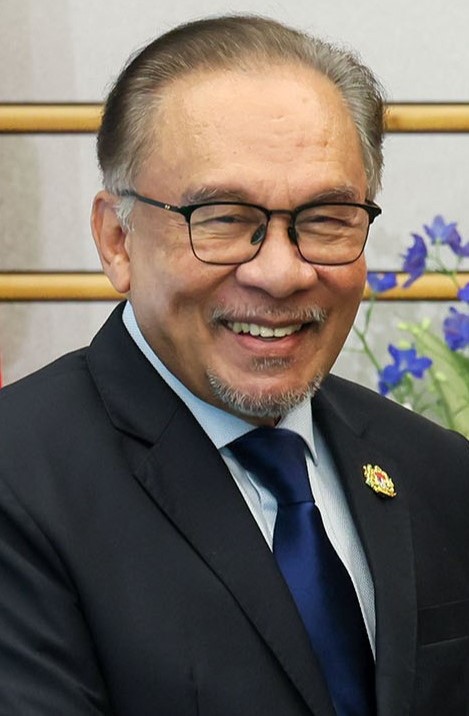
Malaysia's connection to Guterres became particularly significant in his final days, as the former president was receiving medical treatment at a Malaysian hospital when he passed away. Prime Minister Datuk Seri Anwar Ibrahim issued a statement expressing sadness at the news and extending Malaysia's condolences to Guterres's family and the Timorese nation. Anwar emphasised that "Malaysia mourns his passing alongside the Timorese people" and pledged that Guterres would be "remembered here with respect and affection," highlighting the warmth of diplomatic relations between the two Southeast Asian neighbours and Malaysia's appreciation for Guterres's contributions to regional development and cooperation.
The mourning period serves as an opportunity for Timor-Leste to reflect on the generation of leaders who brought the nation from occupation to independence and democratic statehood. Guterres's role in this transformation cannot be overstated; he was present at nearly every critical juncture in the modern Timorese story, from underground resistance fighter to elected head of state. His passing marks the end of an era characterised by direct personal leadership from those who had fought in the independence struggle, prompting questions about how future generations will carry forward the vision and values for which that struggle was waged.
Beyond Timor-Leste's borders, Guterres's death resonates with Southeast Asian observers who recognise the historical significance of his life and work. The transformation of a liberation fighter into a democratic leader remains relatively uncommon in the region, making his political journey noteworthy. His commitment to institutional democracy even after losing reelection demonstrated a mature understanding of constitutional governance, qualities that have become increasingly important as the region grapples with questions about democratic resilience and the peaceful transfer of power between rival political factions.
The week of official mourning provides space for Timorese citizens to process the loss of a figure who, while no longer in formal office, remained a symbol of national identity and independence. Public tributes, state ceremonies, and private remembrances will undoubtedly feature stories of personal encounters with Guterres, narratives of his role in specific liberation struggles, and reflections on how his leadership shaped the nation's early years as an independent state. These collective memories will form part of Timor-Leste's historical record and national consciousness for generations to come.