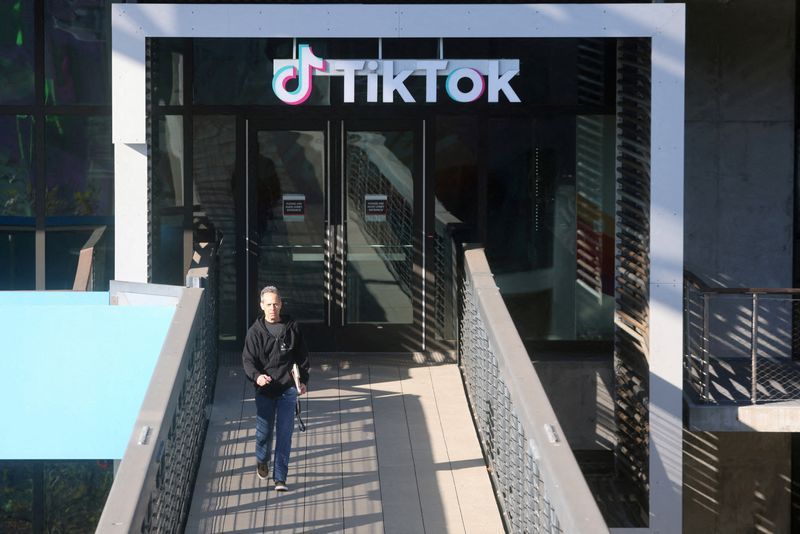
TikTok has agreed to settle a case brought by a teenager who claimed the platform caused significant damage to his mental health, marking another legal milestone for the Chinese-owned company as it faces mounting pressure from lawmakers and civil society groups concerned about youth wellbeing. According to Morgan & Morgan, the law firm representing the plaintiff, the settlement has been reached in principle, though final terms remain under negotiation and have not yet been publicly disclosed. The outcome demonstrates the growing legal vulnerability facing major social media companies as they confront an expanding wave of litigation centred on their platforms' effects on young users.
The case originated with a 15-year-old Floridian identified in court documents as R.K.C., who filed suit against four major platforms simultaneously: YouTube, Instagram, Snapchat, and TikTok. The plaintiff's allegations outline a familiar pattern of harm increasingly documented in youth mental health research: he began using social media at approximately eight years old and subsequently developed what he characterised as an addiction to the platforms. Court filings detail his descent into sleep deprivation, depression, and anxiety disorders that he attributed directly to excessive engagement with social media content and algorithmic features designed to maximise user engagement. The breadth of the original lawsuit underscores a key argument made by mental health advocates and researchers: that the problem is systemic across the social media industry rather than isolated to any single platform.
The timing of TikTok's settlement is strategically significant. YouTube, which faced identical allegations in the same case, reached its own settlement in June, just weeks before TikTok agreed to settle. This sequential resolution pattern suggests that platforms may be calculating the costs of protracted litigation against the reputational damage and legal expenses involved in defending these cases. For TikTok specifically, the settlement arrives amid an intensifying geopolitical backdrop, with the company facing calls for a ban or forced sale in the United States and increased scrutiny internationally, including in Southeast Asia and Europe. Any settlement that reduces negative publicity and demonstrates corporate responsibility may be viewed as beneficial to the company's long-term prospects, even if the financial terms remain confidential.
The settlement precedes what legal observers expect to be the second major trial in California state court examining social media's culpability in the youth mental health crisis. Instagram and Snapchat remain scheduled for trial in July, meaning that despite TikTok and YouTube's withdrawals from the courtroom contest, the litigation will continue against two other major players. This staggered approach—where some defendants settle while others proceed to trial—often reflects divergent risk calculations and insurance coverage considerations. The fact that Instagram and Snapchat have not followed suit suggests their legal teams may believe they have stronger defences or that settlement offers were deemed inadequate relative to potential trial outcomes.
The case highlights deepening concerns about how algorithmic recommendation systems and engagement-maximisation features on social media platforms may contribute to mental health deterioration in adolescents. This particular lawsuit focuses on individual liability claims, but the broader societal concerns extend far beyond any single plaintiff. Research from institutions across North America and Europe has identified correlations between heavy social media use and rising rates of depression, anxiety, and suicidal ideation among teenagers, though causality remains debated within the scientific community. Malaysian parents and educators should note that these platforms are ubiquitous among Southeast Asian youth, and the mental health impacts documented in American cases likely reflect challenges affecting young people in Malaysia and the region as well.
The legal strategy employed in this case—naming multiple defendants simultaneously and pursuing both settlement negotiations and trial preparation in parallel—has proven effective for plaintiff attorneys seeking leverage. By demonstrating willingness to proceed to trial while remaining open to settlement discussions, legal representatives create pressure on corporations to resolve matters before juries render verdicts that might establish unfavourable legal precedents or result in large damage awards. The confidential nature of most social media settlements means the public rarely learns the financial terms, making it difficult to assess whether these agreements represent meaningful accountability or merely cost-effective ways for platforms to avoid negative publicity.
For Malaysian stakeholders, including parents, policymakers, and child welfare advocates, this case and others like it internationally are informing discussions about digital safety regulation. The Malaysian government and regional bodies such as the ASEAN Secretariat have been developing frameworks for digital protection, and evidence from major litigation in Western jurisdictions frequently informs these policy deliberations. The outcome of the remaining trials involving Instagram and Snapchat in July will provide additional data points about judicial receptiveness to social media harm arguments and may influence how Malaysian regulators approach platform accountability.
The settlement also reflects a broader realignment in how technology companies are being held accountable for user-generated harms. Unlike earlier decades when tech companies successfully argued they were merely neutral platforms, courts are increasingly willing to examine the role of algorithmic design choices and engagement mechanisms in facilitating addiction-like behaviours. This philosophical shift has profound implications for how platforms operate globally, including in Southeast Asia, where regulatory frameworks are still evolving.
As these cases continue to unfold, the fundamental question remains unresolved: should social media companies bear legal responsibility for mental health outcomes affecting young users, or do parents and other social institutions bear primary responsibility for managing youth digital consumption? The settlement pattern emerging from American courts suggests that companies find it increasingly prudent to settle rather than defend these claims vigorously, even if they believe their legal positions are defensible. This pragmatic approach may ultimately prove more consequential than any individual jury verdict in reshaping how platforms operate and how regulators worldwide, including in Malaysia, approach digital youth protection.

