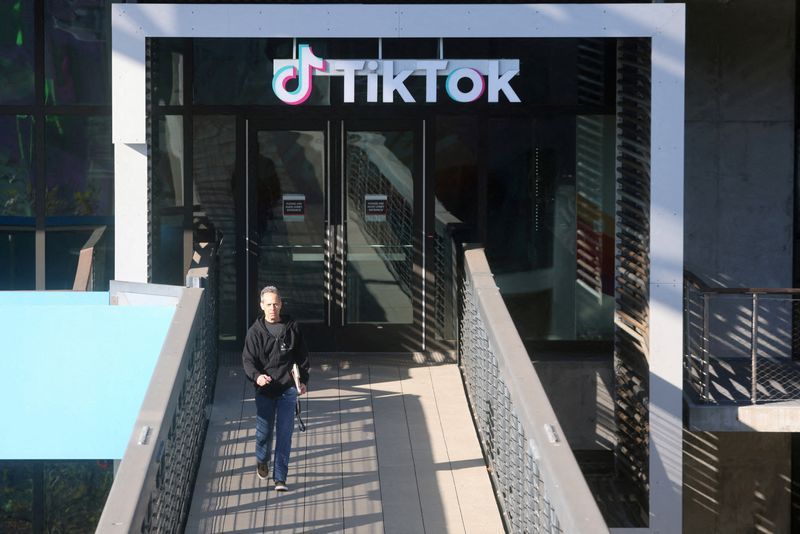
TikTok has moved to resolve a significant lawsuit brought by a 15-year-old Florida resident who alleged the short-video platform deliberately engineered its features to trap young users and harm their psychological wellbeing. According to Morgan & Morgan, the law firm representing the plaintiff identified only as R.K.C., both parties have reached a settlement in principle, though the final contractual terms remain under negotiation. The ByteDance-owned company has not yet provided public comment on the agreement, which represents another retreat by a major social media operator facing mounting legal pressure over youth mental health impacts.
The plaintiff's case illustrates a troubling pattern emerging among early digital natives. R.K.C. first accessed social media platforms at approximately eight years old and gradually developed what he characterized as a compulsive dependency, experiencing sleep disruption, depressive episodes, and anxiety symptoms he attributed directly to the platforms' design mechanisms. His original lawsuit named four defendants—Google's YouTube, Meta's Instagram, Snapchat, and TikTok—but YouTube already reached its own settlement in June before proceeding to trial. This sequential withdrawal of defendants underscores the legal and reputational risks these companies now face in defending their business models.
The settlement emerges amid a transformed legal landscape where TikTok's decision to exit follows earlier precedent. In the first California state court trial, which concluded in March, both TikTok and Snapchat chose settlement over courtroom adjudication in a case involving a woman who became dependent on these platforms during childhood. Meta and Google, conversely, proceeded to trial and faced adverse jury verdicts. The panel determined Meta bore negligence responsibility, awarding the plaintiff $4.2 million in damages, while Google was ordered to pay $1.8 million. When Meta and Google subsequently petitioned the judge to overturn these verdicts, the court refused their motion in June, effectively cementing the jury's findings and establishing troubling precedent for defendants.
The volume of pending litigation demonstrates that these cases represent systemic challenges rather than isolated disputes. California state courts currently manage over 3,300 active lawsuits accusing social media firms of fostering addiction among young users. This number pales against the 2,600 additional cases filed in federal court by individual plaintiffs, educational institutions, municipal governments, and state authorities. The sheer caseload has begun overwhelming the judicial system and forcing companies toward settlement negotiations rather than protracted litigation that could produce unfavorable verdicts affecting thousands of related claims.
Federal court proceedings have similarly concluded with industry defeats and massive financial settlements. In Kentucky, a school district initiated federal litigation against Meta, Snapchat, TikTok, and YouTube, and all four defendants moved to settle rather than face trial. The combined settlement payment of $27 million represents both an acknowledgment of legal vulnerability and a recognition that trial outcomes increasingly favour plaintiffs' narratives about platform design deliberately maximizing engagement at the expense of child development.
The expansion of litigation extends far beyond California's courts. Nearly every American state has filed independent lawsuits within their own jurisdictions, with allegations that social media corporations misrepresented the safety characteristics of their platforms and intentionally constructed addictive features targeting minors. These state-level actions create a fragmented but overwhelming legal assault, forcing companies to manage multiple simultaneous proceedings across different courts, judges, and jurisdictions simultaneously. The cumulative effect drives settlement preferences even among defendants confident in individual litigation outcomes.
While social media companies uniformly deny these allegations and maintain they implement substantial protective safeguards for younger users, their behaviour in settling cases before trial suggests internal assessments about litigation risk exceed their confidence in legal defenses. The pattern of settlement intensifies after the jury verdict established Meta and Google's liability, indicating that initial courtroom loss served as a cautionary signal to remaining defendants about the perils of proceeding to verdict.
For Malaysian and Southeast Asian observers, these American legal developments carry significant implications. TikTok operates across the region with substantial youth adoption, and the growing body of evidence regarding addictive platform design translates into potential regulatory pressure in ASEAN nations. Malaysia's own regulatory bodies may face mounting pressure from concerned parents and public health advocates demanding similar protections for young Malaysians, potentially through statutory frameworks mandating platform design modifications or requiring age-appropriate content barriers.
The settlement pattern also signals broader industry transformation. Companies once viewed as untouchable technology giants now face genuine financial exposure and reputational damage from youth mental health allegations. This shift suggests that future platform iterations may incorporate genuine protective mechanisms rather than superficial compliance features, though whether such changes emerge voluntarily or through legal compulsion remains unresolved. The financial settlements, while substantial, represent relatively minor operating costs for these corporations, potentially limiting behavioral change without additional regulatory intervention.
The TikTok settlement closes one chapter in extended legal disputes while opening questions about industry-wide standards. If settlements become the default outcome across pending cases, companies may view financial payments as merely incorporating lawsuit costs into business planning rather than fundamentally restructuring their engagement-maximization algorithms. Conversely, should damages awards continue increasing, industry economics may genuinely shift toward prioritizing user wellbeing over metric optimization, benefiting young users across all markets.

