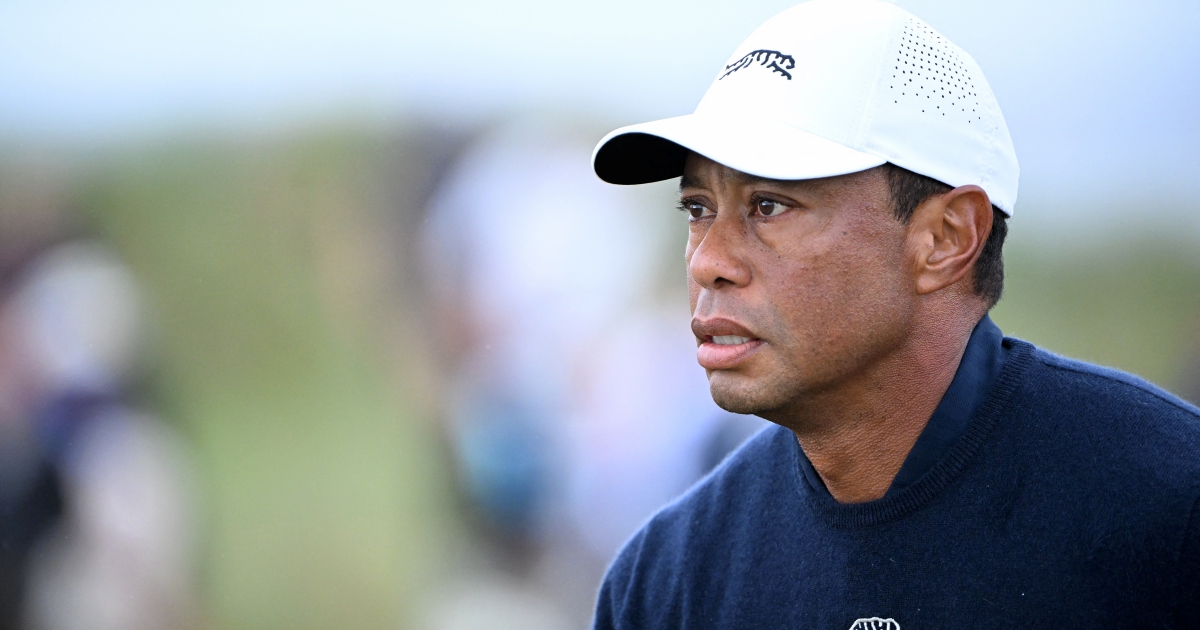
Golf's most decorated champion Tiger Woods faces a significant legal milestone as he prepares to appear personally before a Florida judge in connection with a driving under the influence allegation, marking his initial in-court presence since the vehicle incident that triggered the case on March 27. The hearing represents a pivotal moment in Woods' ongoing legal proceedings, coming after a series of adjournments that had kept the golfer from entering the courtroom throughout the preceding months.
The March 27 incident that precipitated the DUI charge has cast a lengthy shadow over Woods' life and career. The car accident itself generated substantial international attention given Woods' prominence as one of professional golf's most recognized figures and a global sports icon whose impact extends far beyond the fairways. The circumstances surrounding the collision have remained a subject of public and media scrutiny throughout the intervening period.
Multiple scheduling delays have characterized the judicial process to date. Each postponement extended the timeline for Woods' personal appearance, allowing additional time for legal strategy discussions and potential negotiations between defence counsel and prosecutors. These delays, common in high-profile cases where extensive preliminary work requires completion before trial proceedings commence, have kept the matter in legal limbo for months.
The transition from virtual or remote proceedings to an in-person appearance represents a significant procedural shift. Throughout preceding court dates, Woods had managed to avoid direct appearance, with his legal team securing alternatives to physical courtroom presence. This upcoming appearance will place the golf legend directly before judicial authority in a traditional adversarial setting where his demeanor and engagement with the legal process become personally observable.
For Woods, whose professional reputation has endured numerous challenges throughout a storied but complicated career, this courtroom moment carries substantial implications. The golfer's personal credibility and public standing remain closely intertwined with how he navigates this legal challenge. The appearance itself, regardless of ultimate case resolution, will generate renewed media coverage and public commentary about his current life circumstances and future trajectory.
The DUI charge carries potential consequences ranging from fines and license suspension to more serious penalties depending on the evidence presented and judicial discretion. Florida's traffic and impaired driving statutes provide prosecutors with considerable prosecutorial discretion in pursuing charges and negotiating potential settlements. The specific factual circumstances of the March 27 incident—including blood alcohol concentration measurements, field sobriety testing results, and witness accounts—will prove determinative in establishing guilt or innocence.
Woods' legal strategy has presumably evolved through preliminary discovery processes and discussions with prosecution authorities. Defence counsel typically utilizes the period between arrest and trial appearance to examine evidence thoroughly, identify potential legal vulnerabilities in the prosecution's case, and evaluate opportunities for plea negotiations or alternative resolution mechanisms. The upcoming appearance may accelerate discussions toward potential case disposition rather than proceeding toward trial.
For Malaysian and Southeast Asian golf enthusiasts, Woods' legal situation represents a sobering reminder of the universal consequences that fame and celebrity status cannot ameliorate. The golf legend's struggles with personal challenges have been extensively documented across his career, yet this judicial proceeding underscores how legal systems apply equally across demographic lines. The case also highlights the serious nature of impaired driving statutes worldwide and the emphasis increasingly placed on traffic safety enforcement.
The intersection of high-profile athletics and the criminal justice system frequently generates broader societal conversations. Woods' case contributes to ongoing public discourse regarding substance abuse treatment, personal rehabilitation, and the pathways through which prominent figures address personal difficulties. His willingness or reluctance to seek professional intervention for underlying issues may influence public perception and media narrative development surrounding the case.
Media attention surrounding Woods' court appearance will undoubtedly intensify as the hearing date approaches. Golf publications, mainstream news outlets, and entertainment media entities will monitor the proceeding closely, with particular attention devoted to any statements from Woods or his legal representatives, judicial rulings on preliminary motions, and signals regarding potential case resolution. The courtroom appearance itself will provide the first public opportunity to observe Woods engaging directly with judicial processes since the incident occurred.

