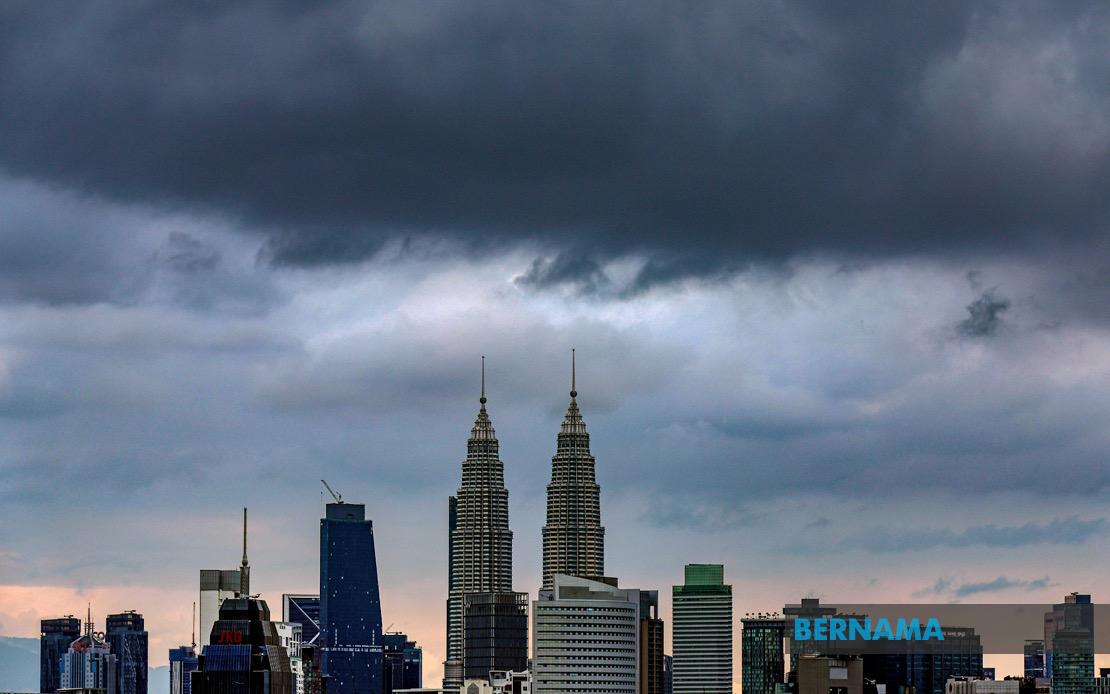
The Malaysian Meteorological Department has escalated its weather warnings for the Klang Valley and surrounding regions, alerting residents across Kuala Lumpur, Putrajaya and eight additional states to brace for intense thunderstorms, heavy rainfall and dangerous wind conditions through 3 pm today. The alert underscores the onset of the southwest monsoon season, a period when Malaysia routinely experiences volatile weather patterns that can disrupt daily activities and pose risks to public safety across the peninsula.
Kedah residents face particular vulnerability, with the meteorological authority specifically flagging districts including Yan, Pendang, Kuala Muda, Sik, Baling, Kulim and Bandar Baharu as zones expecting severe downpours and electrical storms. The timing coincides with the height of the southwest monsoon when atmospheric instability across the region intensifies, creating the conditions for rapid cloud formation and violent weather systems to develop across the northern corridor.
In Perak, the warning encompasses the coastal and interior districts of Kerian and Larut, Matang and Selama, regions historically prone to flash flooding during heavy rainfall episodes. These areas, characterised by variable topography and river systems, experience heightened flood risk when concentrated precipitation falls rapidly over short periods, particularly in low-lying zones and areas with inadequate drainage infrastructure.
The entire state of Penang faces the forecast of severe conditions, a significant alert given the island's high population density and the potential for urban flash floods in congested commercial and residential zones. The weather situation carries particular implications for Penang's bustling port facilities and transport networks, which can experience operational disruptions when heavy rain and strong winds materialise simultaneously.
Selangor residents spanning multiple districts warrant heightened preparedness. The alert identifies Kuala Selangor, Klang, Gombak, Petaling, Kuala Langat, Hulu Langat and Sepang as being under the warning umbrella, encompassing both urban centres and rural peripheries. For the Klang Valley proper—encompassing Kuala Lumpur's metropolitan zones—the warning serves as a reminder of infrastructure vulnerabilities during monsoon downpours, when congested drainage systems and ageing stormwater management networks frequently struggle to cope with intense precipitation rates.
Southern regions also feature prominently in the meteorological advisory. Pahang's Rompin district, situated along the eastern seaboard, typically experiences monsoon effects first as weather systems move inland from the South China Sea. Negeri Sembilan's urban centre of Seremban alongside Port Dickson, Rembau and Tampin require preparation for potential flooding in low-lying sectors. Melaka, a historically flood-prone state during monsoon periods, faces renewed risk today with its vulnerable communities in the Batu Berendam and Kota district areas potentially affected.
Johor's southern districts of Tangkak, Segamat, Muar, Batu Pahat and Kluang also fall within the warning parameters, extending the affected zone to the peninsula's southern tip. These communities frequently experience monsoon-related disruptions to agriculture, transportation and commerce, with particular impacts on the region's rubber and palm oil operations when access roads become inundated or waterlogged.
The Malaysian Meteorological Department's issuance of such widespread warnings reflects sophisticated meteorological modelling and real-time atmospheric monitoring capabilities that enable forecasters to predict severe weather episodes with reasonable confidence. The coordination of alerts across multiple states demonstrates institutional coordination aimed at maximising public awareness and enabling preventive action before dangerous conditions materialise.
For citizens and businesses operating across the affected zones, the advisory necessitates practical precautions including securing loose outdoor items vulnerable to strong winds, ensuring drainage systems remain clear, and avoiding unnecessary travel through flood-prone routes during peak rainfall periods. Commuters should anticipate potential transportation delays as authorities implement traffic management measures in response to deteriorating road conditions and reduced visibility.
The duration of the warning until 3 pm suggests meteorologists anticipate a relatively contained weather event rather than a prolonged multi-day monsoon episode. However, residents should recognise that such timeframes represent forecasted peaks of intensity rather than absolute demarcations, with conditions potentially persisting or re-intensifying beyond the stated window depending on atmospheric developments throughout the afternoon.
State authorities and local government bodies across the affected regions have presumably been briefed on the meteorological alert and positioned resources accordingly, including deploying drainage maintenance teams, activating flood response protocols, and stationing emergency services in preparation for potential incidents. Such institutional preparedness, coordinated through the meteorological authority's guidance, provides essential infrastructure for minimising harm when severe weather inevitably strikes across the peninsula's densely populated regions.

